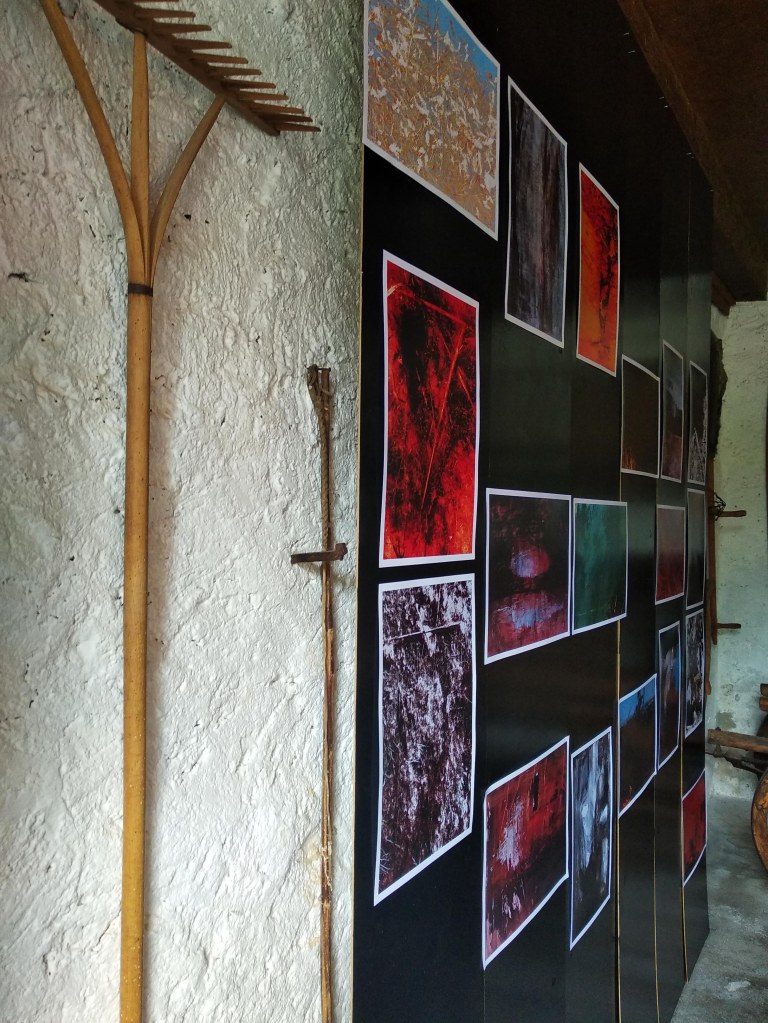
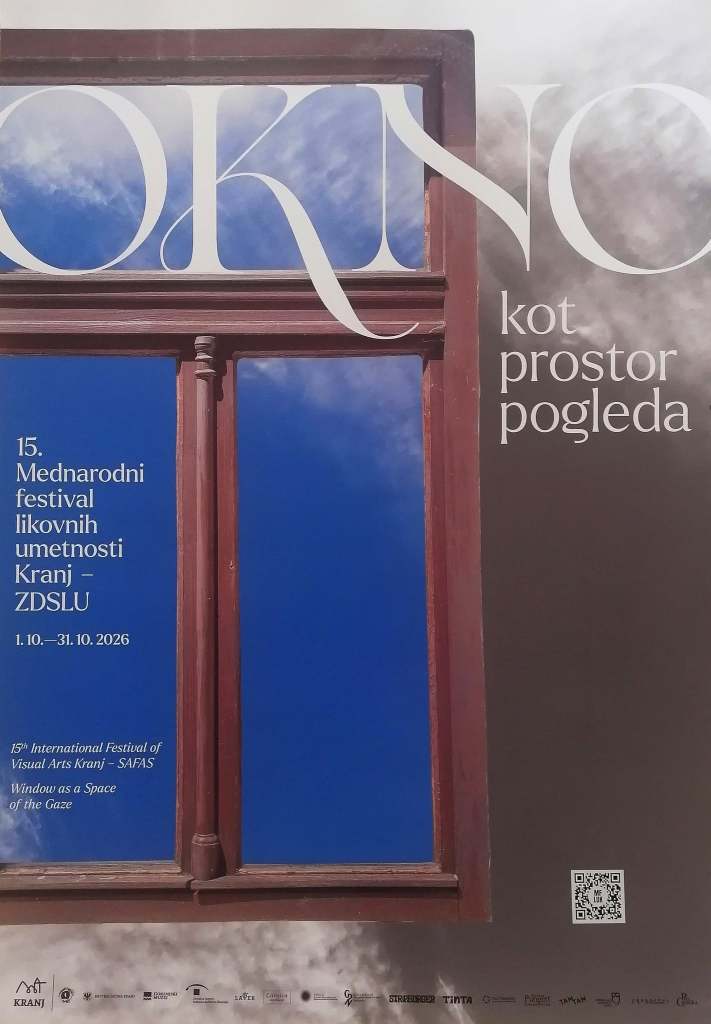
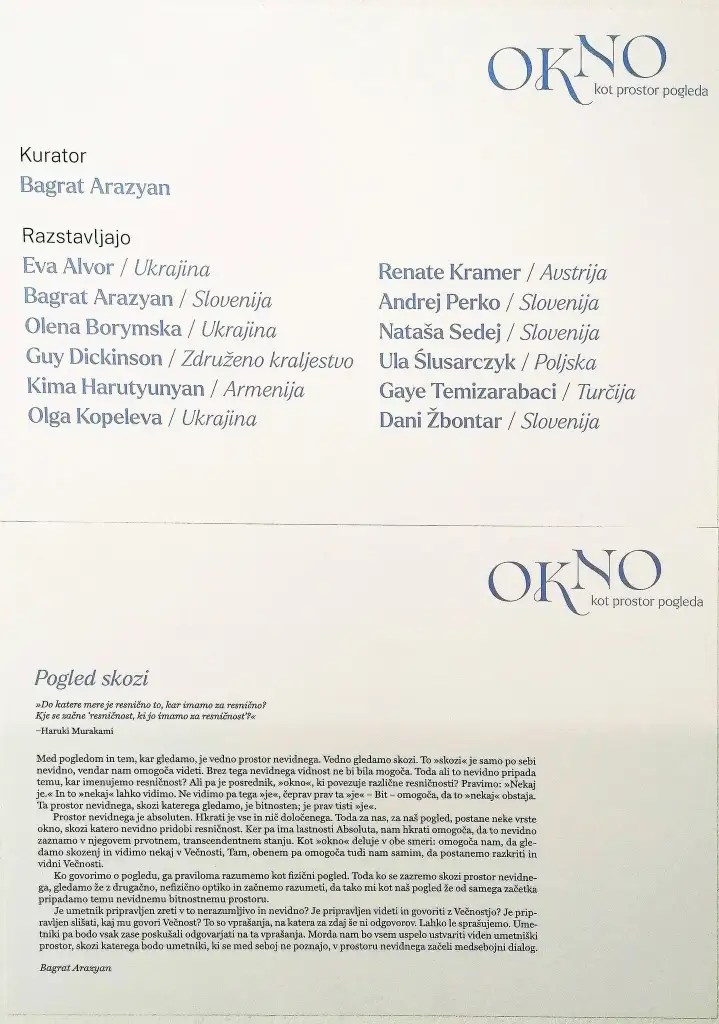
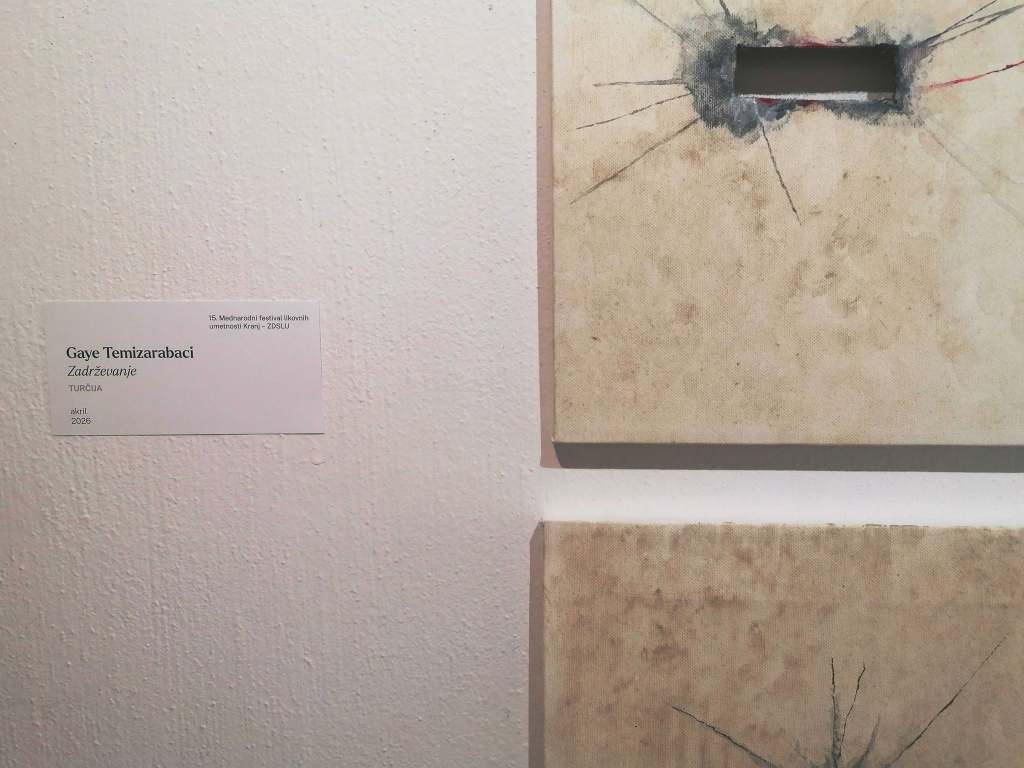
2026, The “Look Through” project, part of the 15th International Festival of Visual Arts (Artistic Director Martina Marenčič) in Kranj, Slovenia.
Curator: Bagrat Azaryan.
Between the act of contemplation and that which we contemplate, there always lies a space of the invisible. We are always looking through. This “through” is itself invisible, yet it is precisely what makes seeing possible. Without this invisible element, visibility would be unthinkable. But does this invisible realm belong to what we call reality? Or is it, perhaps, an intermediary—a kind of “window” connecting different realities? We say, “Something is.” And this “something” is what we can see.
Yet the “is” itself—Being itself—remains unseen, even though it is precisely what allows that “something” to exist. This space of the invisible, through which we gaze, is ontological; it is the “is” itself. The space of the invisible is absolute. It is simultaneously everything and, at the same time, nothing in particular. And yet, for us—for our gaze—it becomes a kind of window through which the invisible acquires reality. And because it possesses the attributes of the Absolute, it also enables us to perceive this invisible realm in its pristine, transcendent state.
As a “window,” it functions in both directions: it allows us to look through it and contemplate something within Eternity—Over There—while simultaneously rendering us, and our own gaze, open and visible to Eternity. When we speak of a “gaze,” we typically refer to the physical act of looking. But when we peer through the space of the invisible, we are employing a different, non-physical optics; we begin to realize that both we ourselves and our gaze fundamentally belong to this invisible, ontological space.
Is the artist prepared to peer into this unfathomable and invisible realm? Is he prepared to behold Eternity and engage in a dialogue with it? Is he prepared to hear what Eternity is saying to him? There are no answers to these questions—at least, not yet. We can only ponder them. Artists, each in their own way, will strive to find answers. Perhaps, together, we might succeed in creating a tangible artistic space—a sphere that enables artists, previously unknown to one another, to enter into a dialogue within the realm of the invisible.
Text by Bagrat Arazyan
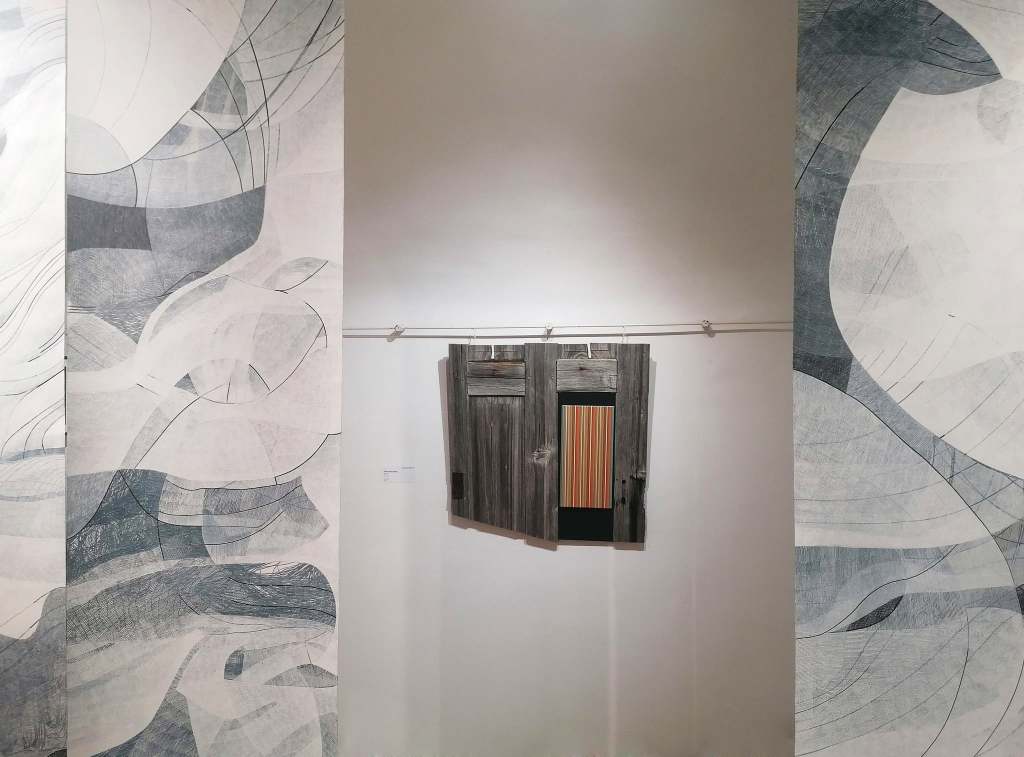
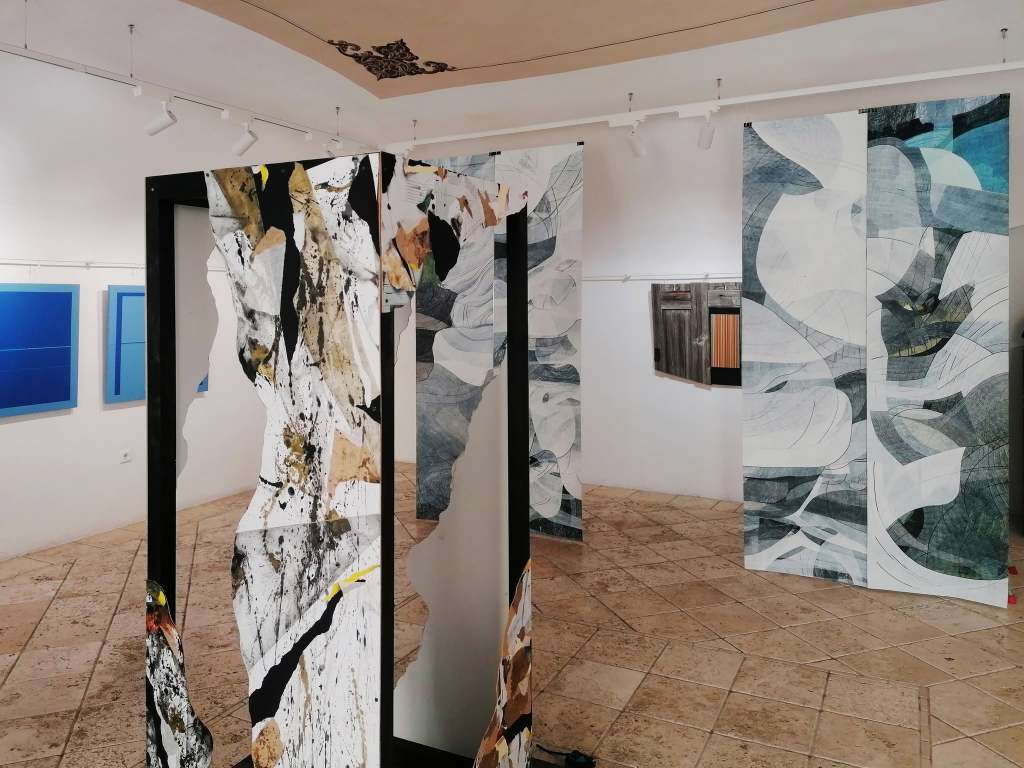
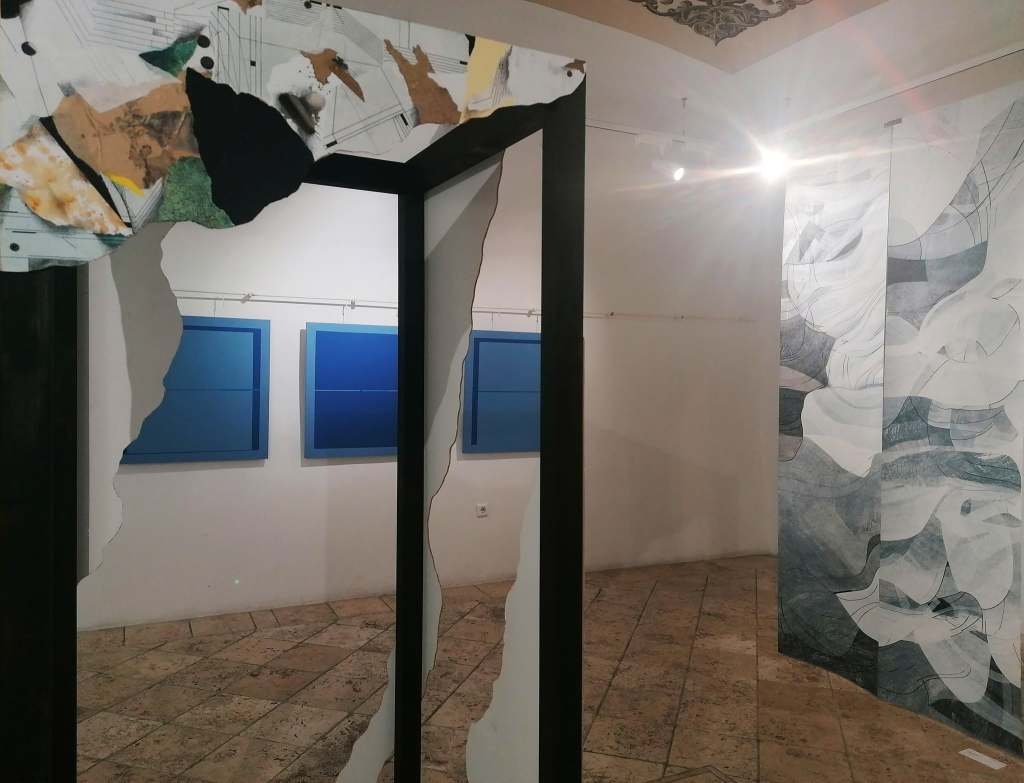
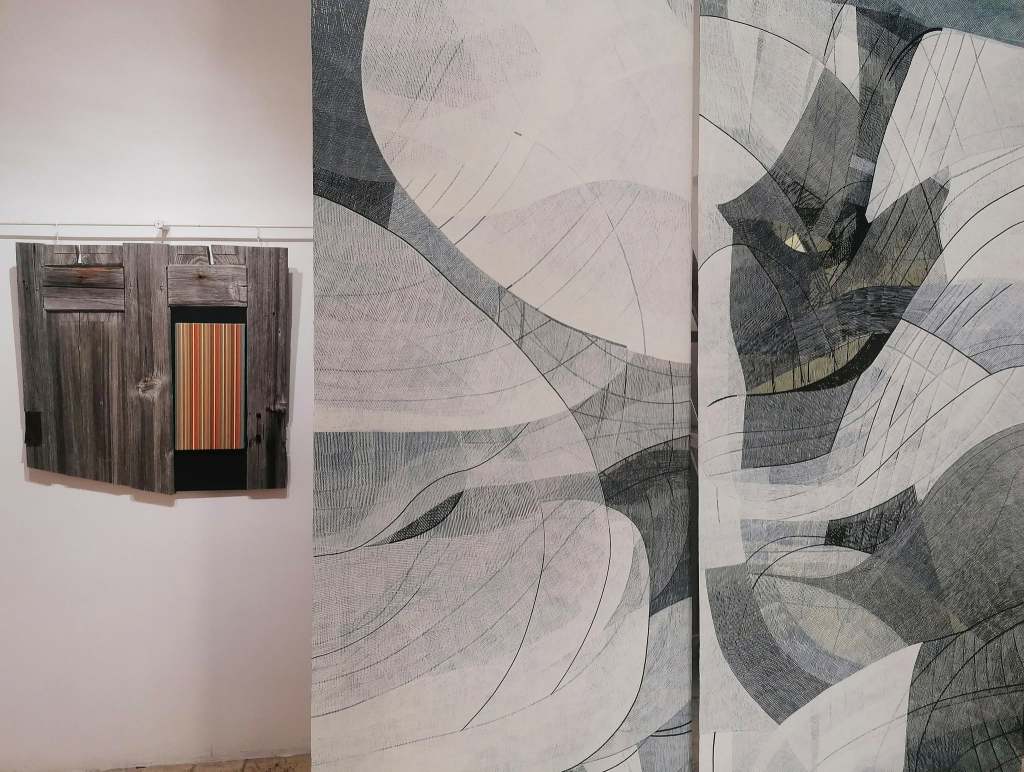
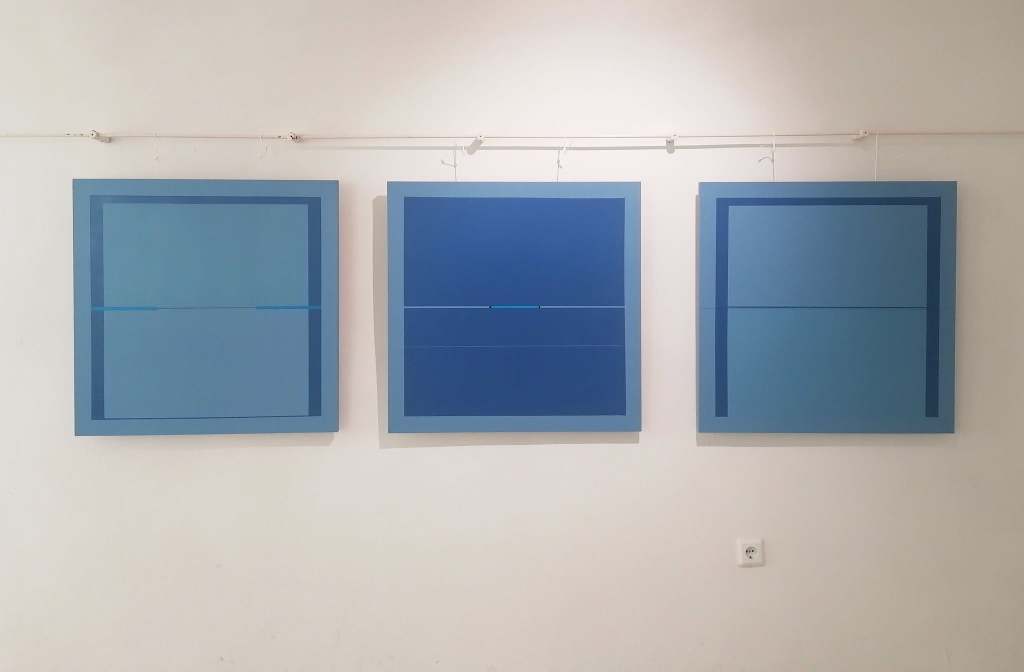
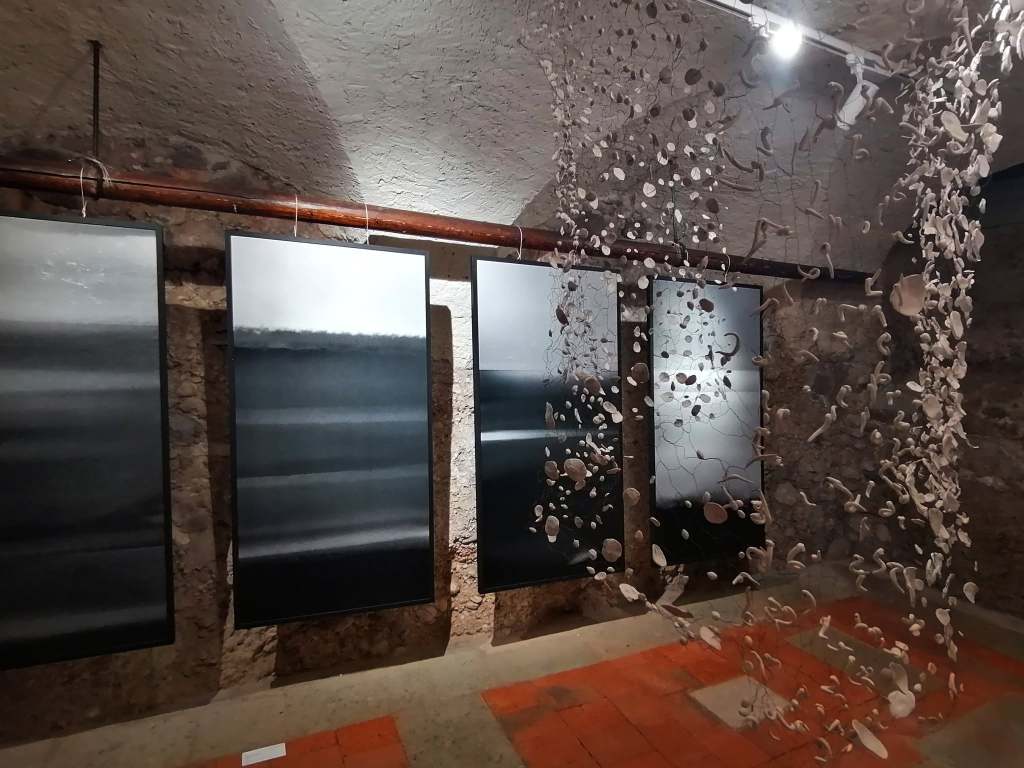
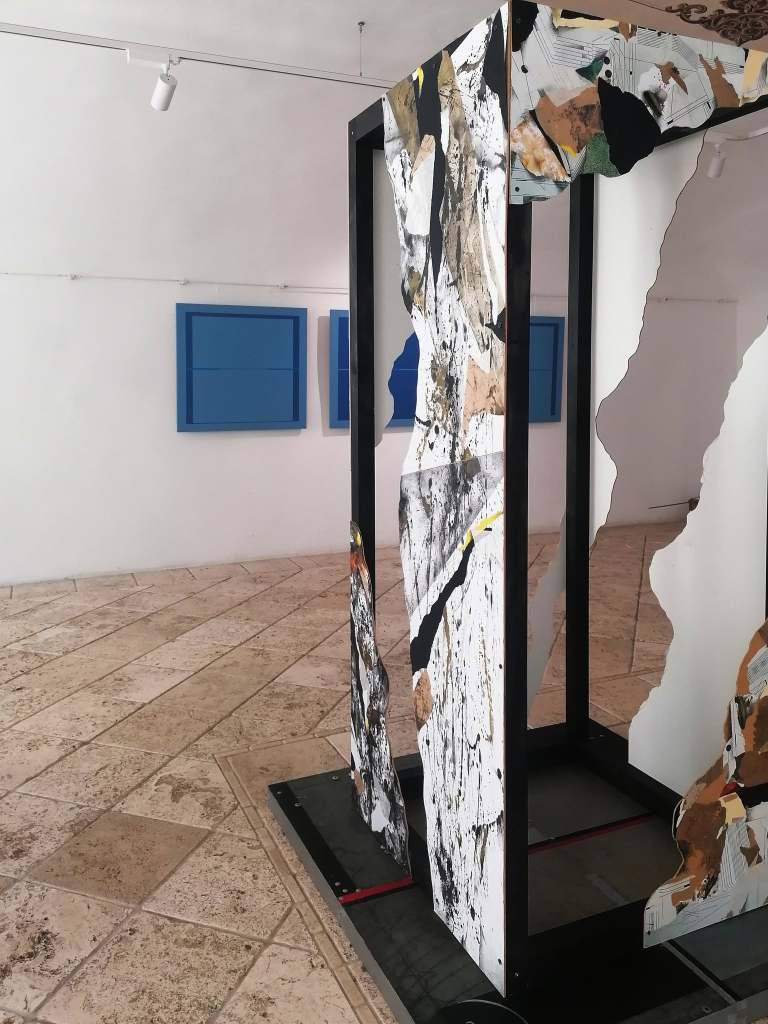
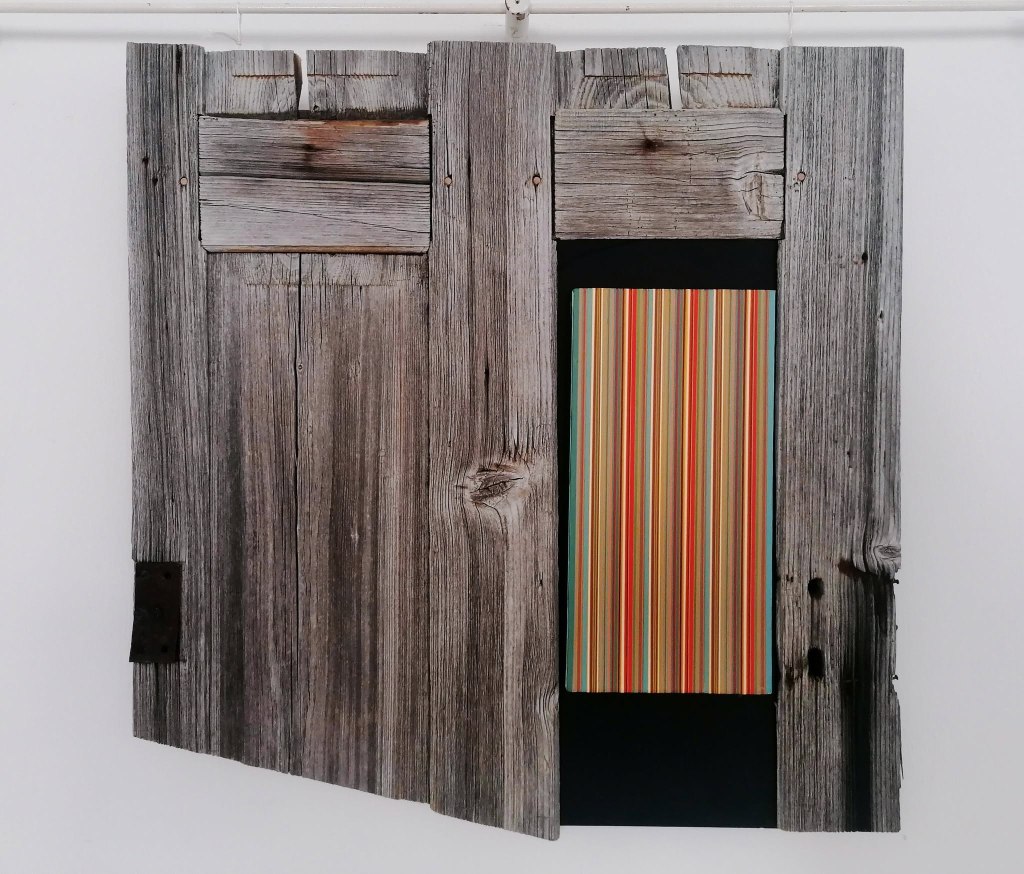
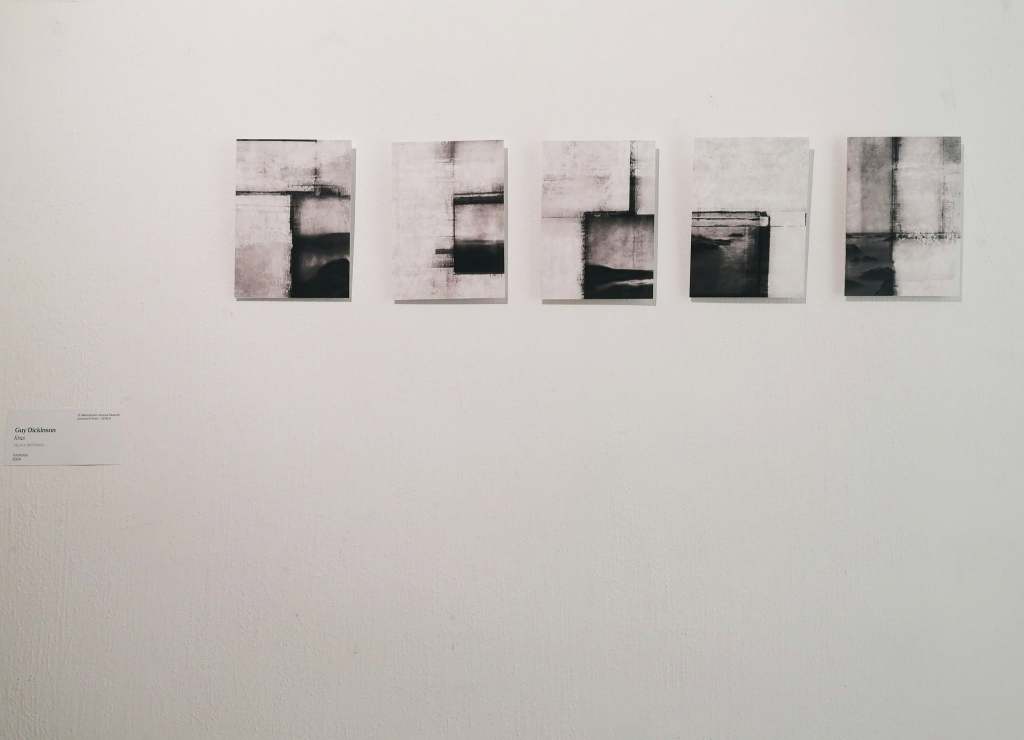
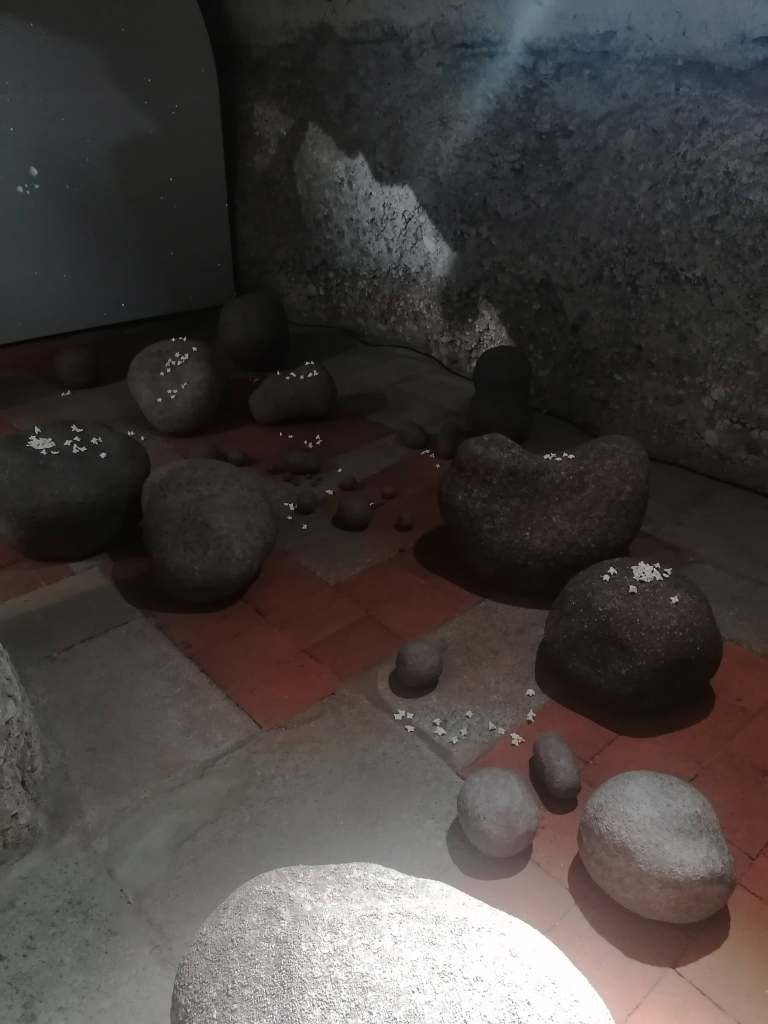
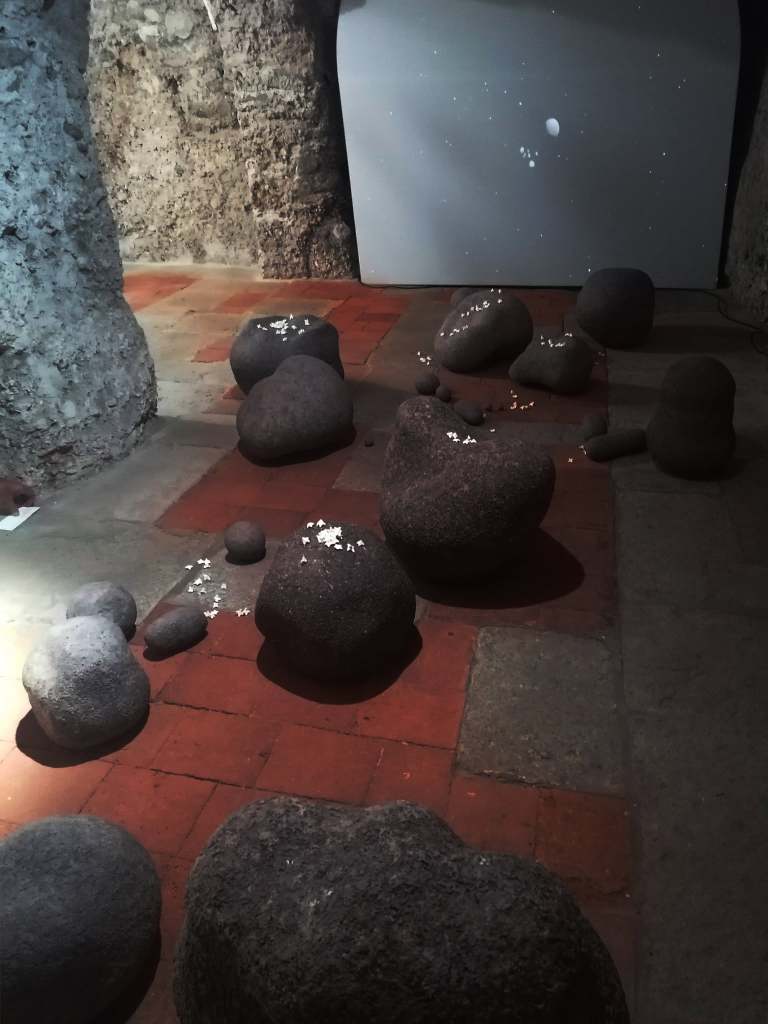
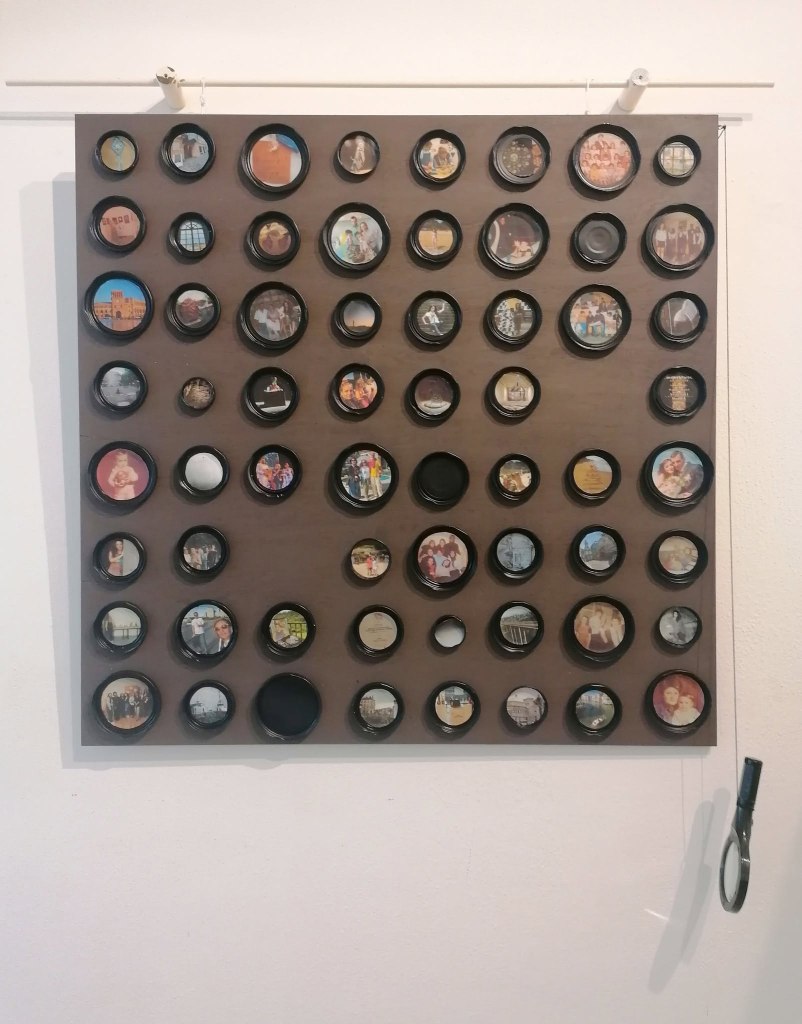
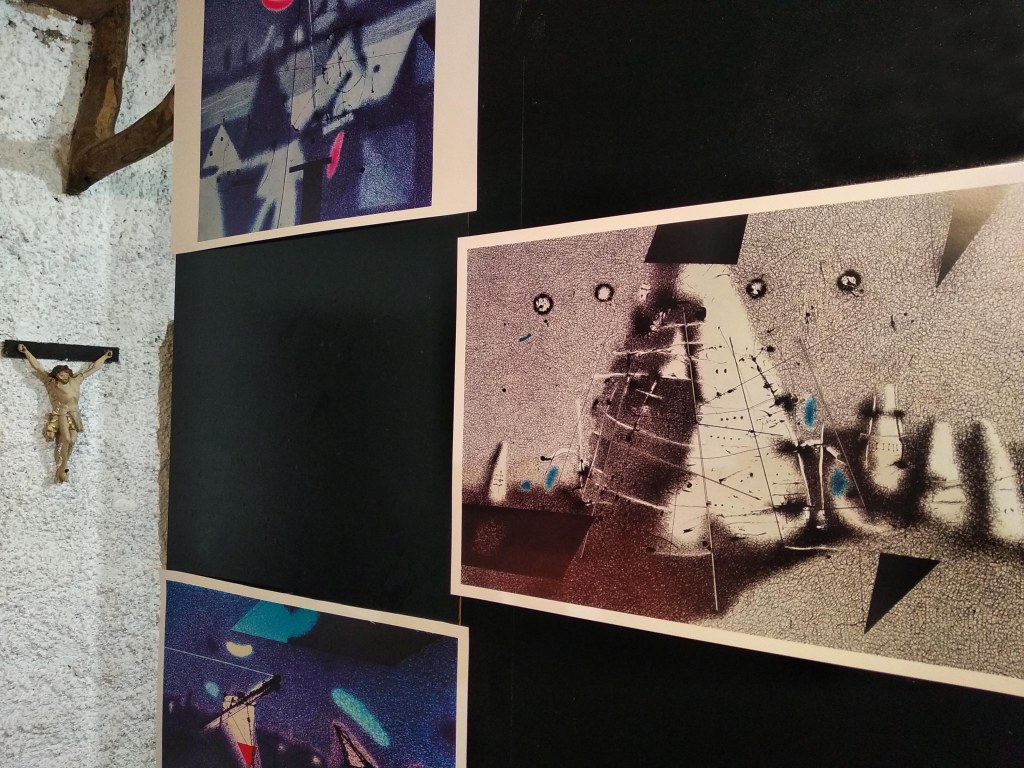
2026, “DUO” Exhibition,Center for Contemporary Art Pivka (Slovenia).
Project curator: Bagrat Arazyan. Artists: Elena Borimskaya, Olga Kopeleva.
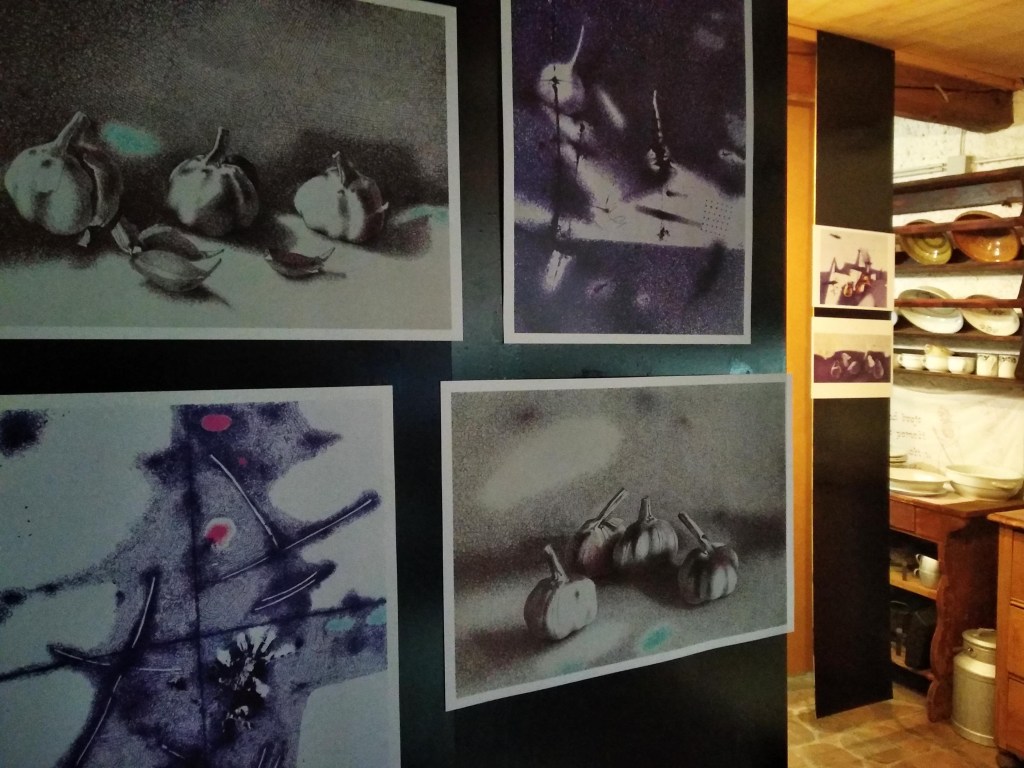
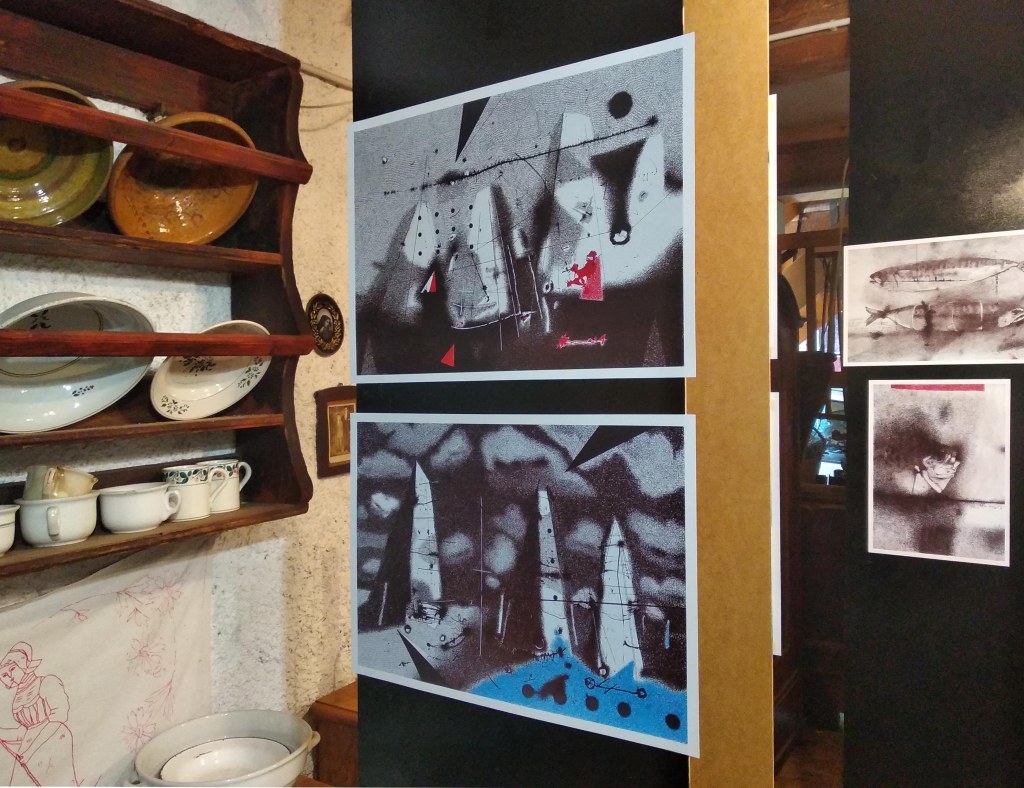
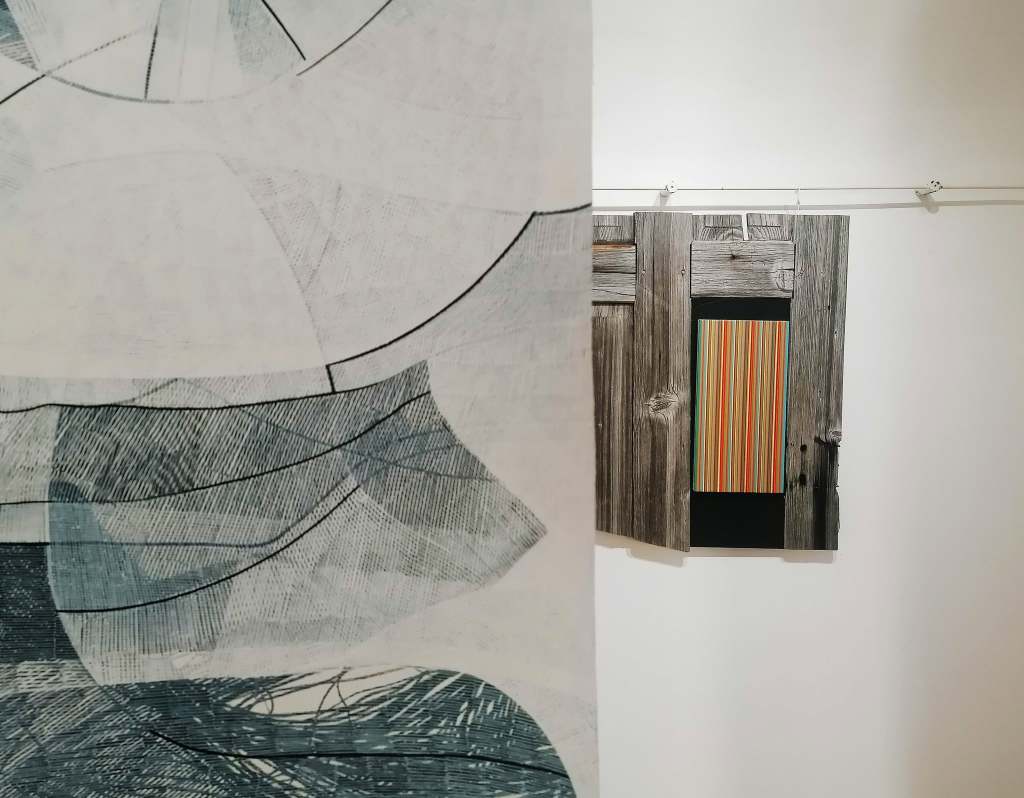
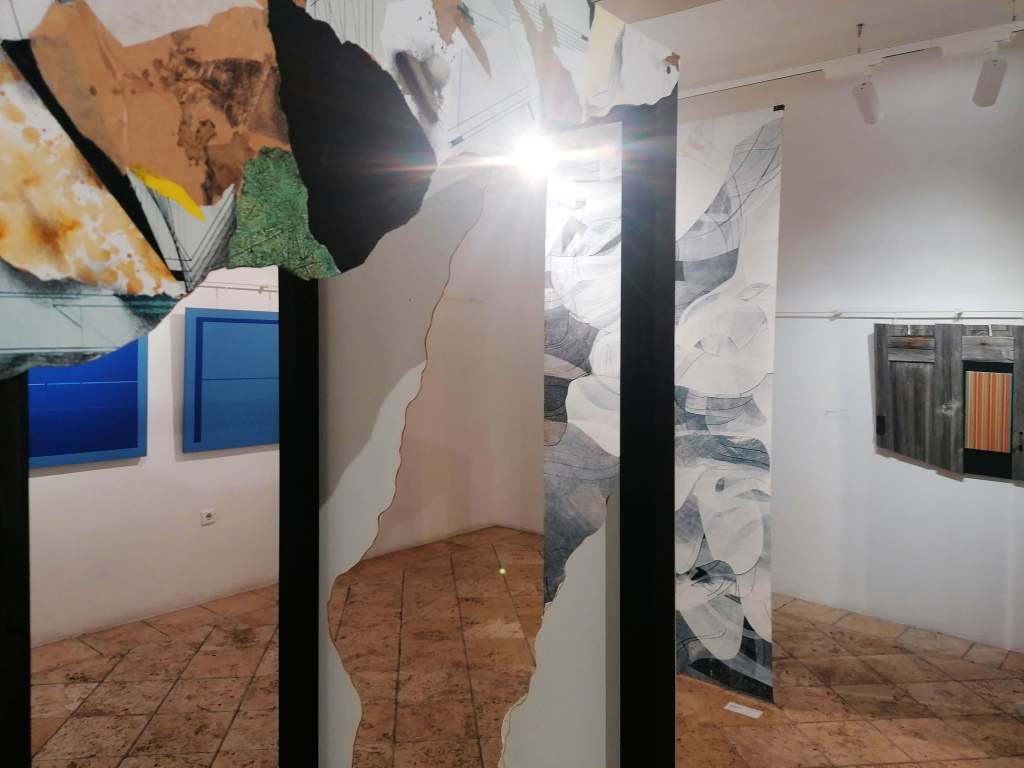
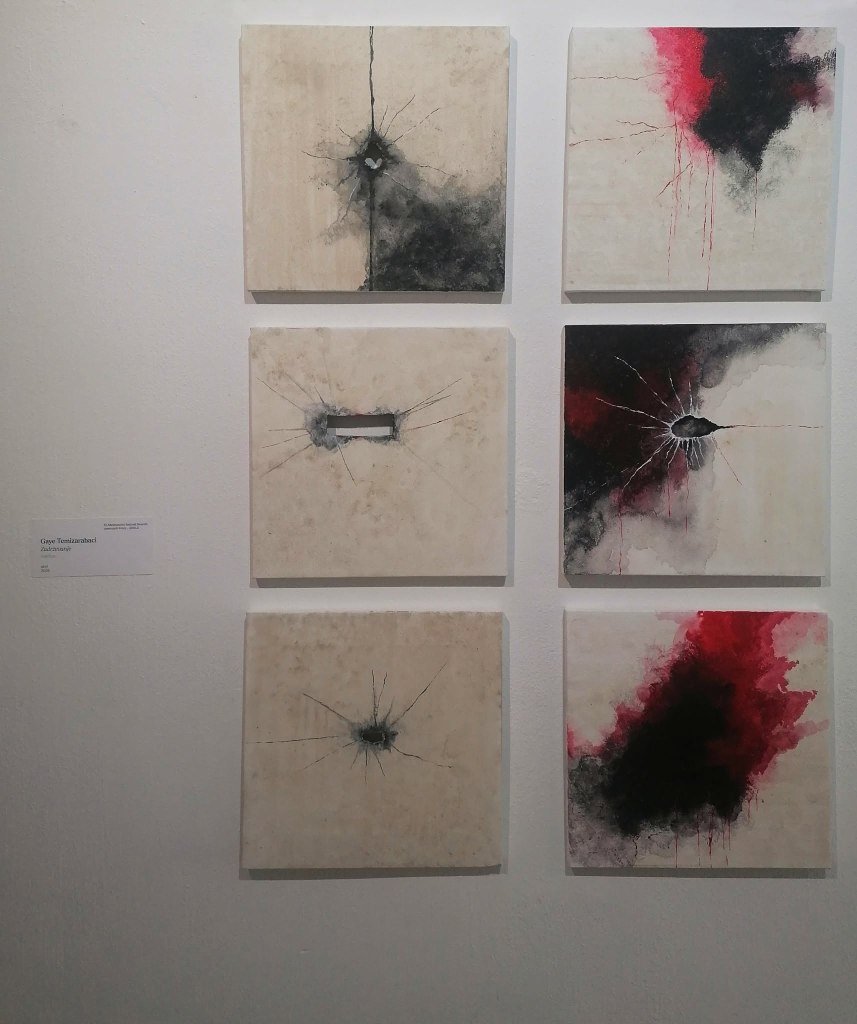
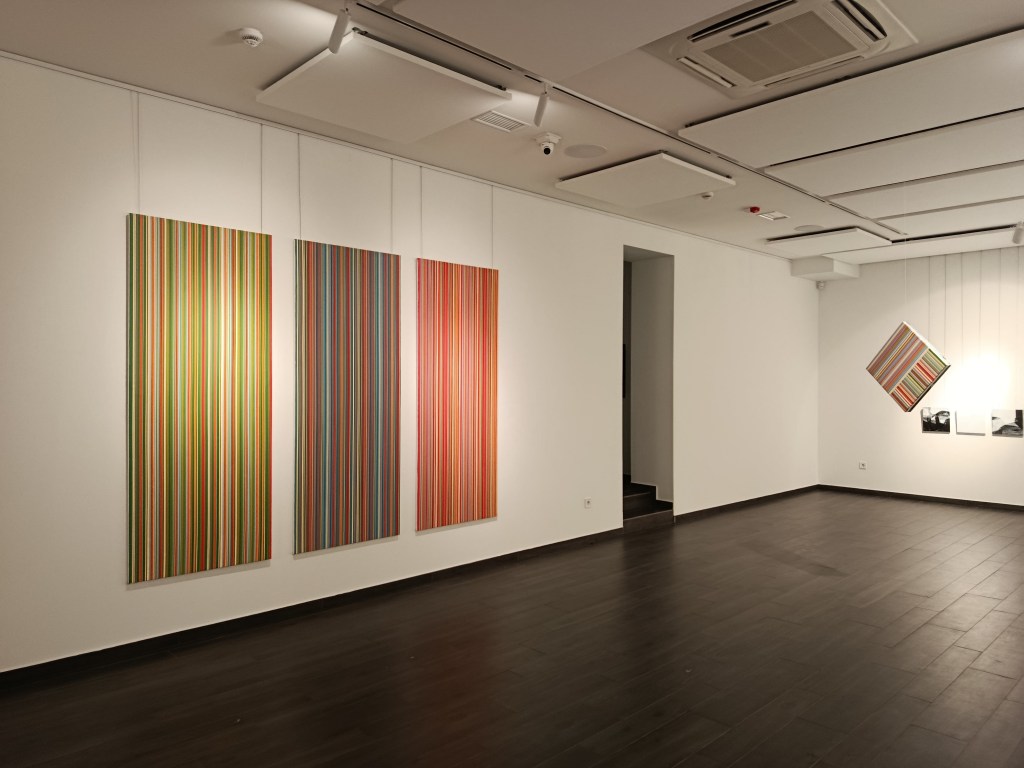
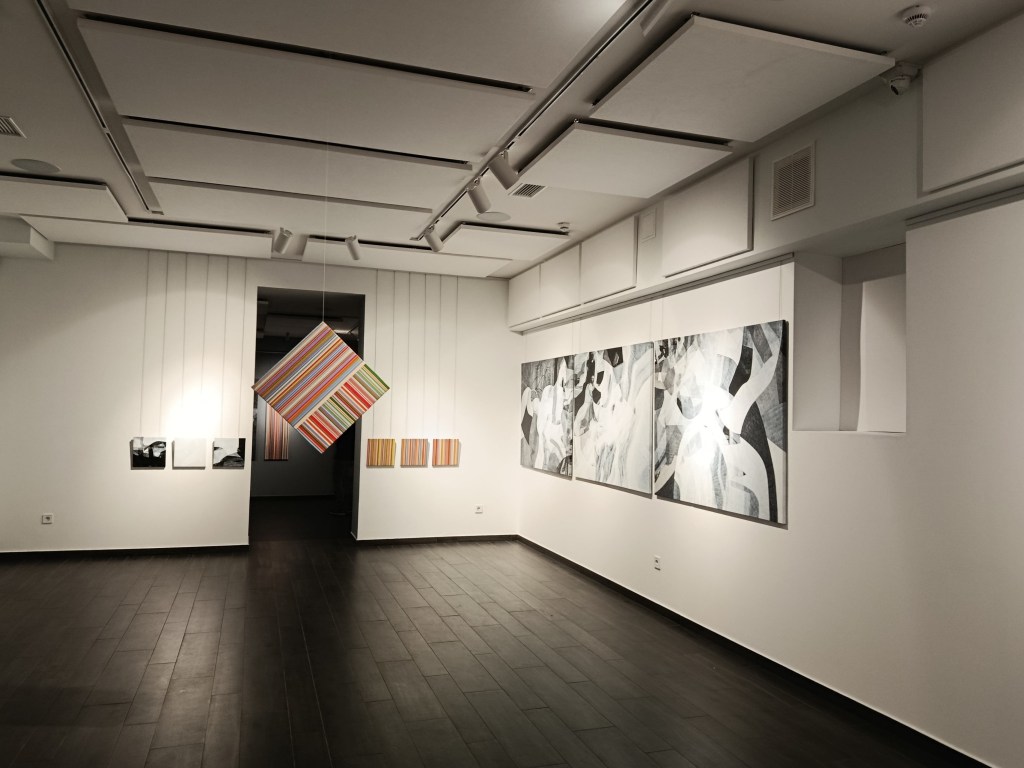
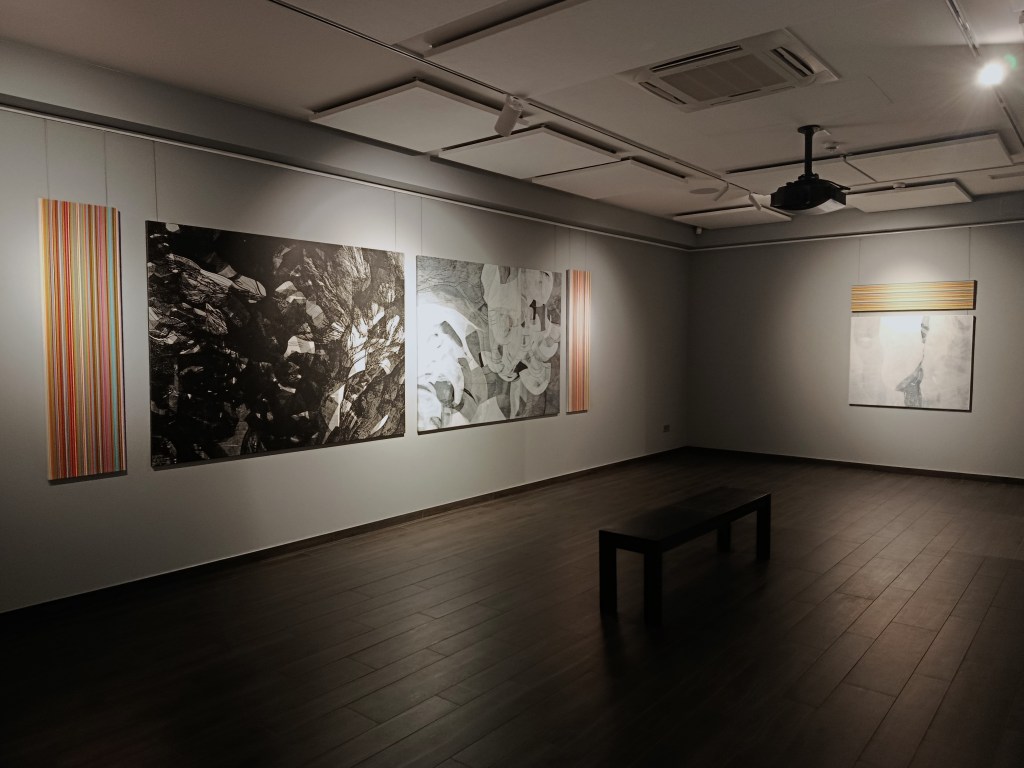
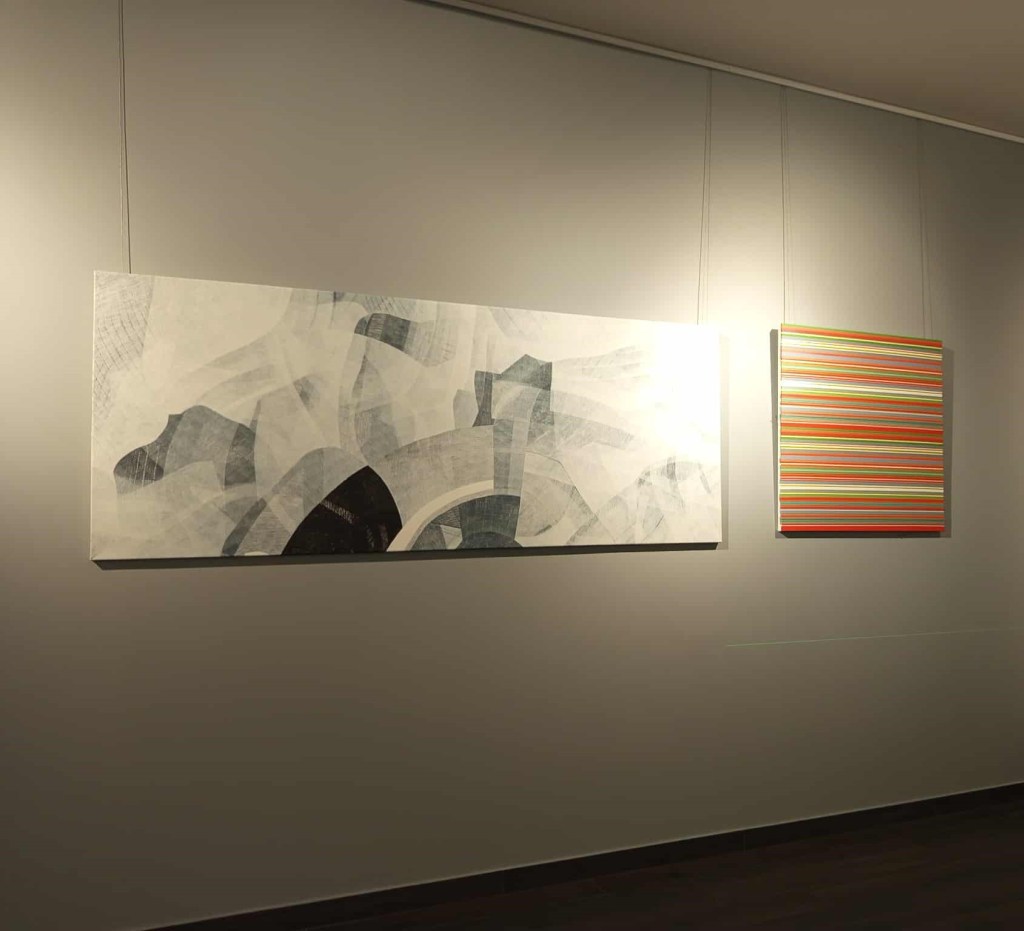
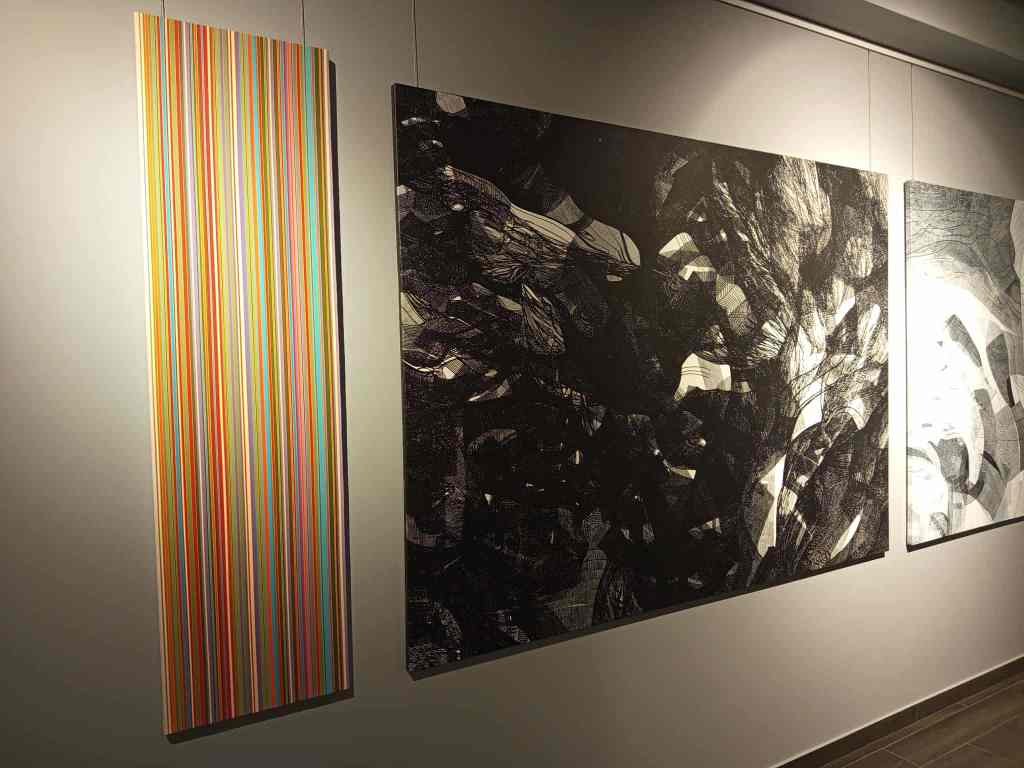
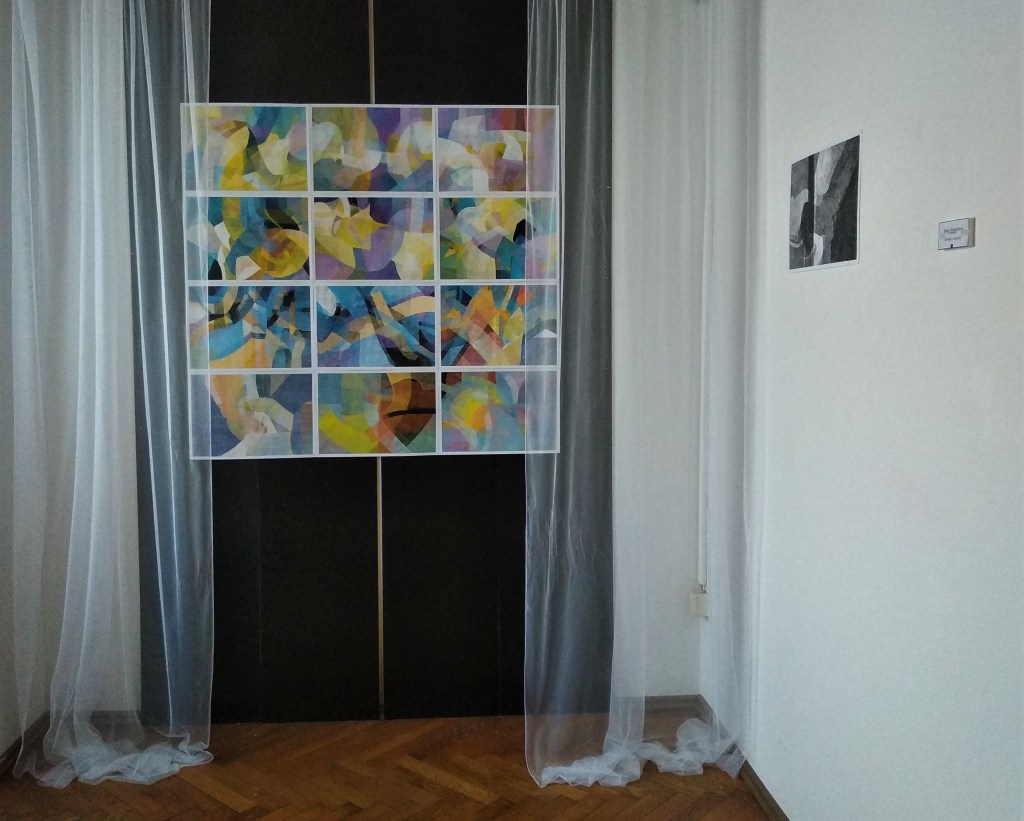
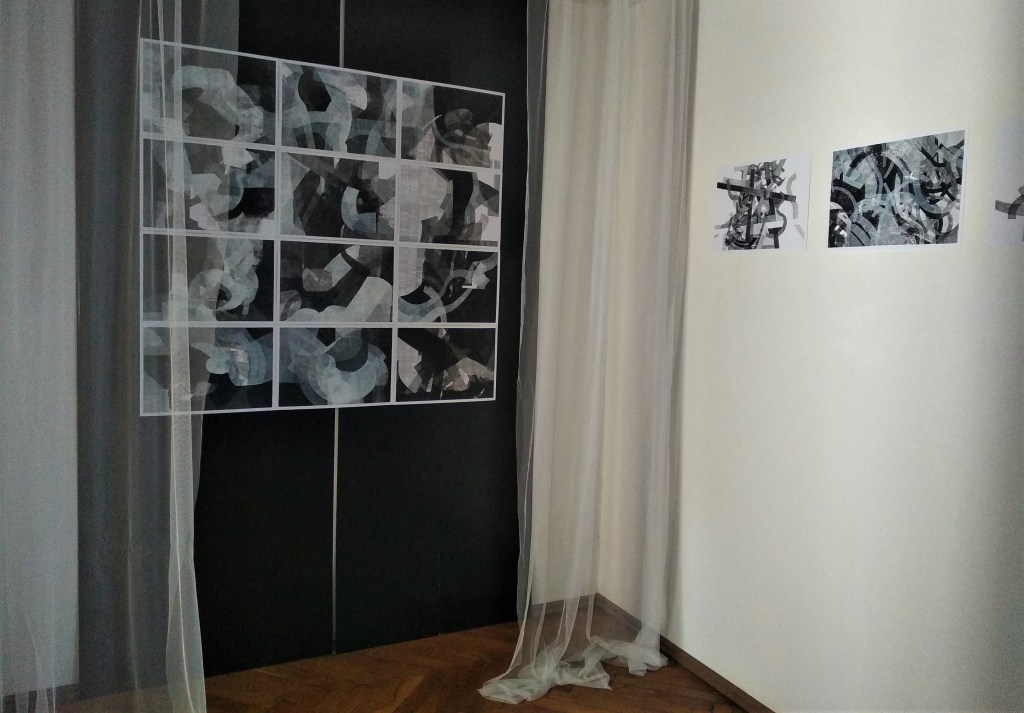
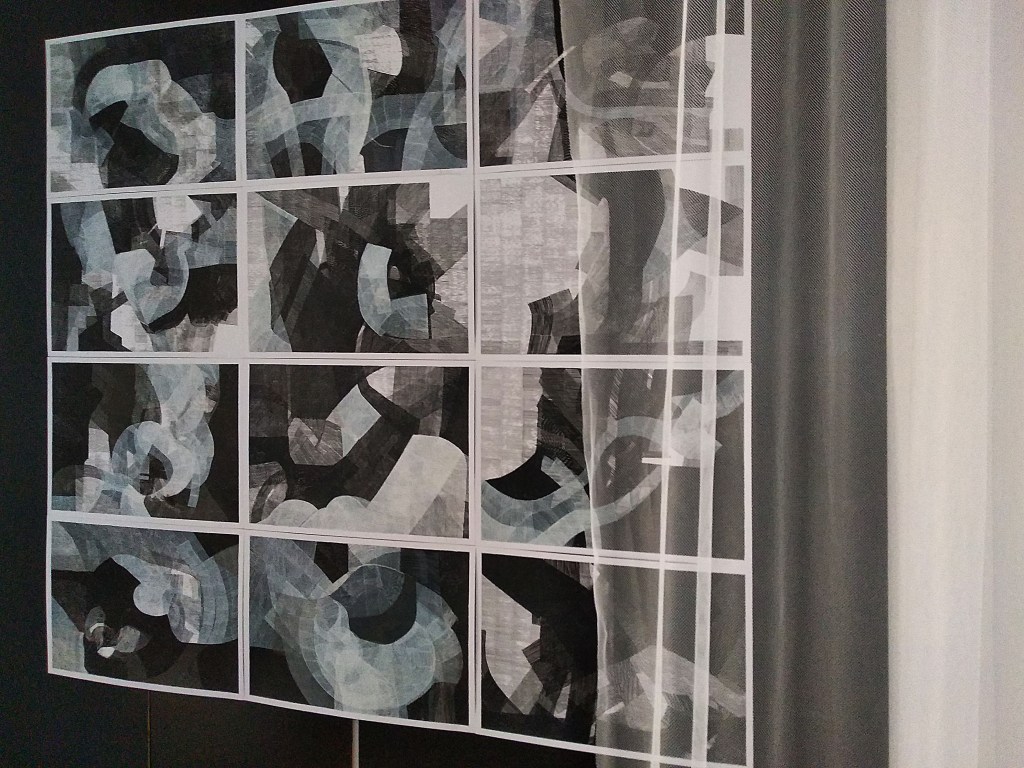
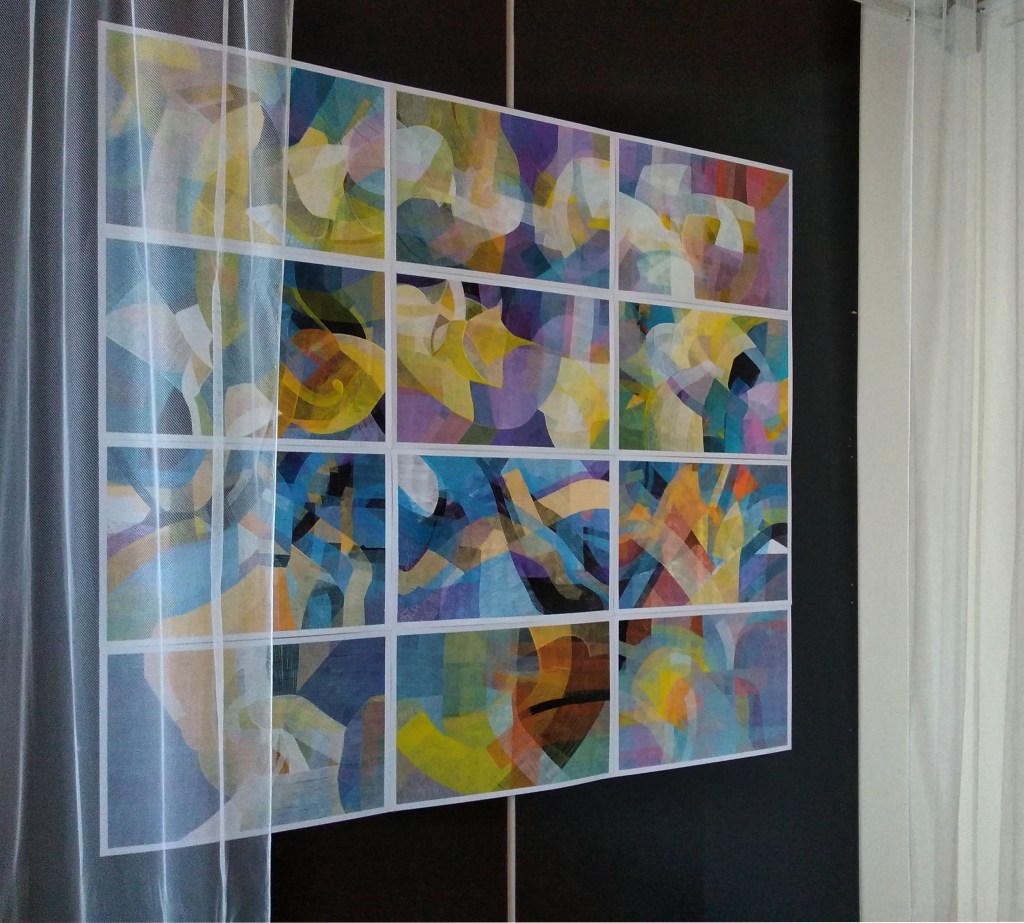
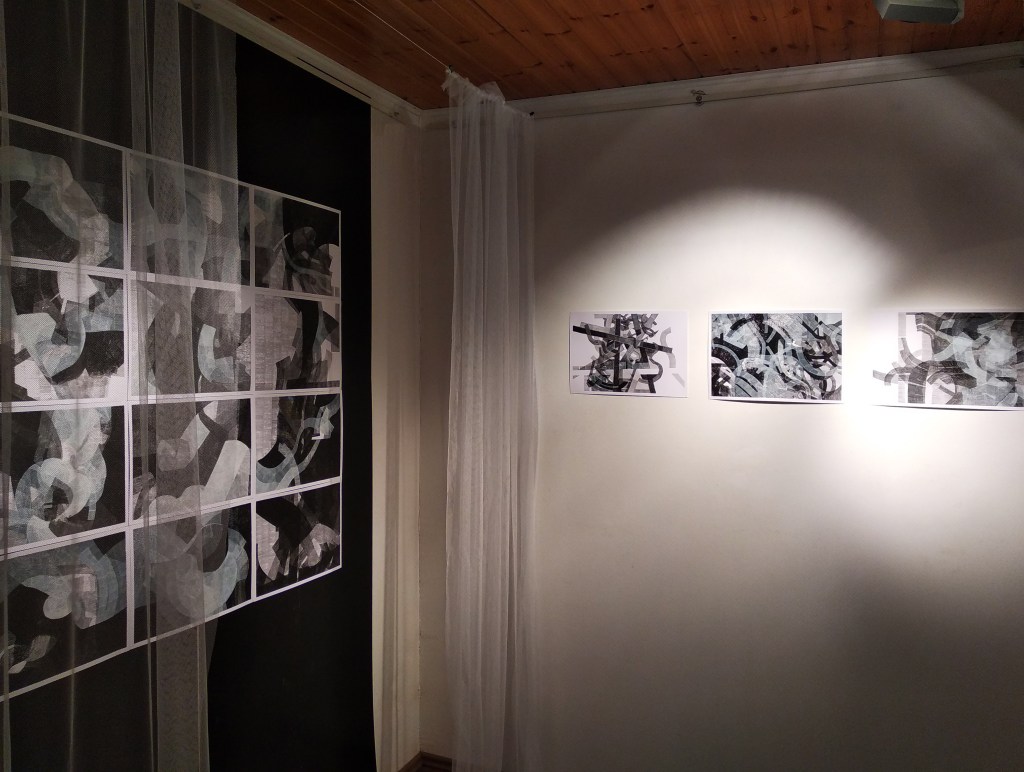
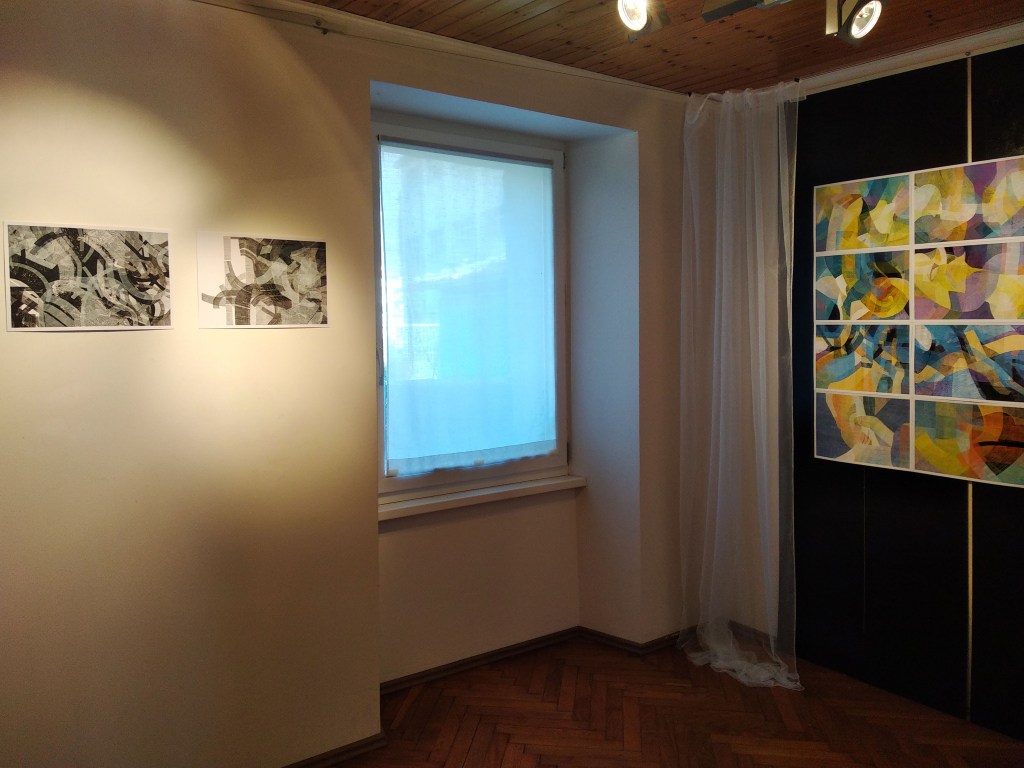
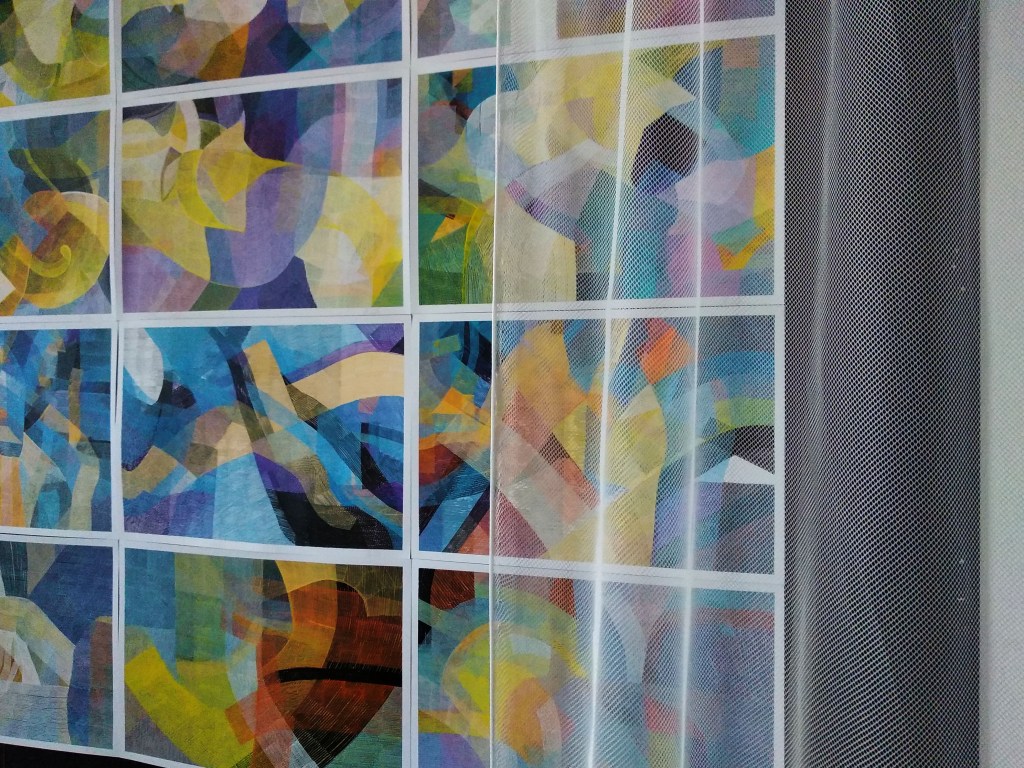
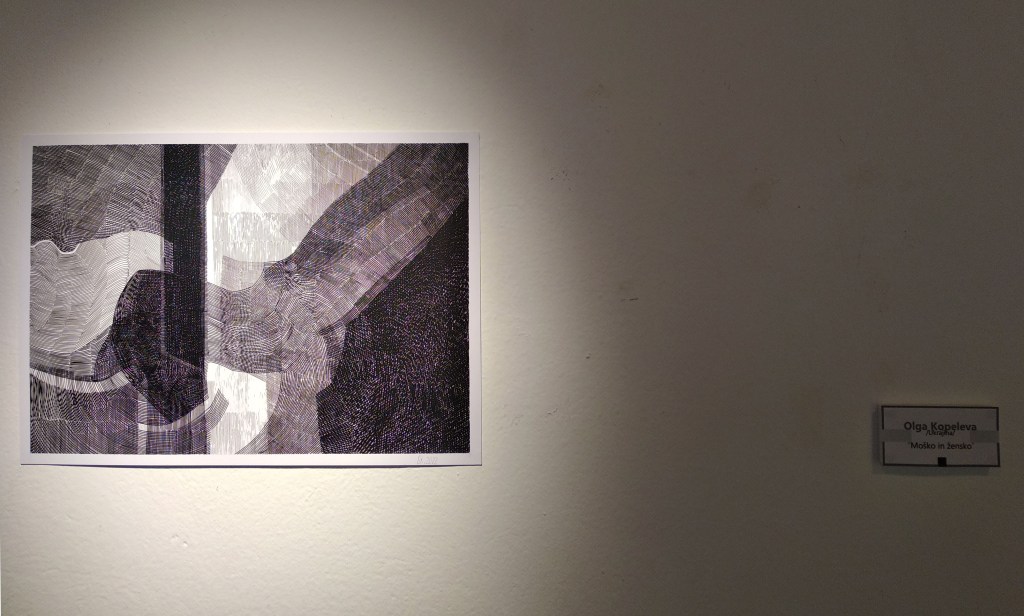
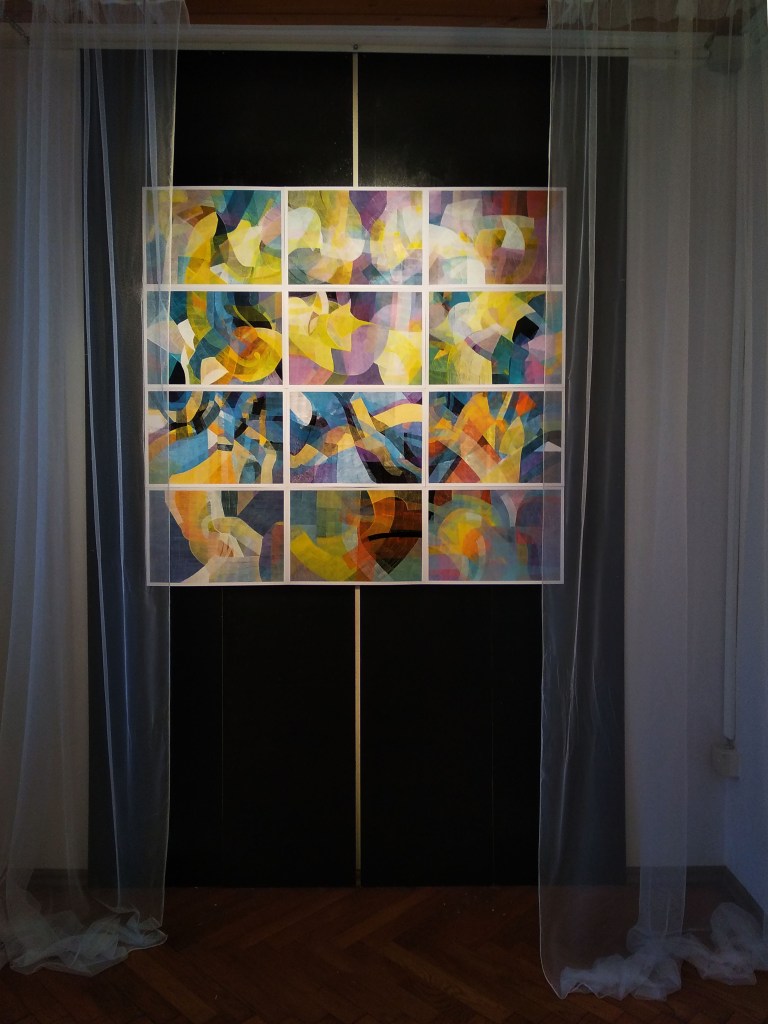
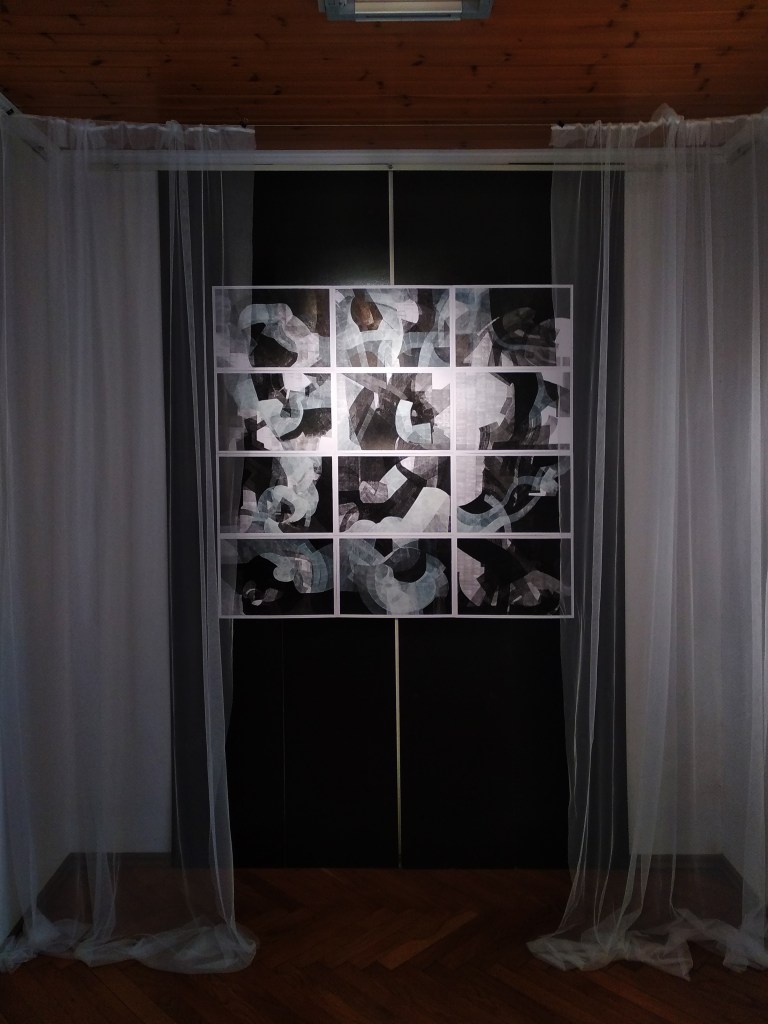
Gilles Deleuze wrote that “philosophy is the creation of concepts.” And for many who call themselves philosophers, this is indeed the case. Yet there exists a small circle for whom philosophy is a way of life, not merely the creation of concepts. The same holds true for art. Two artists. Two distinct spaces. Olga Kopeleva’s black-and-white space, and Elena Borimskaya’s colorful one. Each represents a mode of the artists’ existence. Their space is simultaneously a place, an action, and an event—an event that is enacted constantly, over and over again. In this constancy of enactment, there is an eternal movement toward the future, and a sense of completion that nonetheless continues.
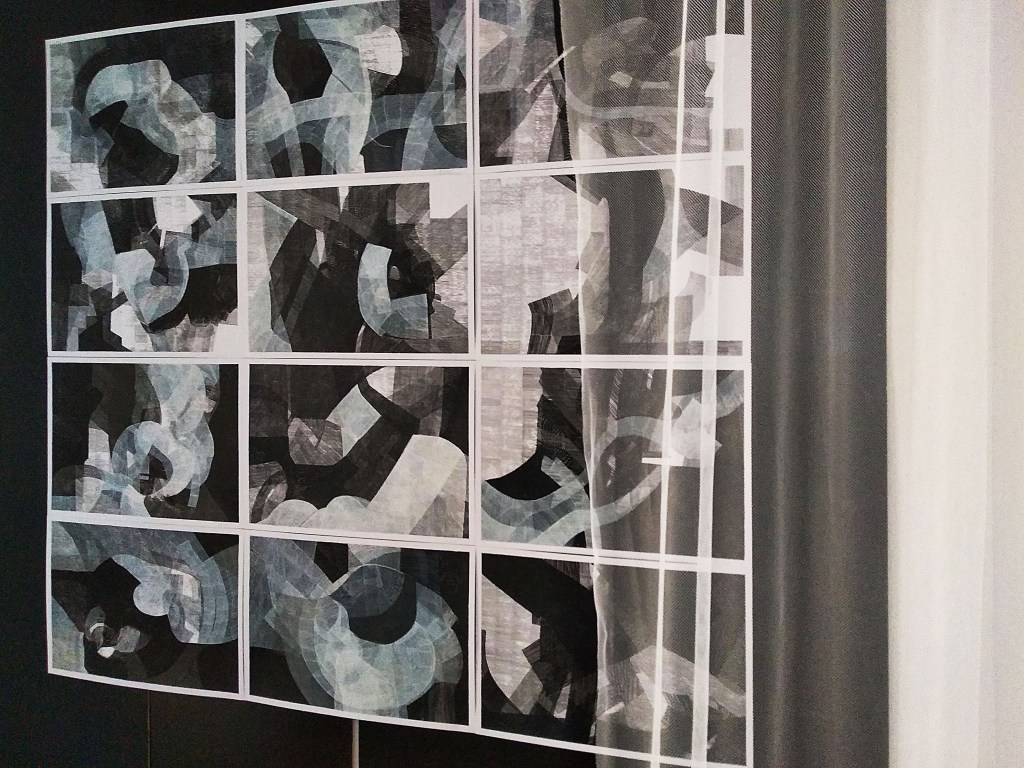
Olya’s space may appear to have limits; within these boundaries, everything seems fully manifest. Yet, when one attempts to grasp and comprehend this manifestation, one is left with nothing—everything slips away. The space itself, in its desire to reveal itself, unfolds as something deeply intimate and hidden. There is always a limit in her works—a stretch between “here” and “the beyond.” Despite the precise calibration of every centimeter (or perhaps precisely because of it), her space is in constant motion. It exists in a state of transition—a transition toward a point where, drawing just a little closer, one feels the breath of the Nothing that “levels beings” (Heidegger). Her space is multilayered, formed of folds. These are folds of Time, expanding the very fabric of space outward and into the depths.
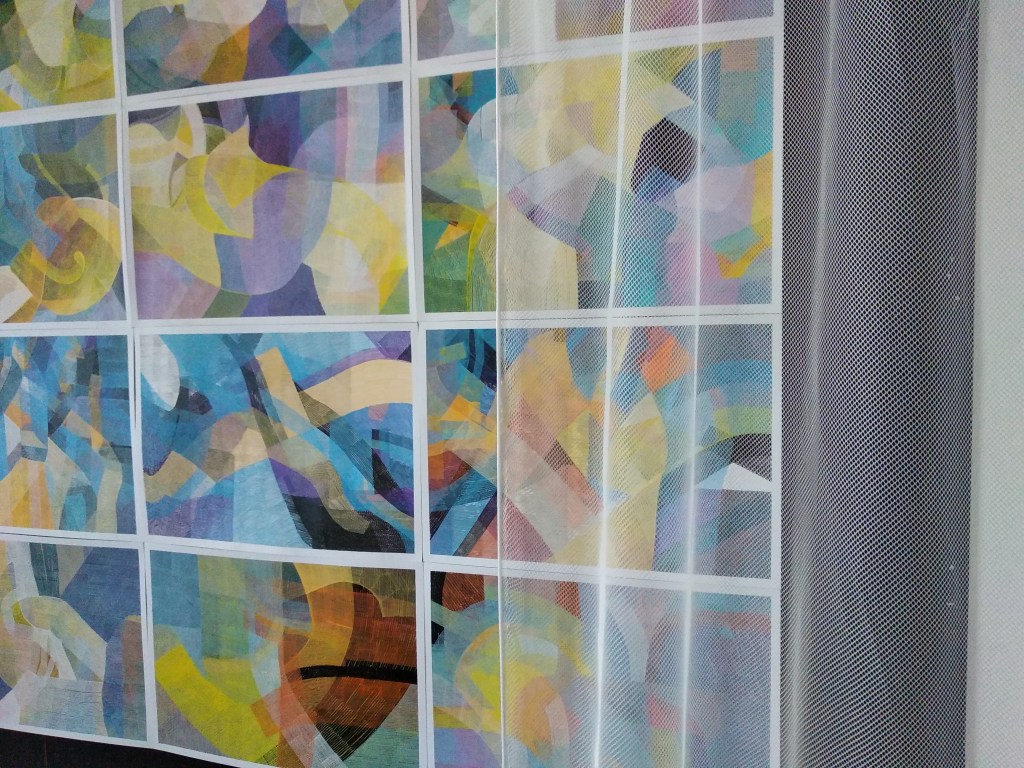
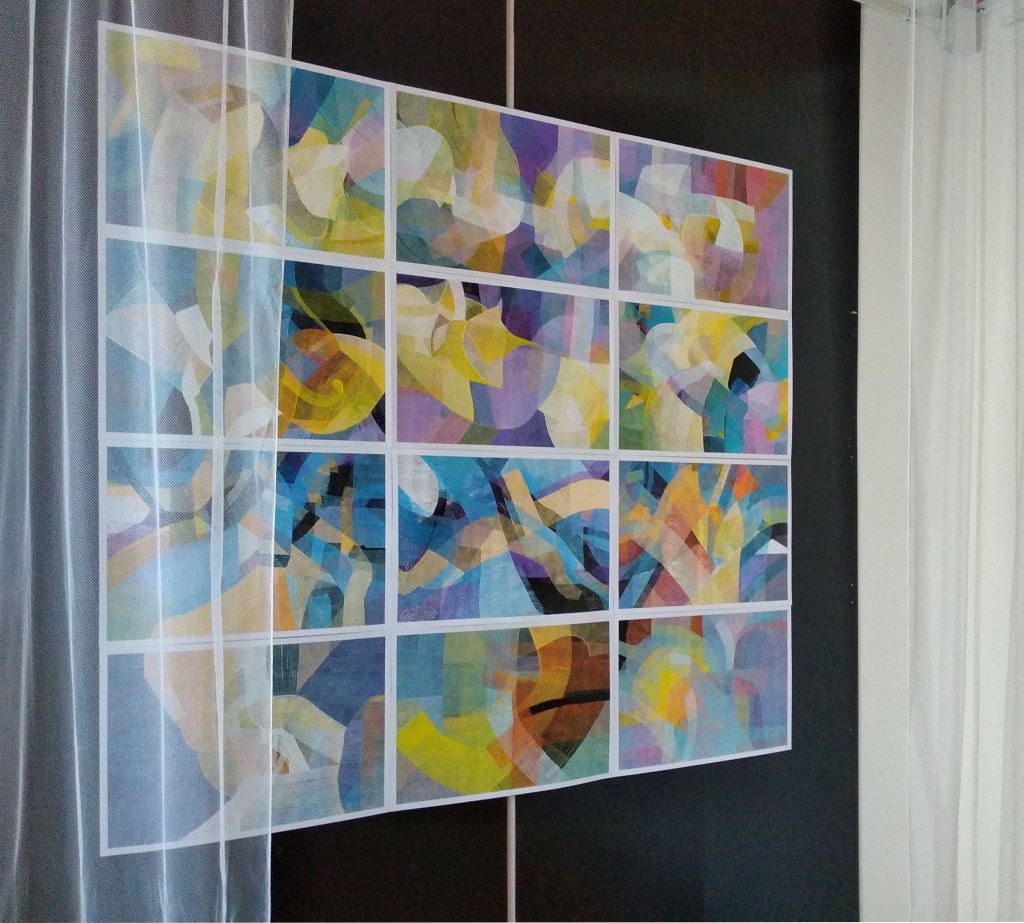
And this very time is an indivisible component of Elena’s space. Her space is boundless—it is in continuous motion. It is a place that enacts itself as an Event in the form of a shimmering of color. And this shimmer is a trace left by Being—a call to an Encounter. You gaze at these streaks—these traces—and in their excess, you always sense their insufficiency. It evokes a state of “enough, yet I want more.” The space is open and manifest, yet impossible to fully contain. Through its very openness, it defies comprehension. No matter how ready one is to see and understand, something remains hidden. The mystery flowing through the shimmer reveals itself as an absence; thus, both the traces and the call to the Encounter unfold only as Nietzsche’s “eternal return.”
Two artists. Two distinct spaces. And a mystery in which one longs to partake.
Text by Bagrat Azaryan
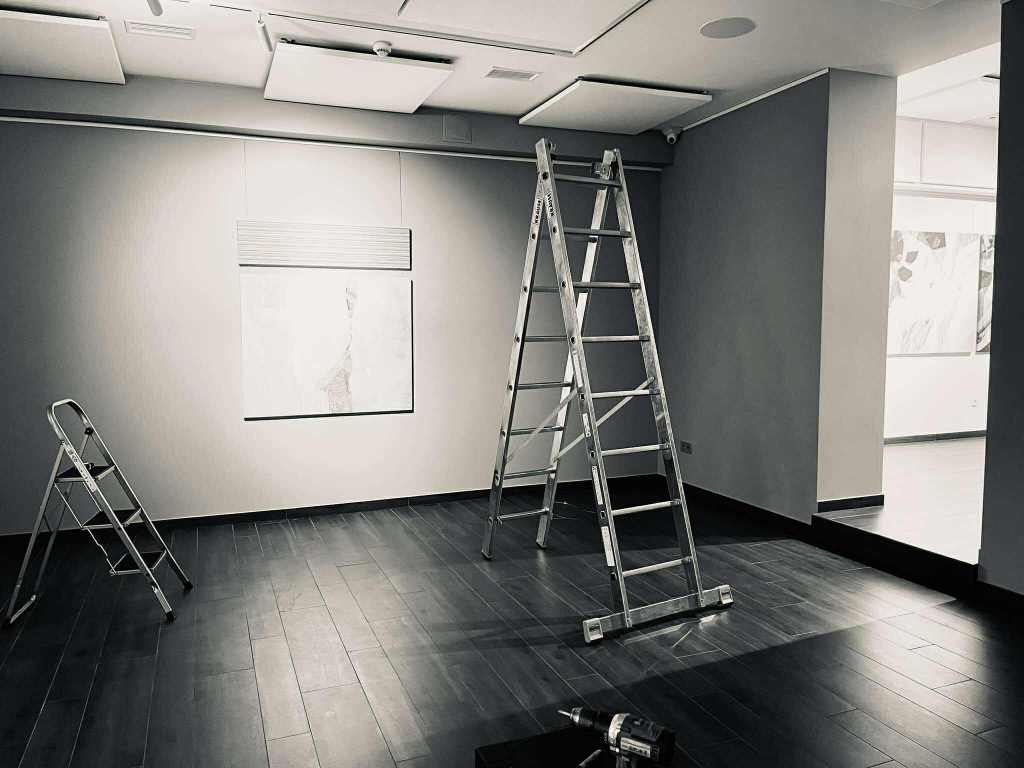
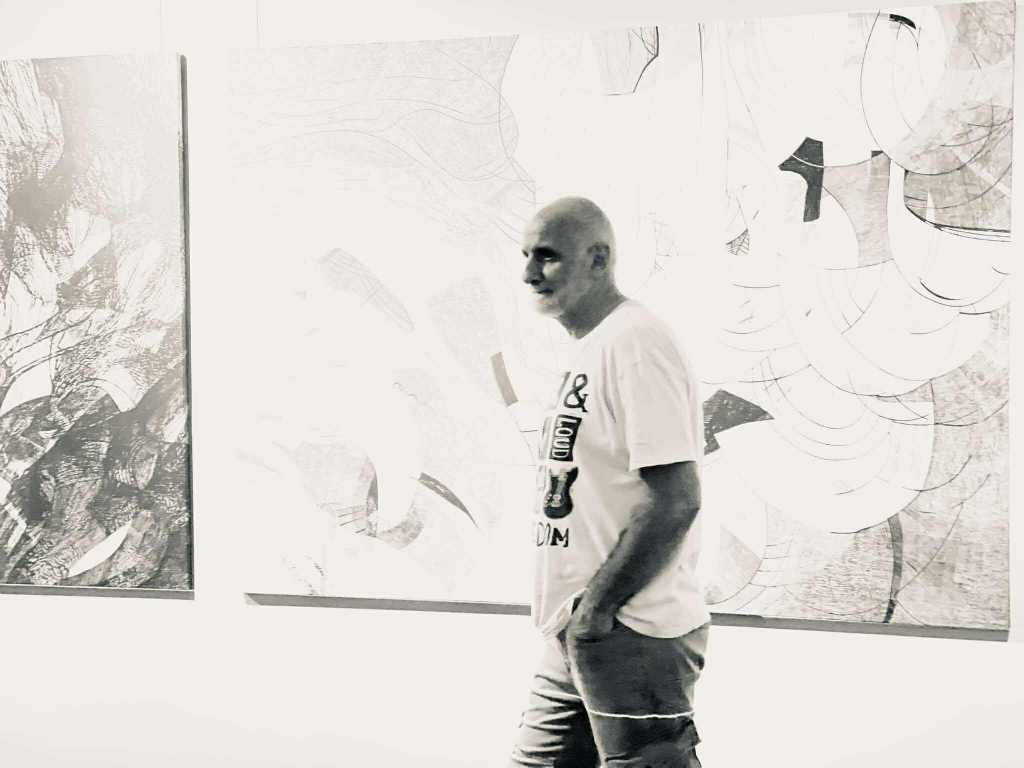
2026, “DUO” Exhibition, Center for Contemporary Art Pivka (Slovenia).
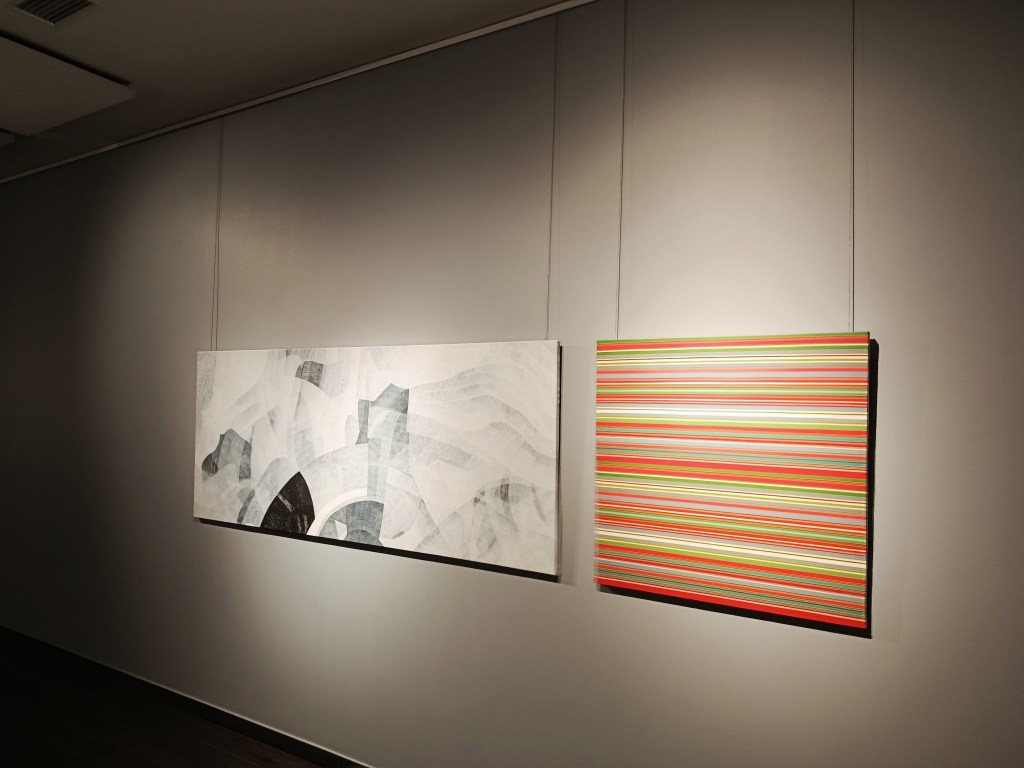
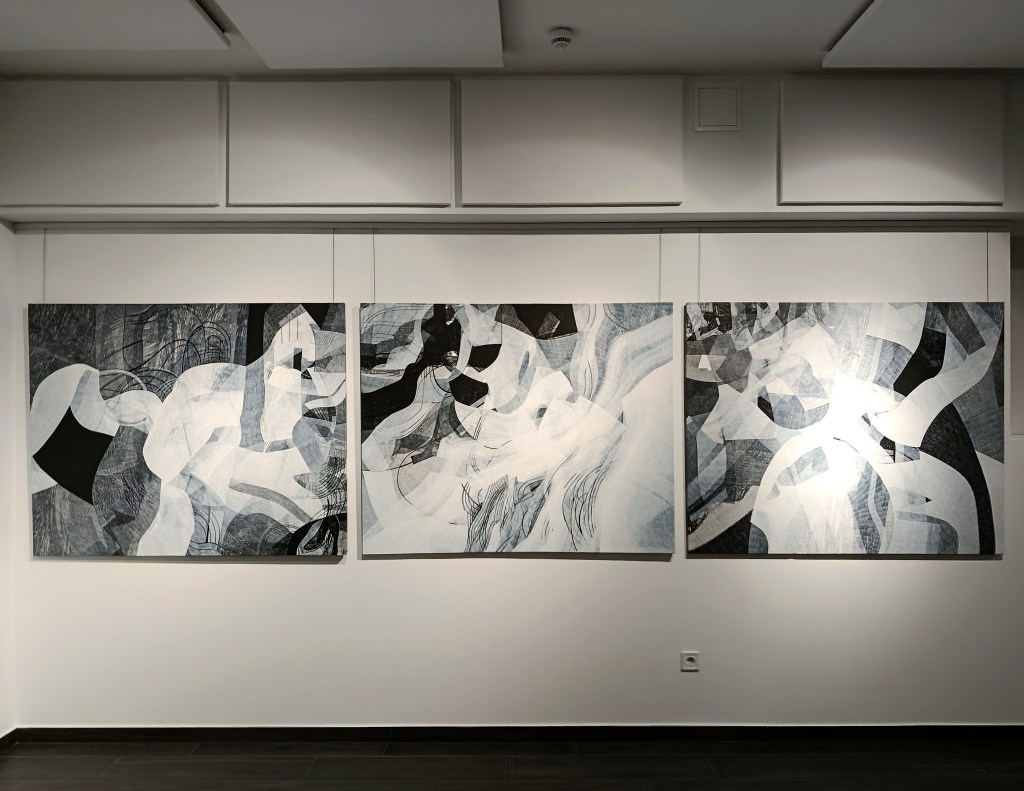
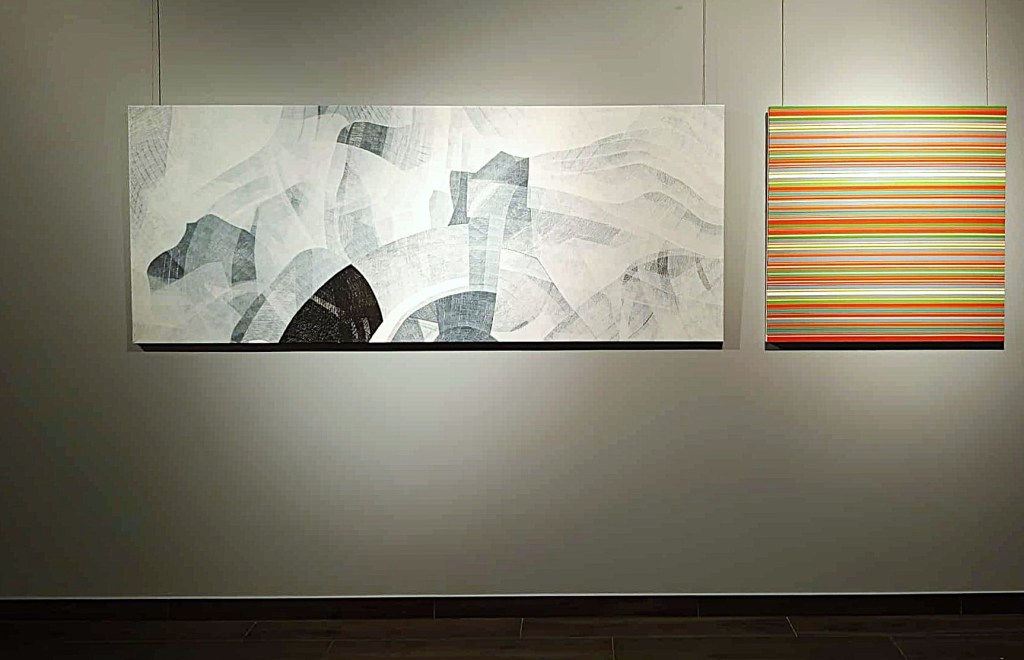
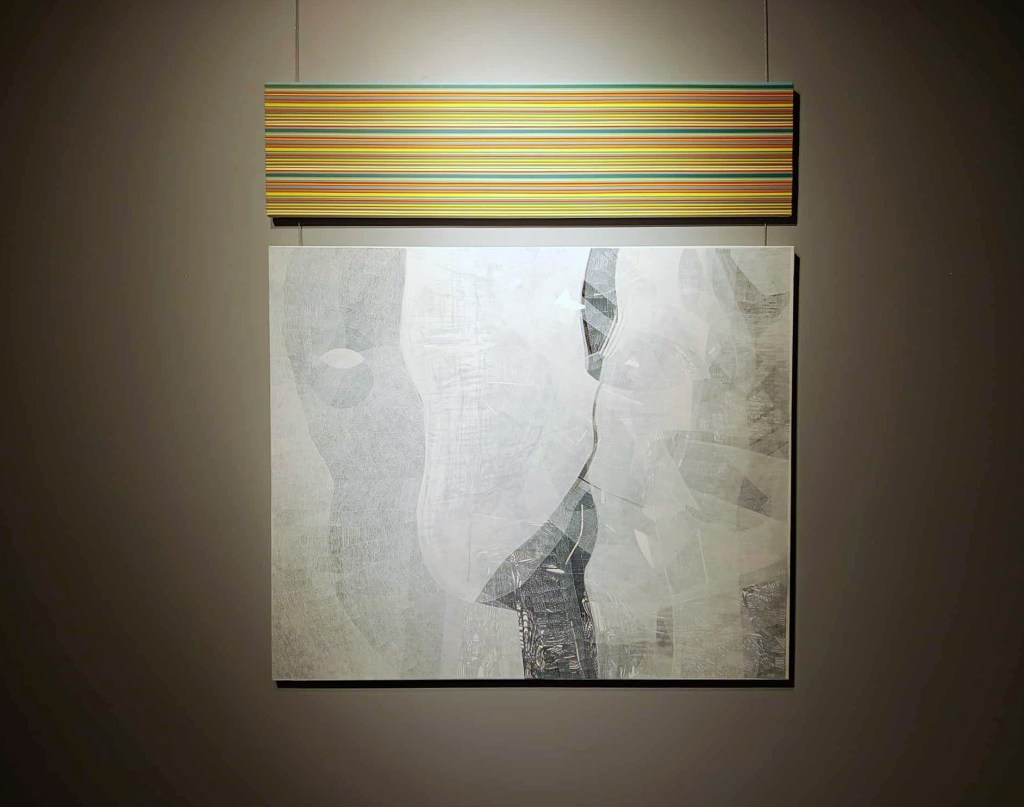
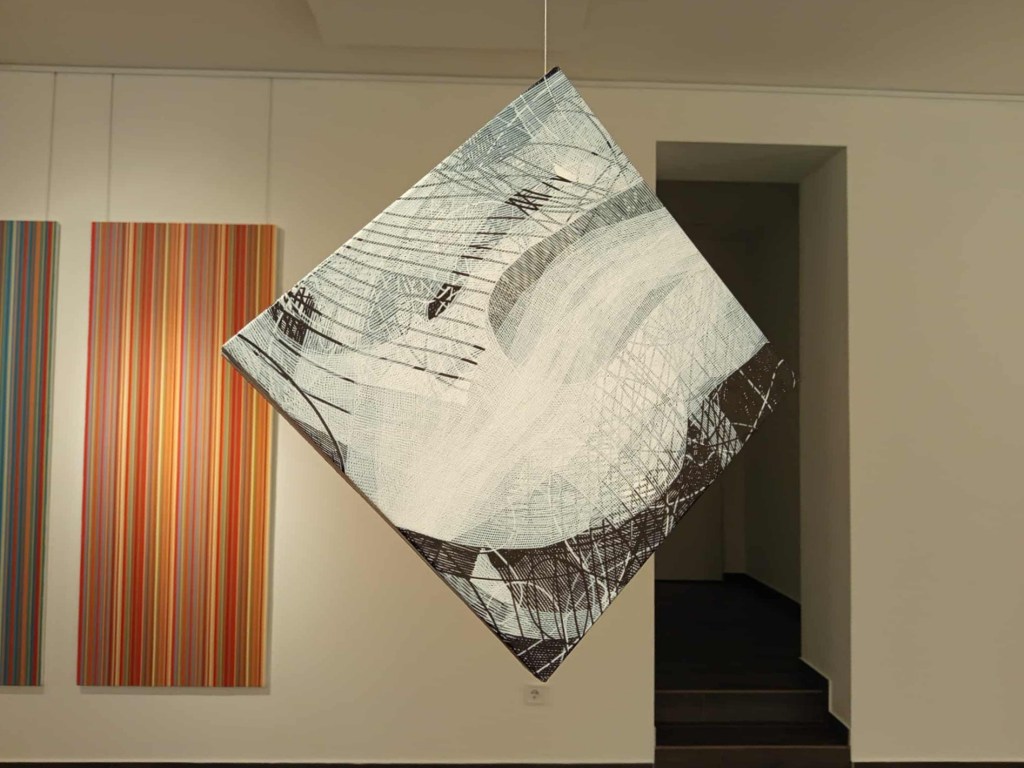
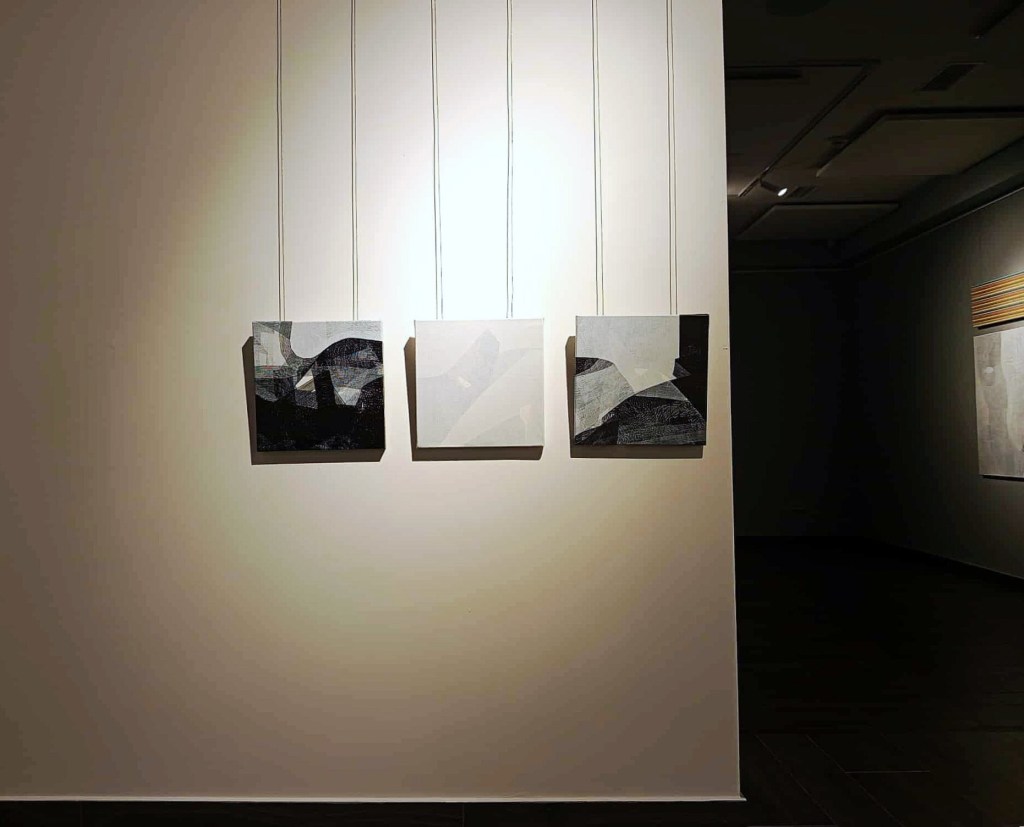
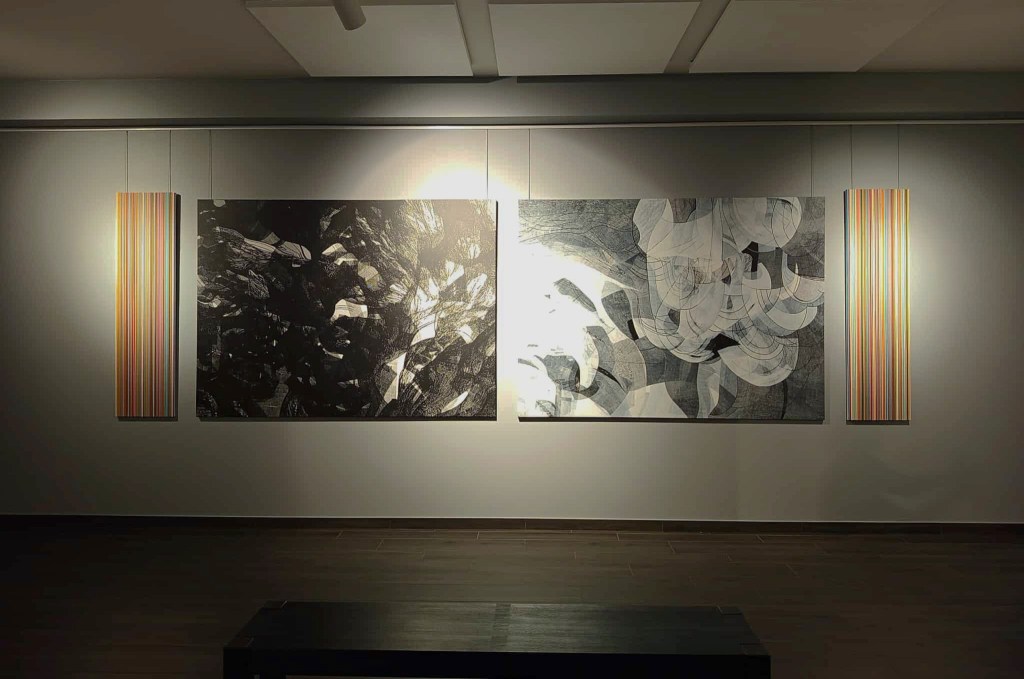
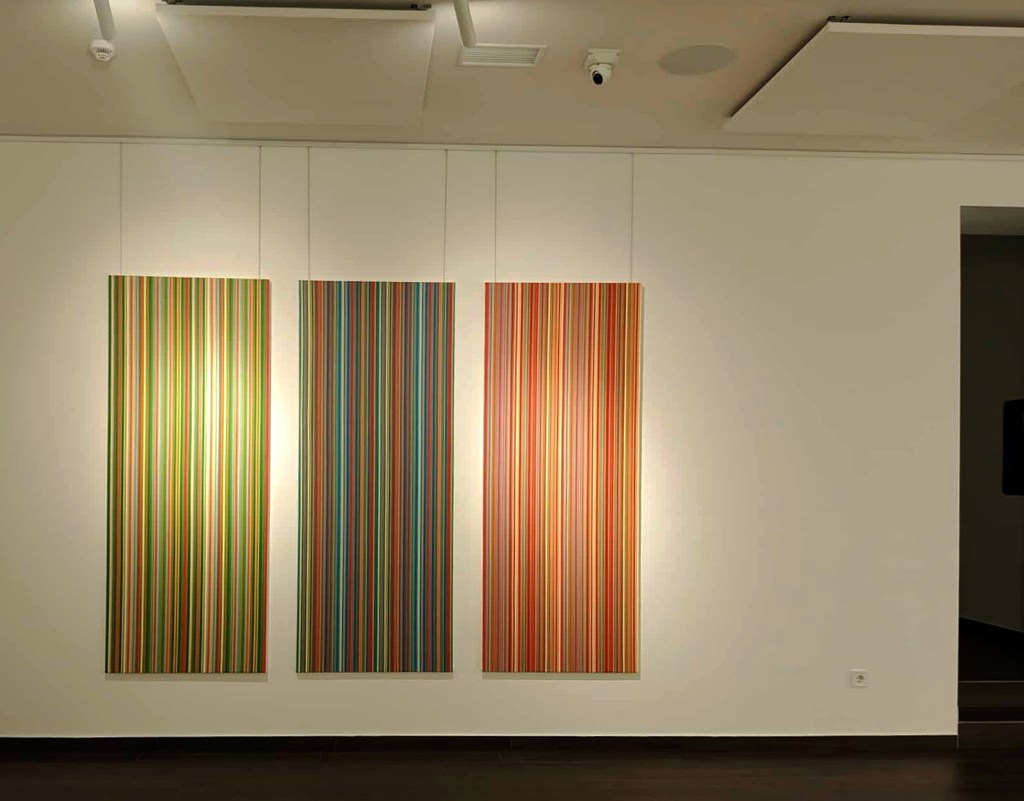
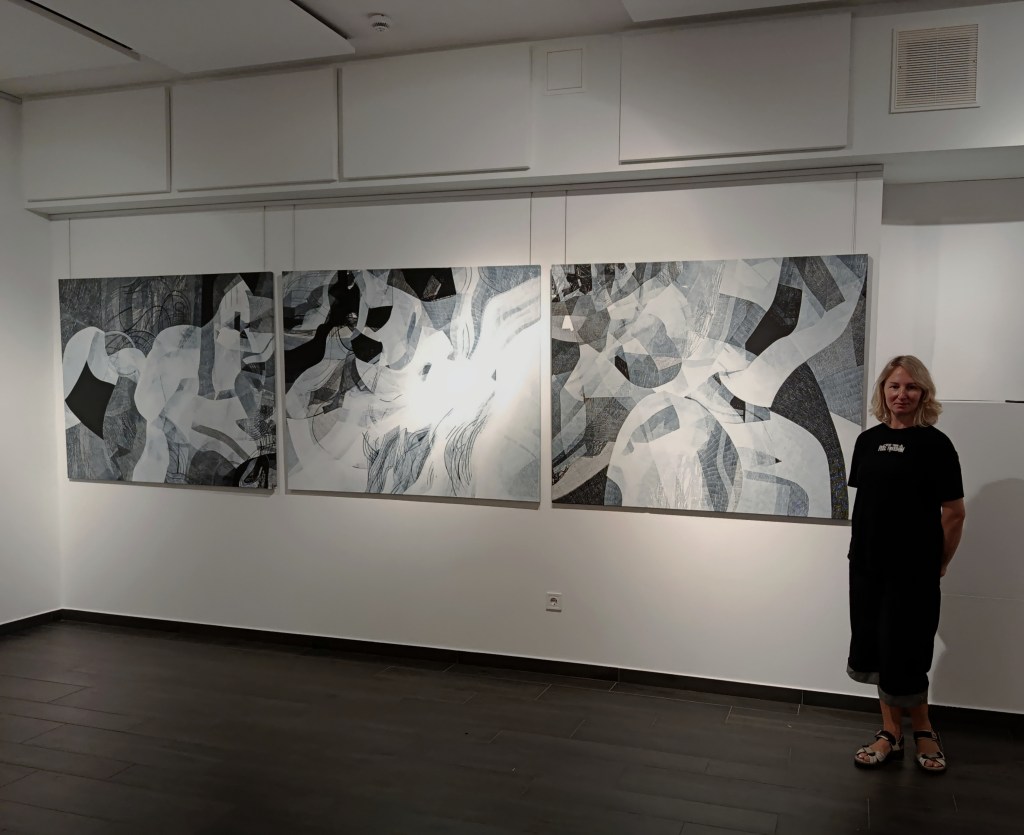
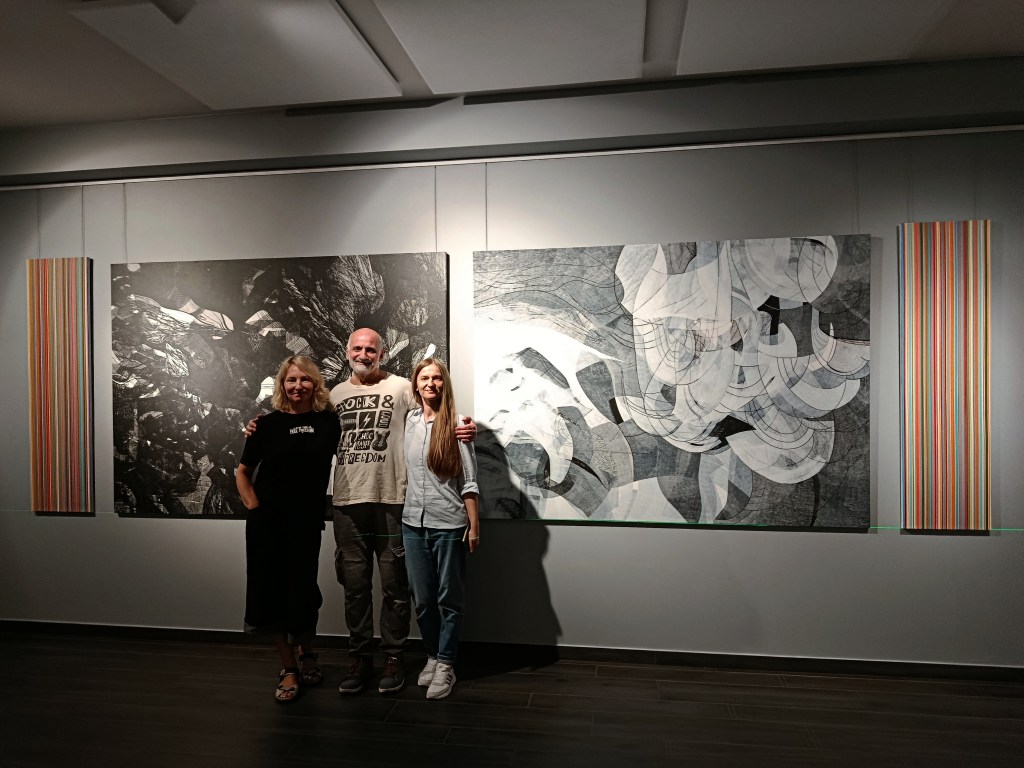
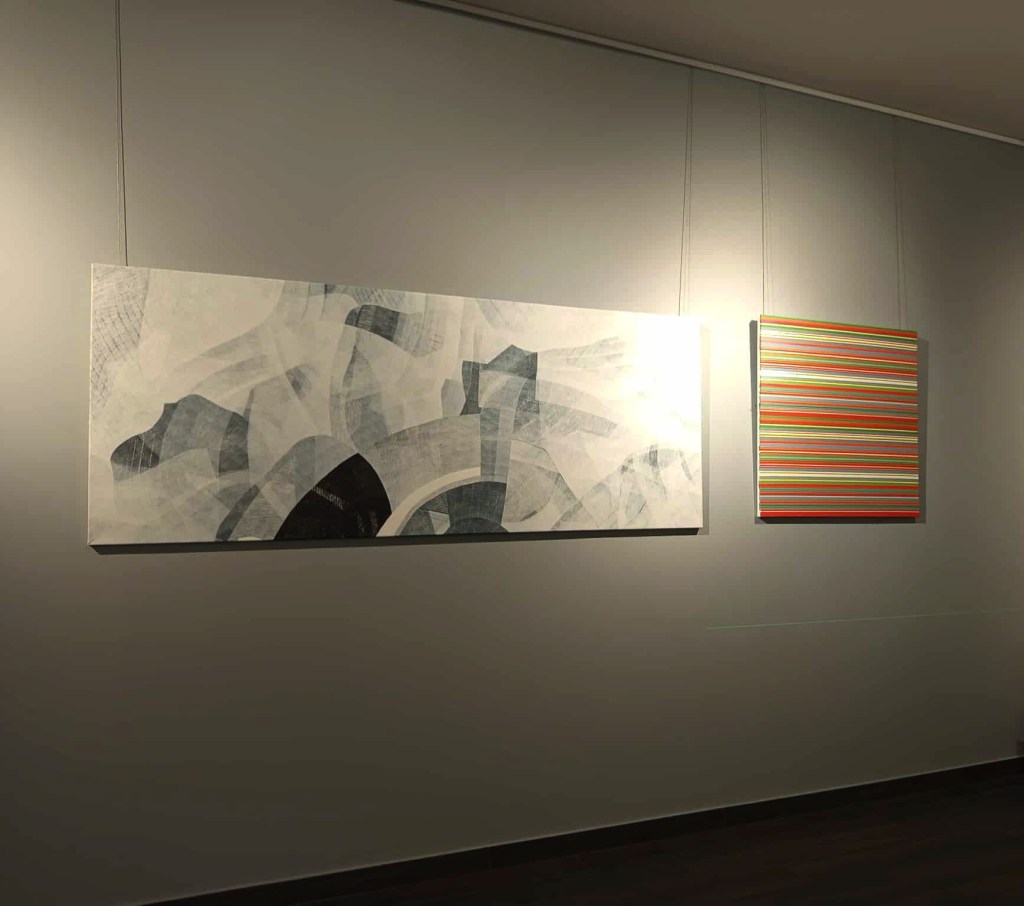
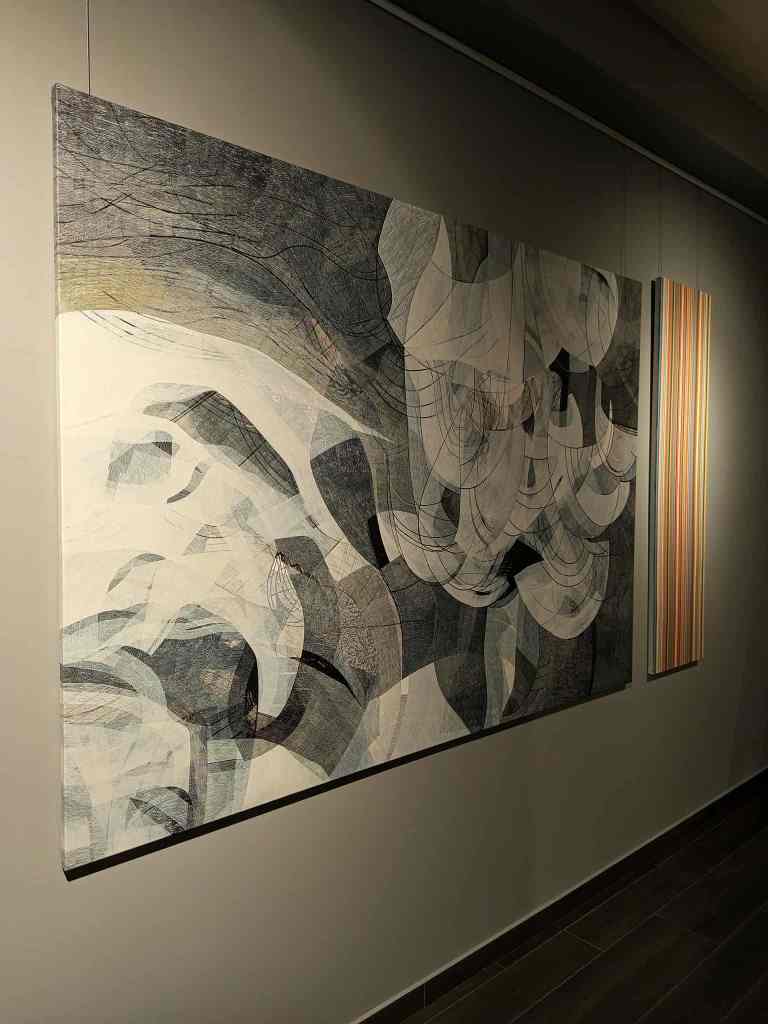
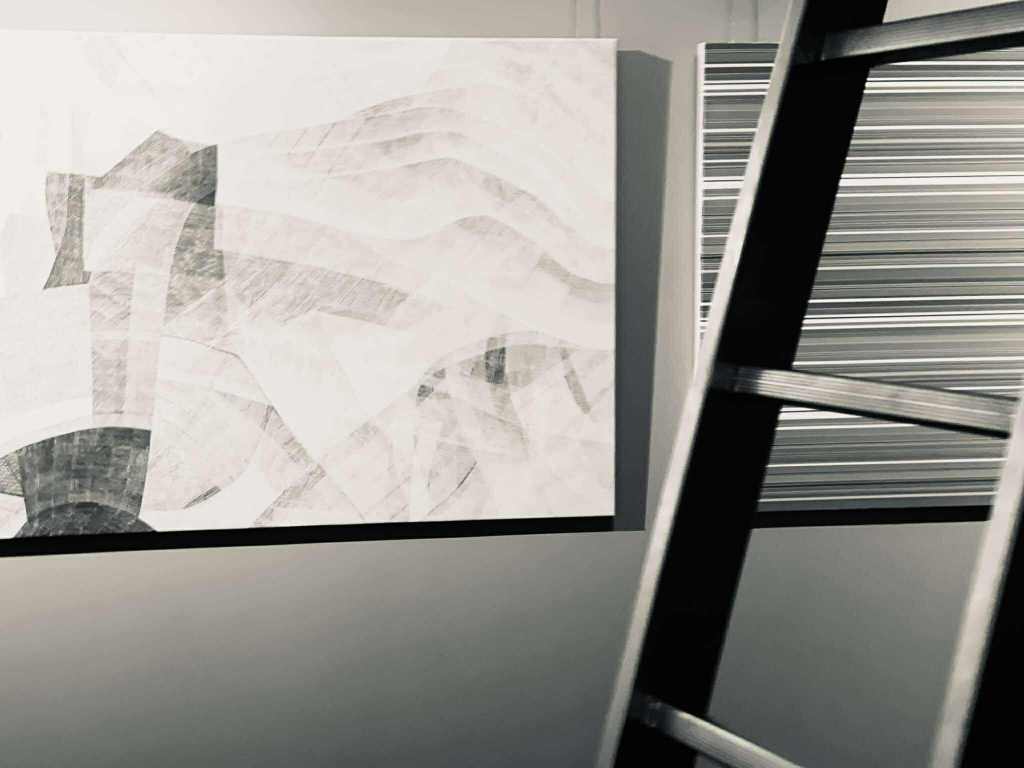
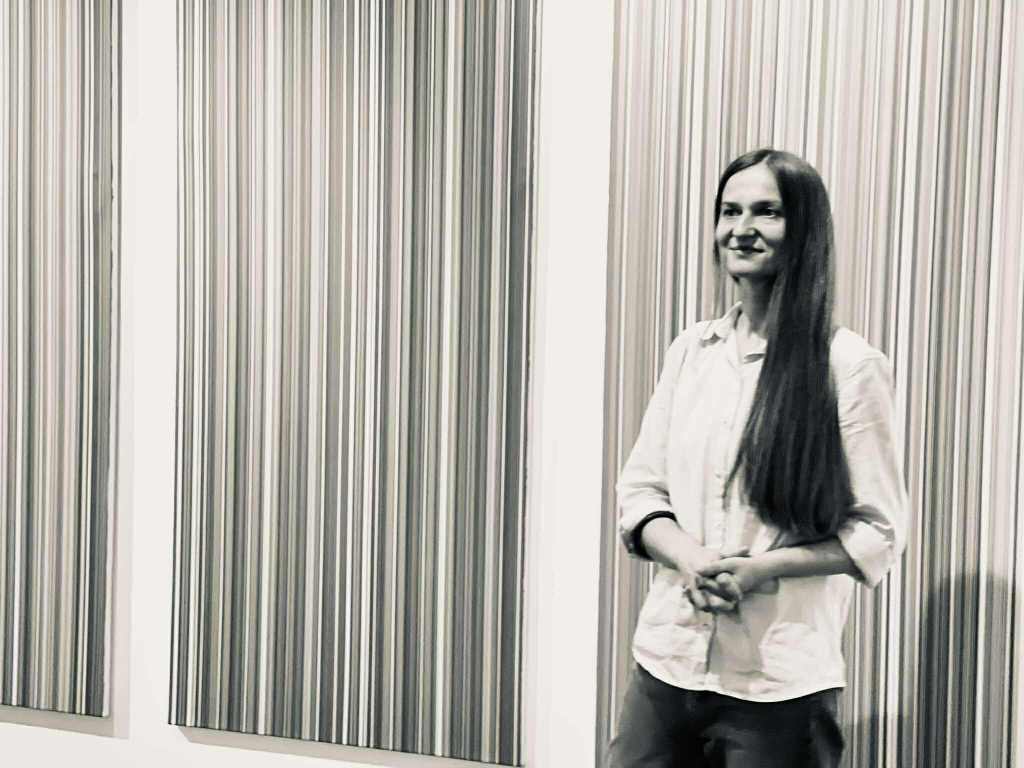
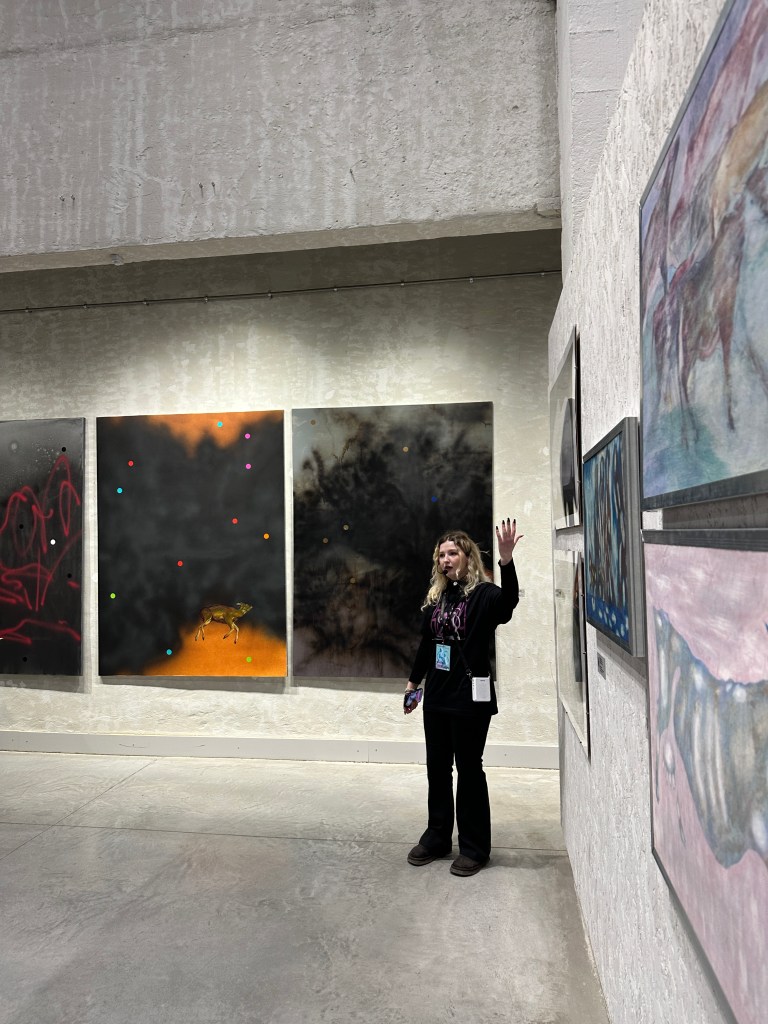
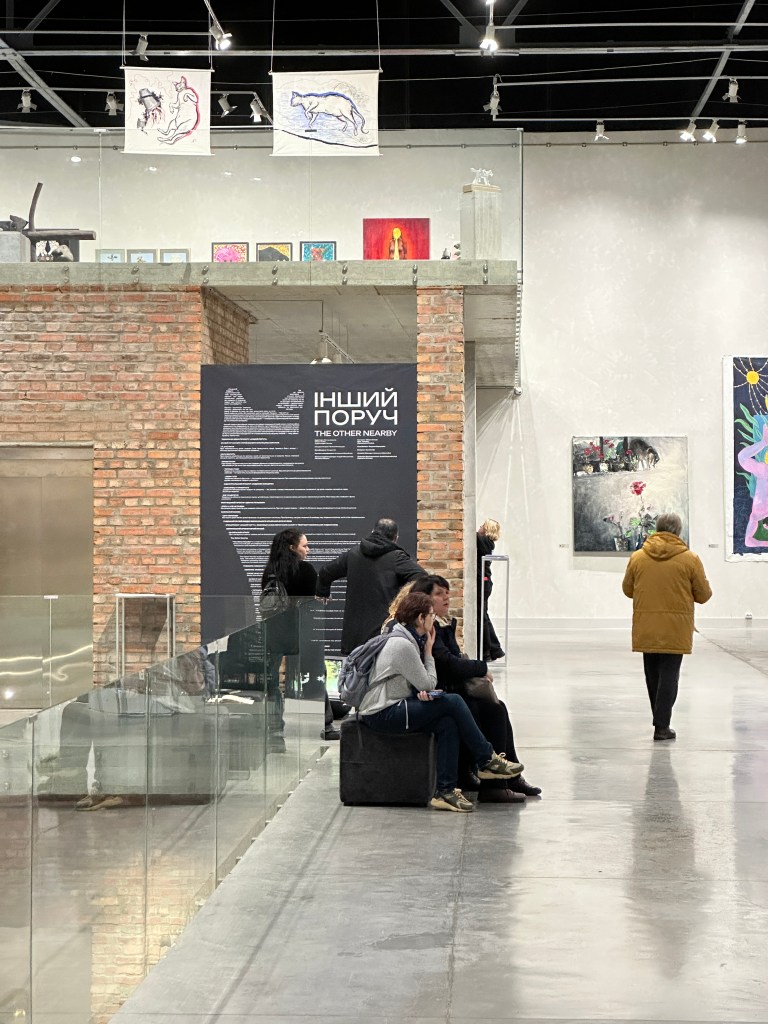
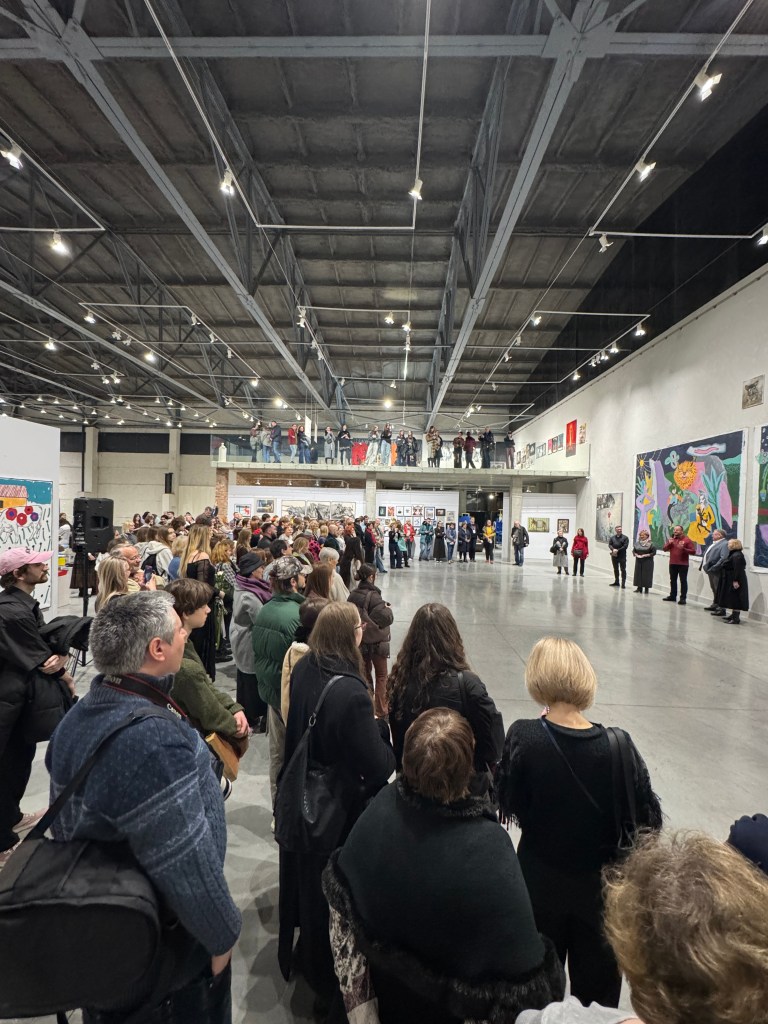
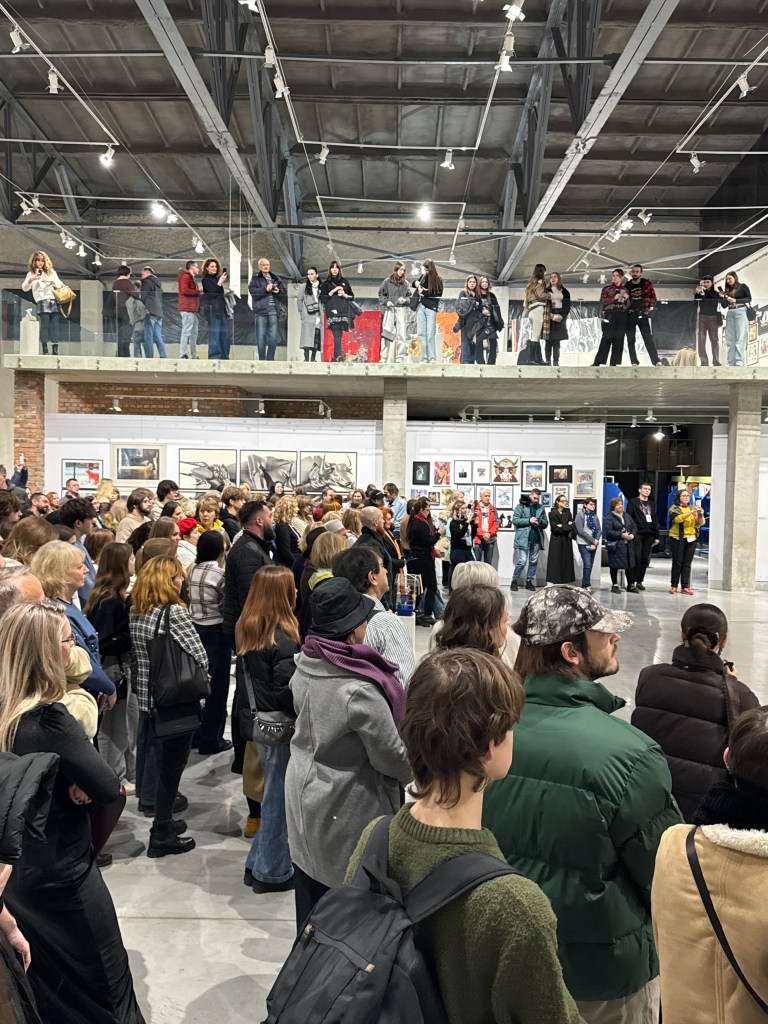
2025, “The Other nearby” project, Korsak Museum of Contemporary Ukrainian Art, Lutsk, Ukraine
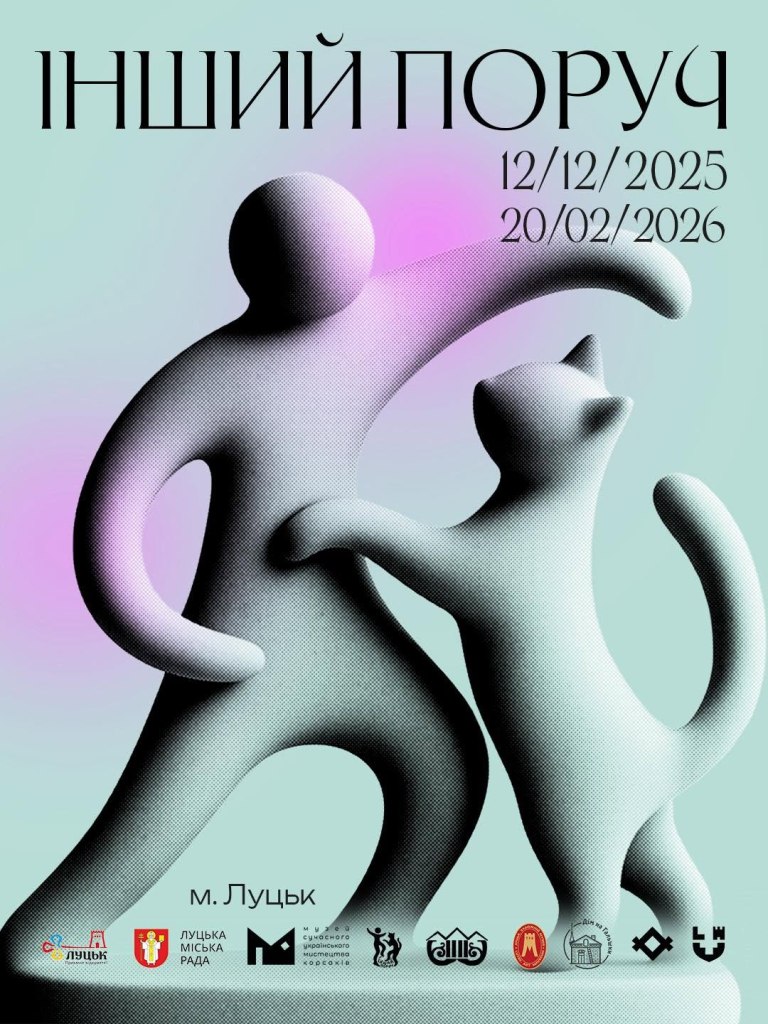
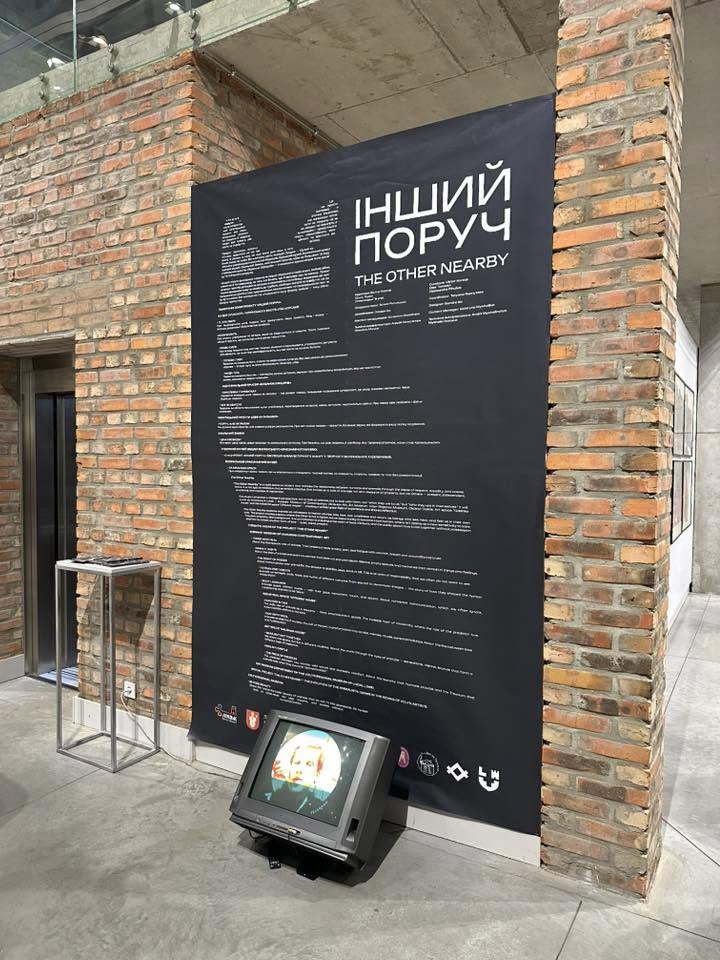
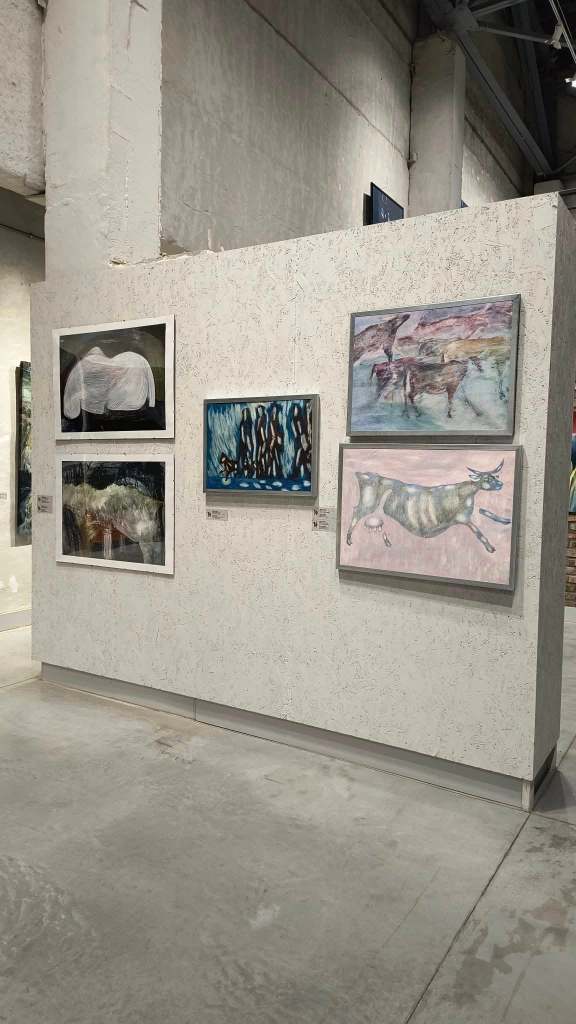
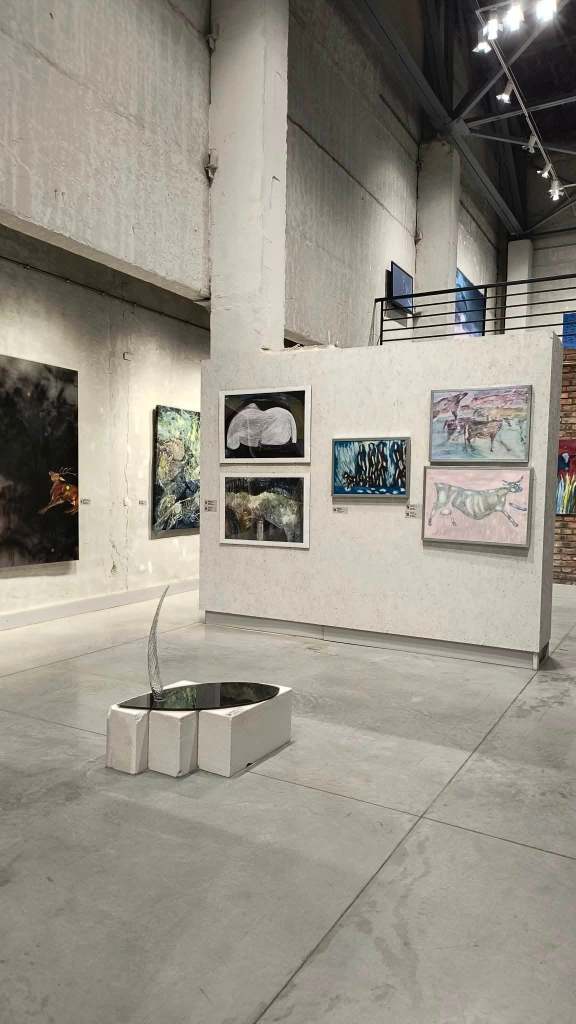
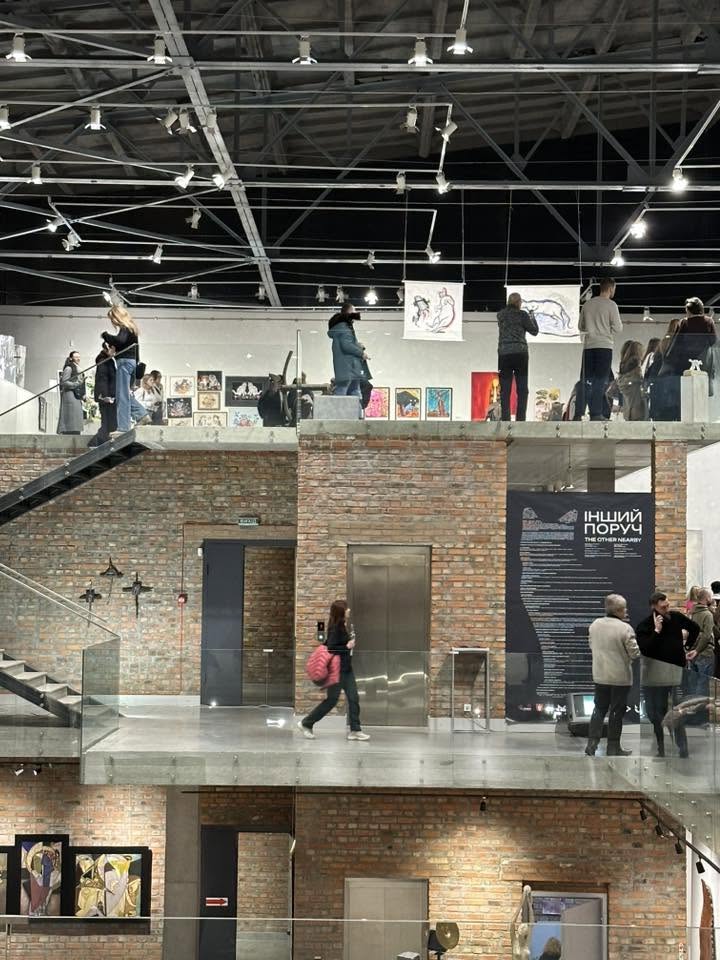
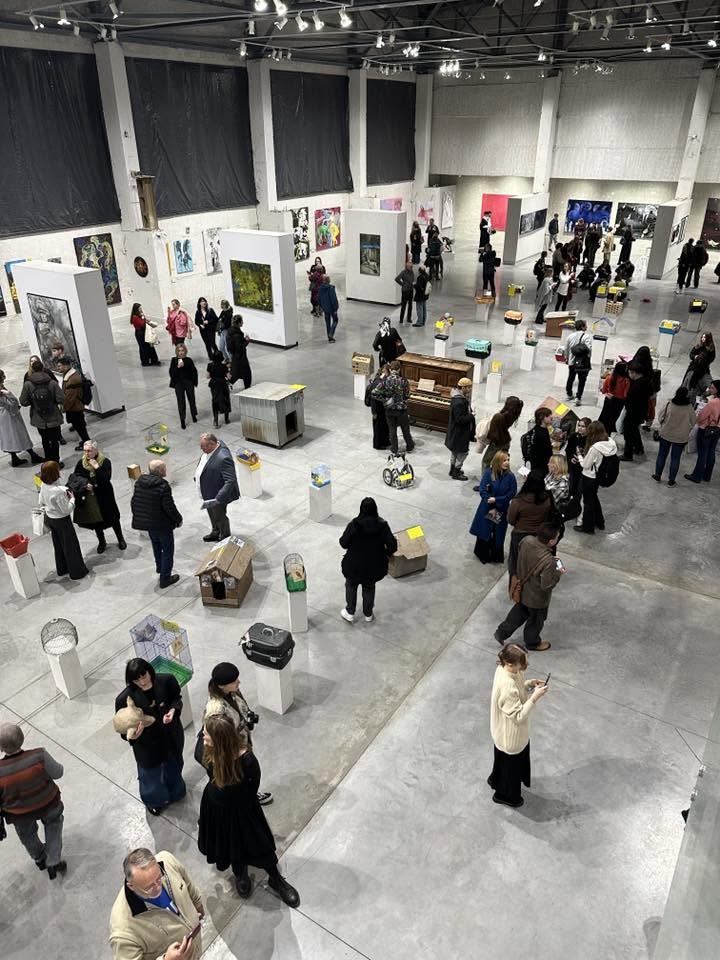
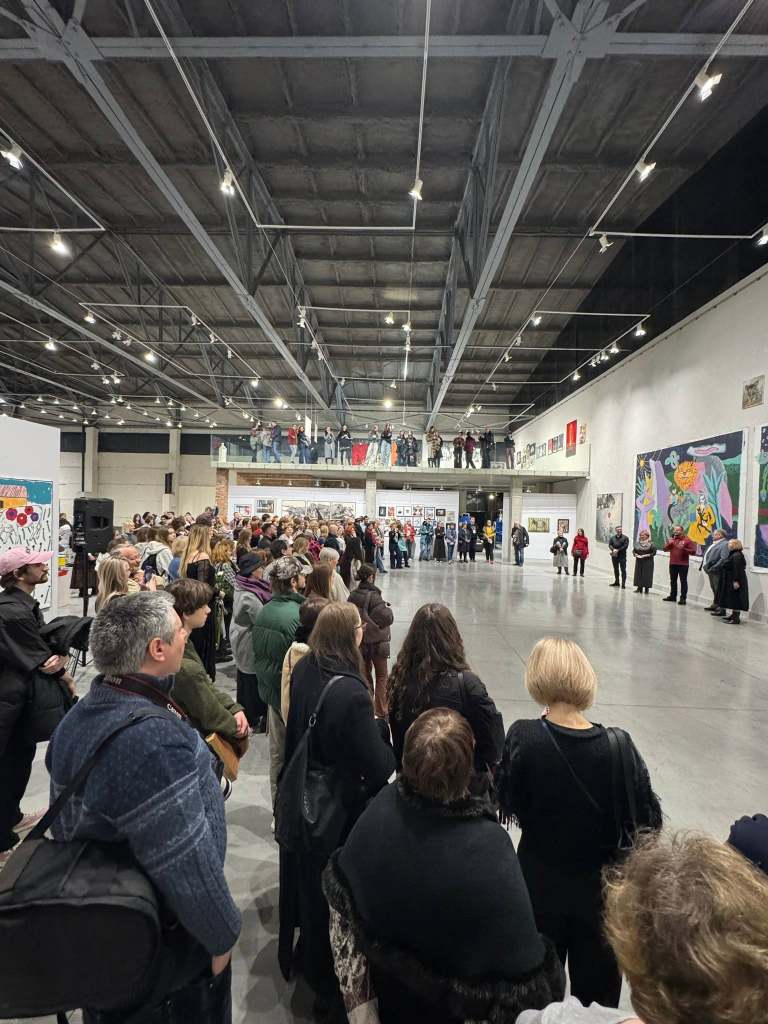
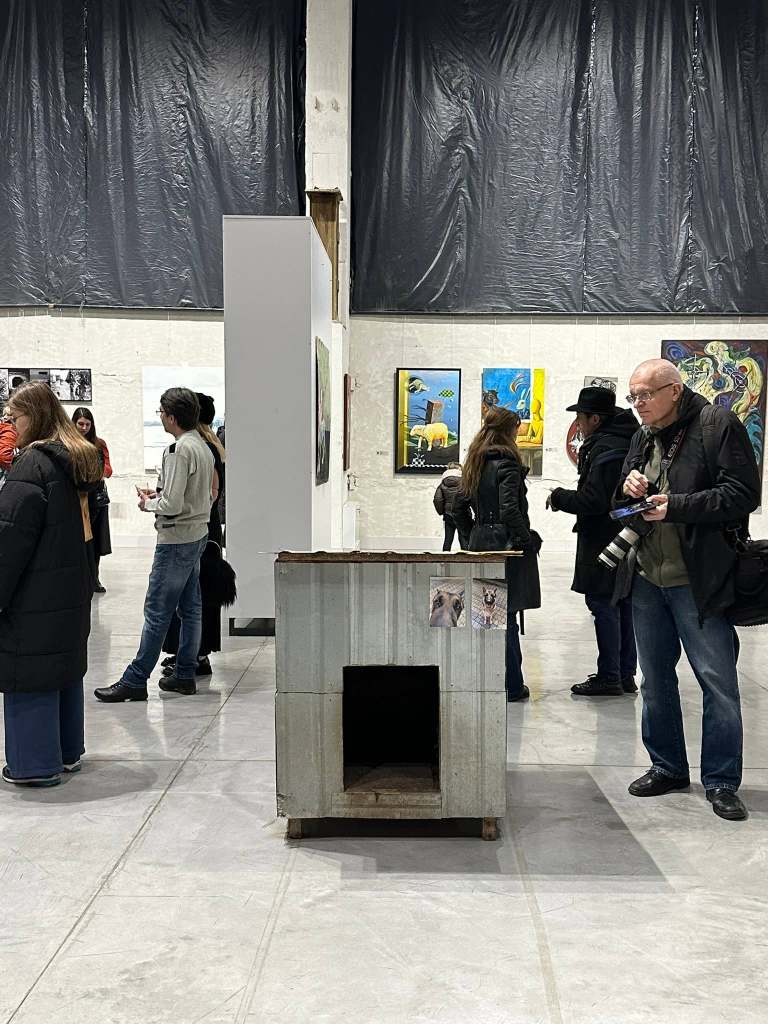
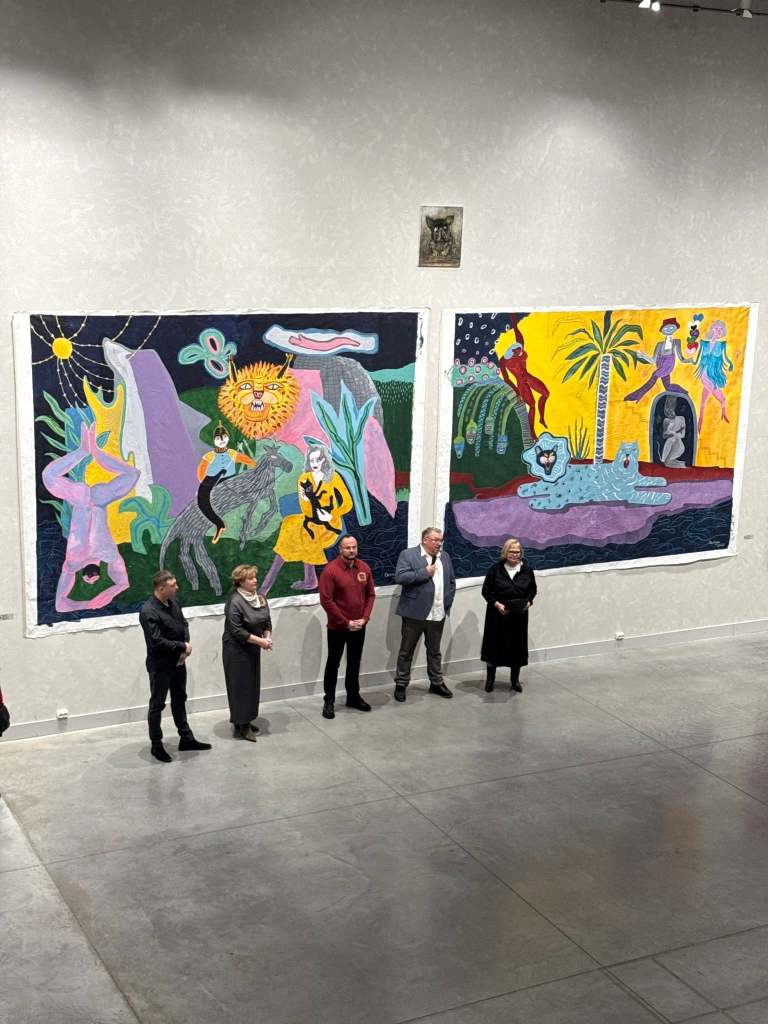
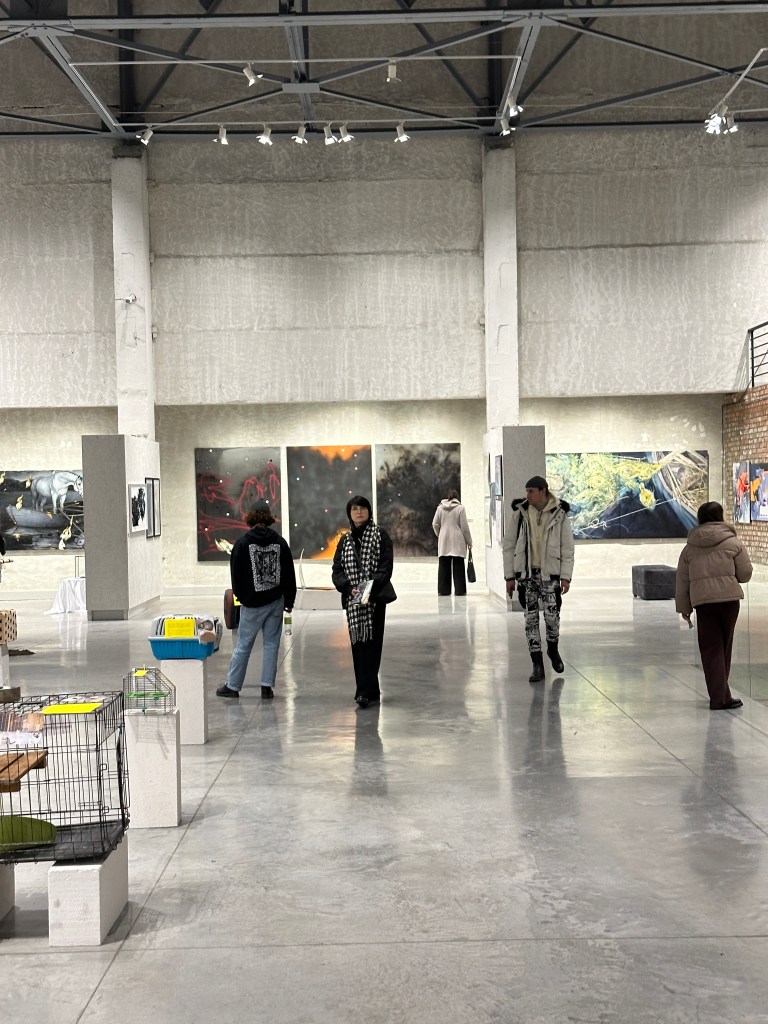
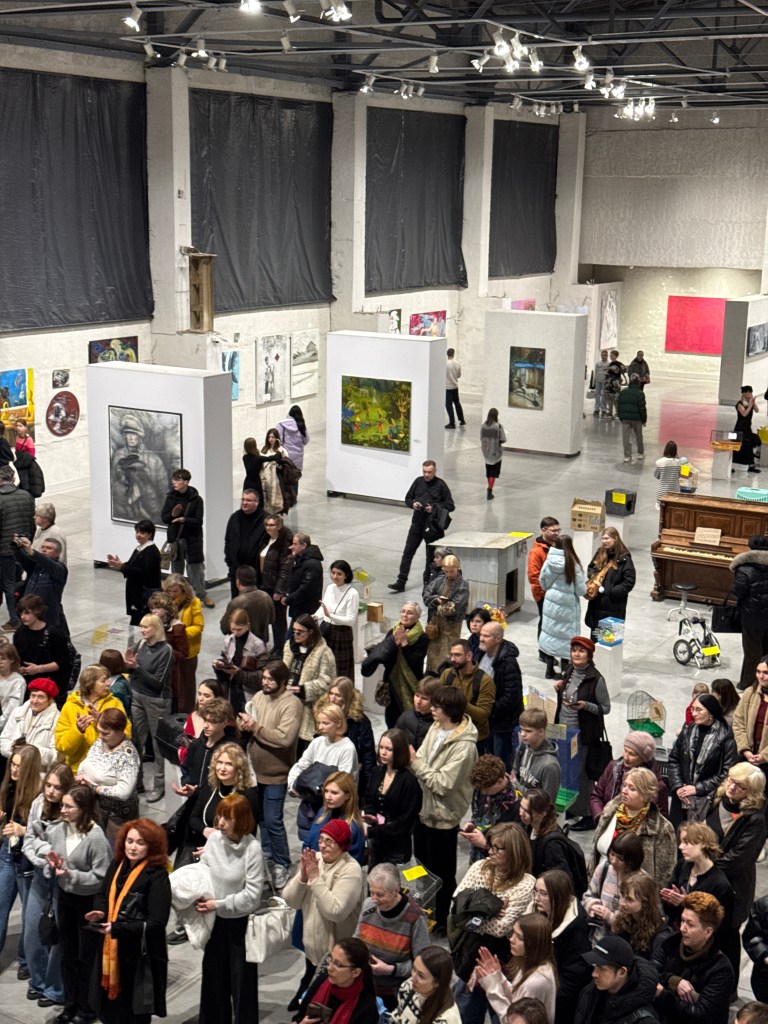
2025, “Crossword the Line” project, Mriya Gallery and Rukharthub, New York, USA
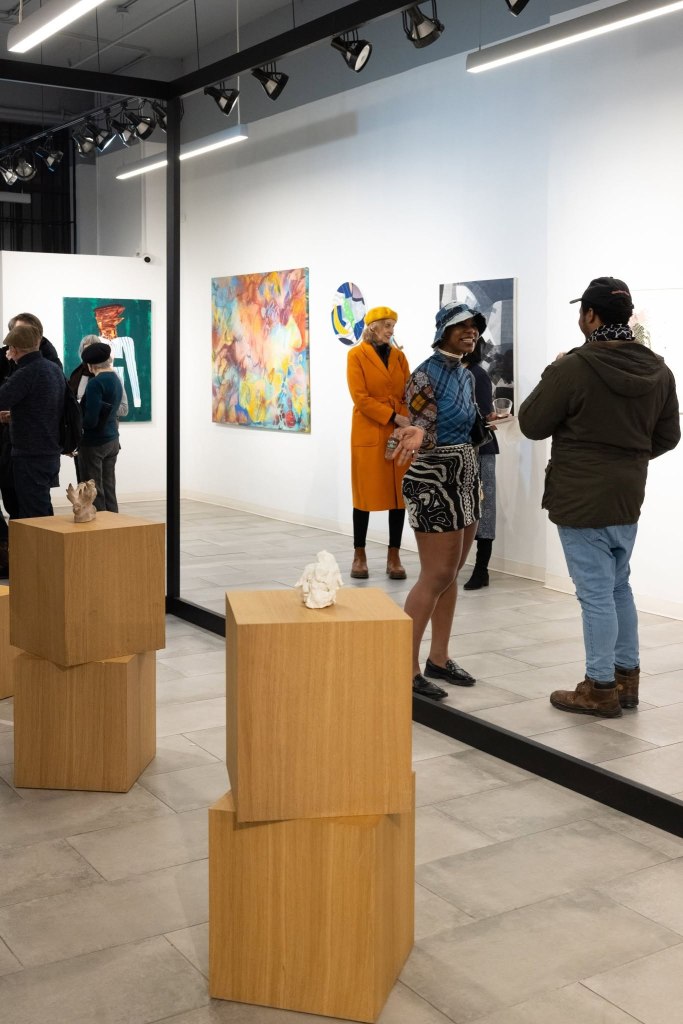
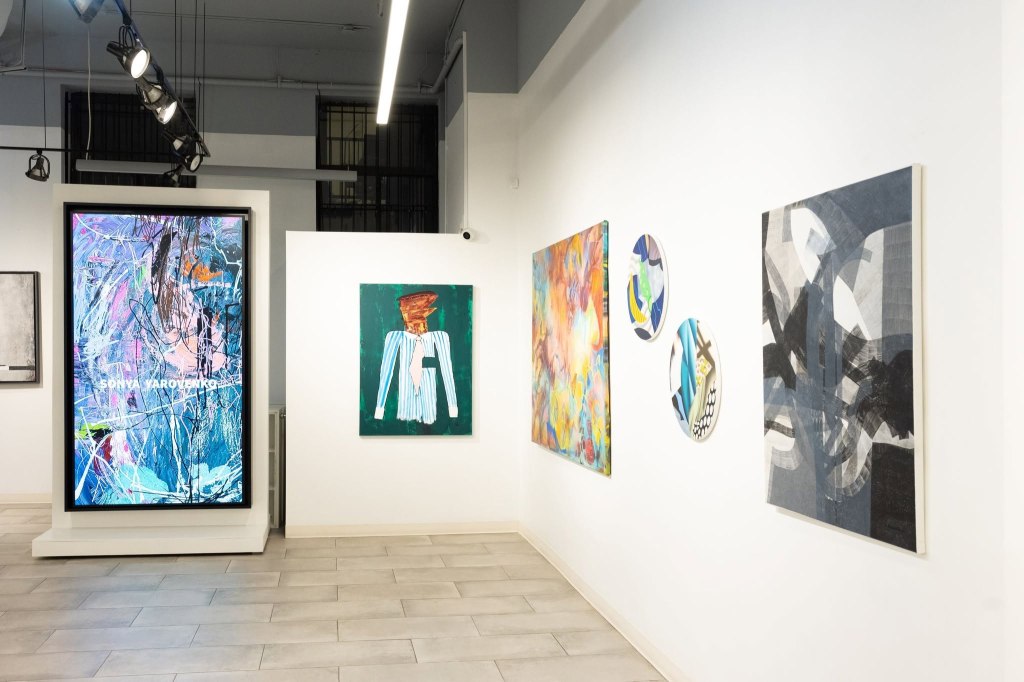
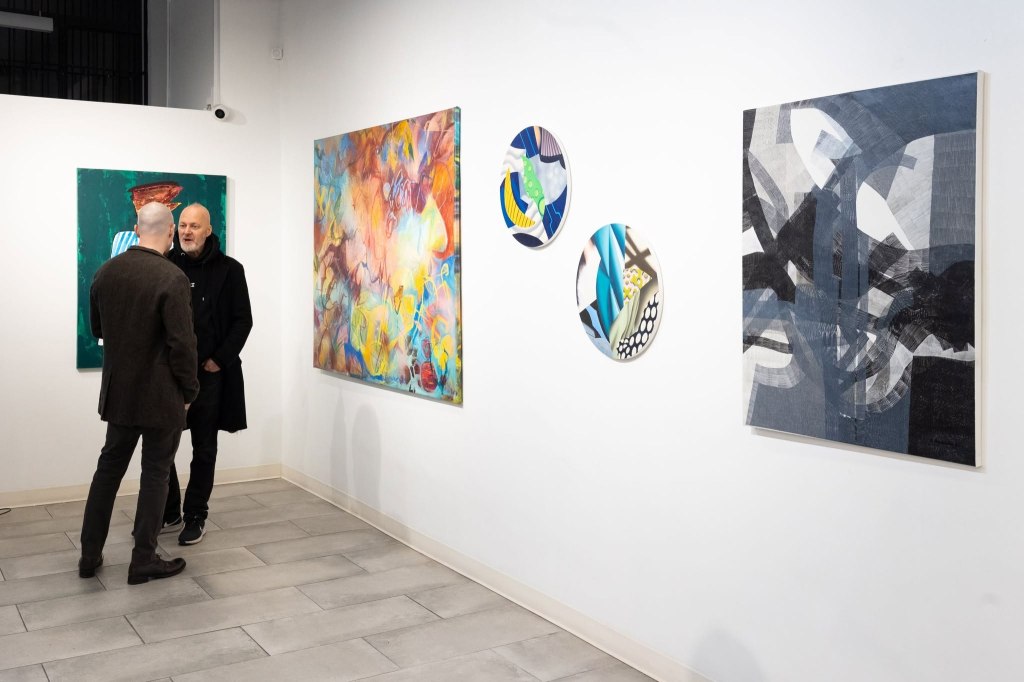
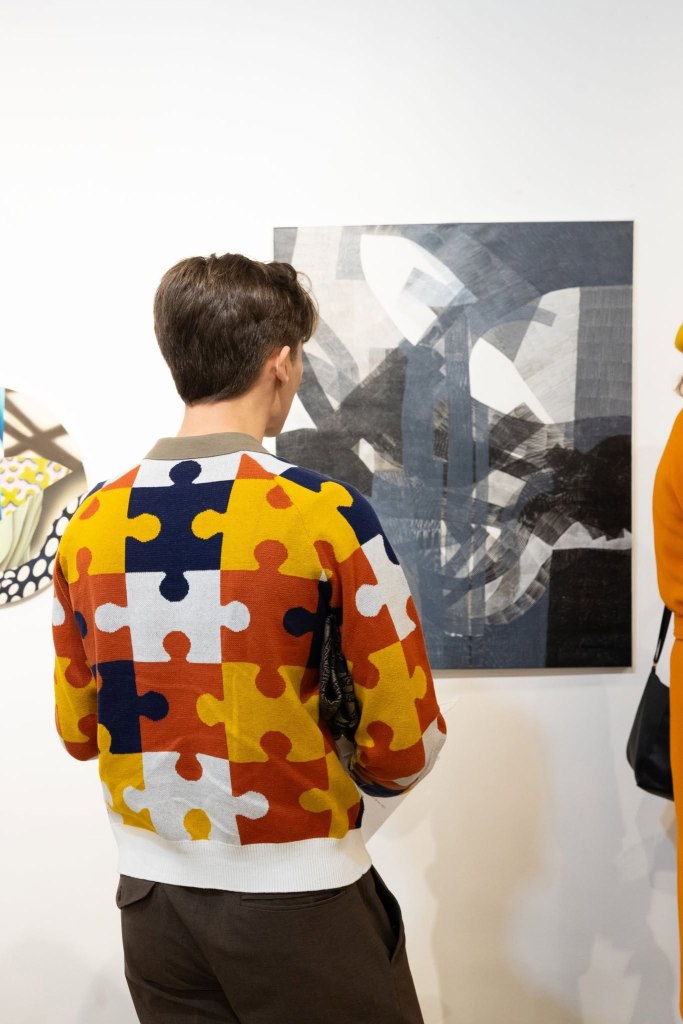
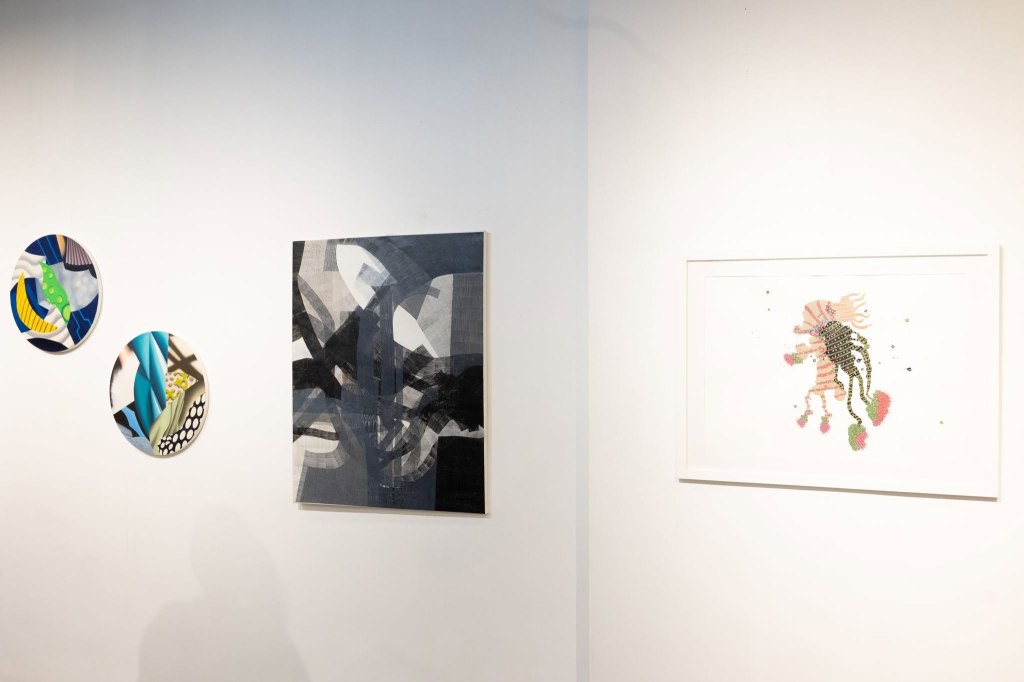
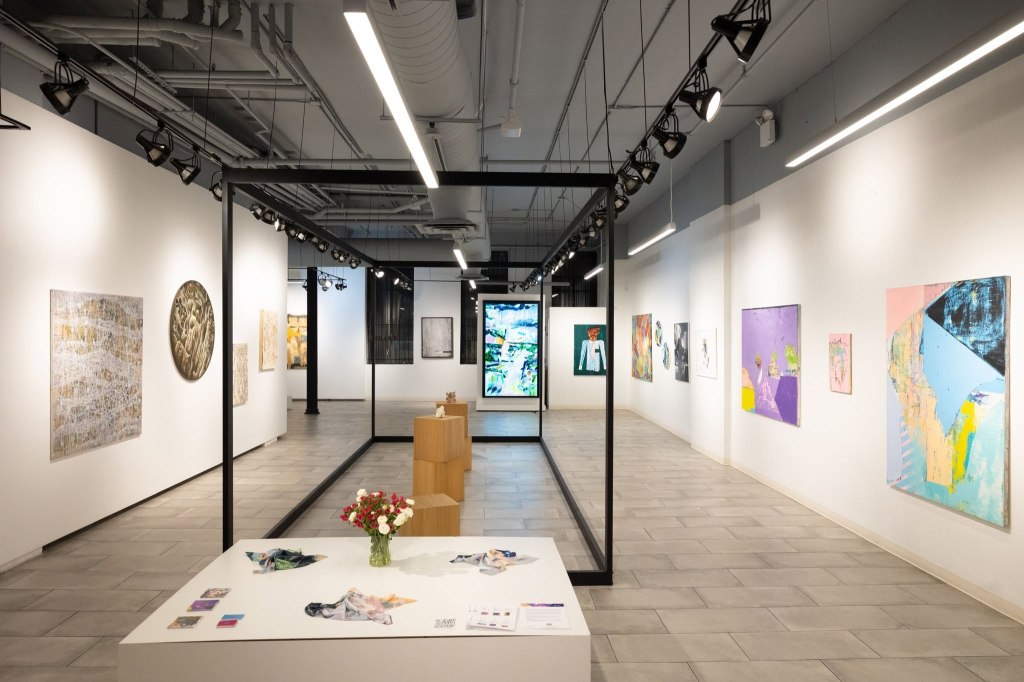
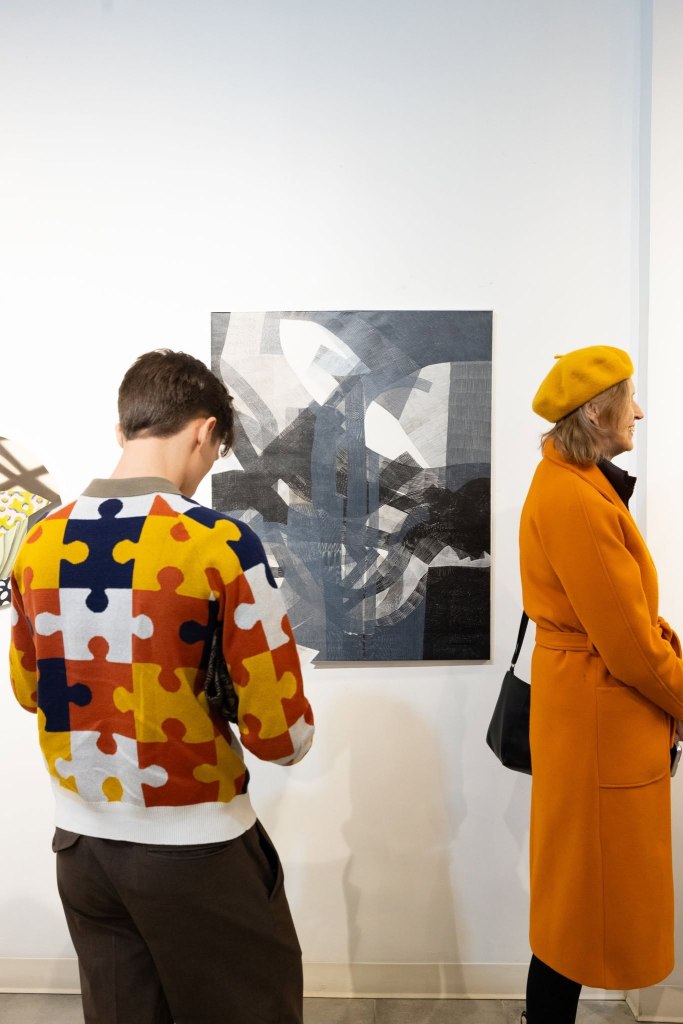
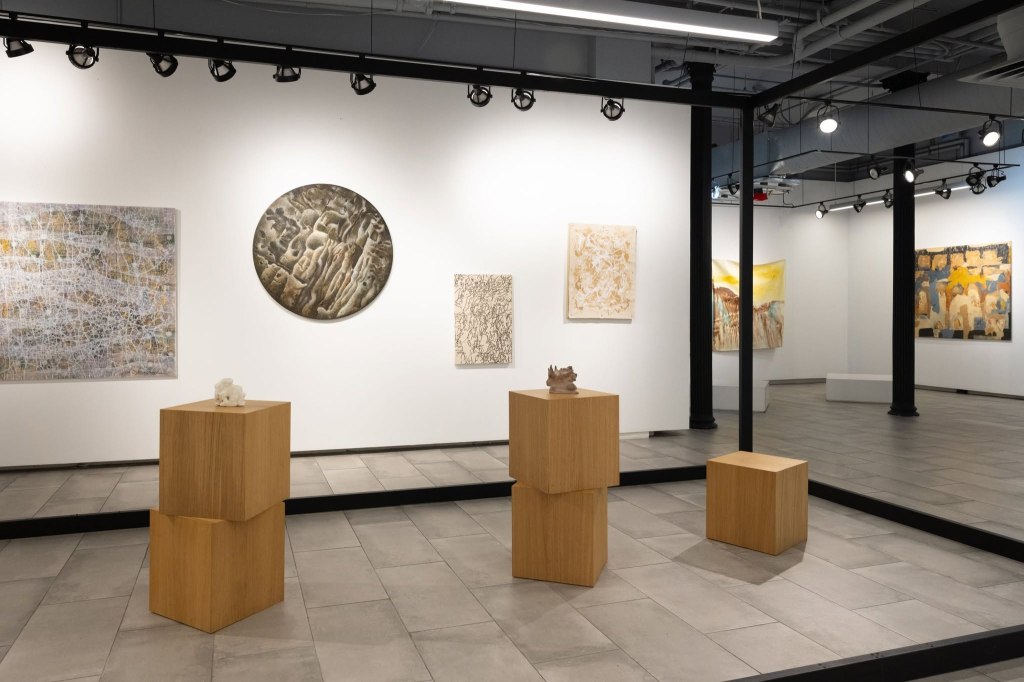
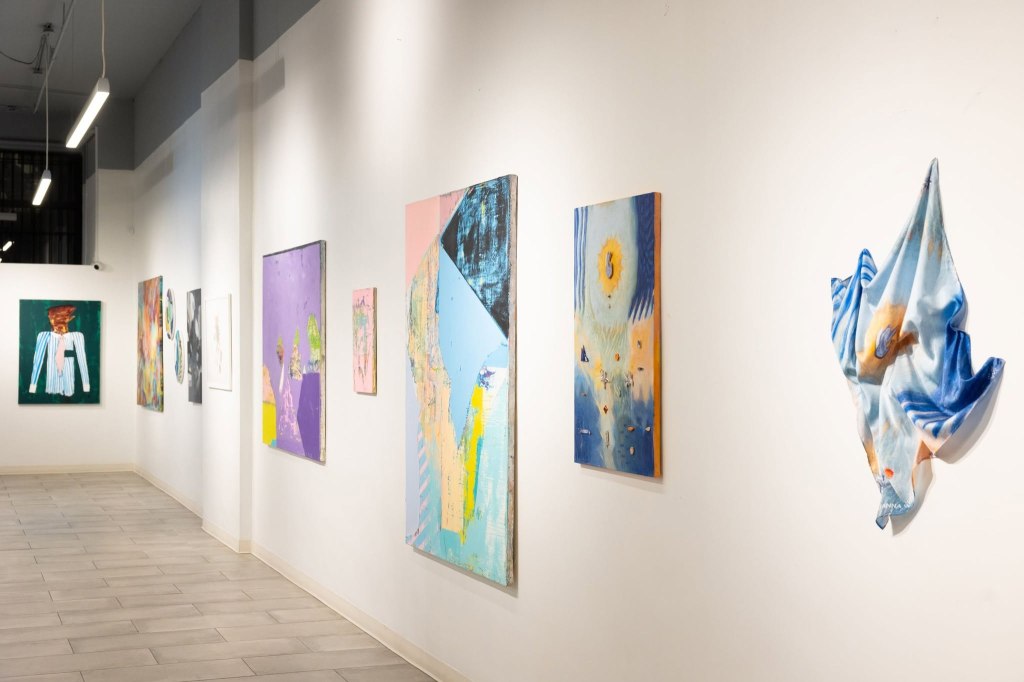
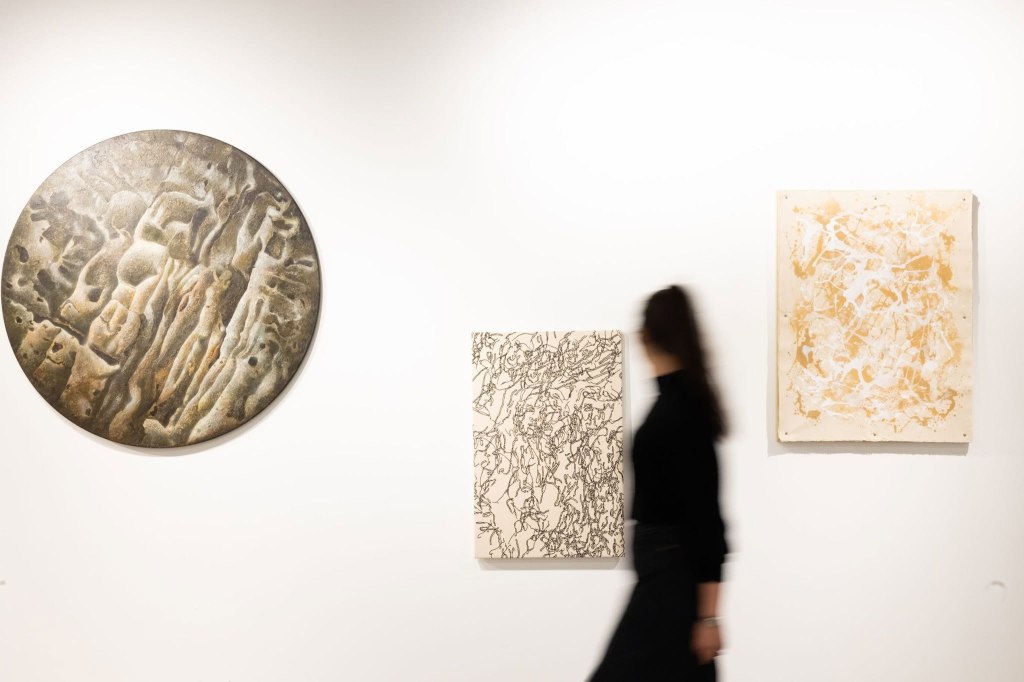
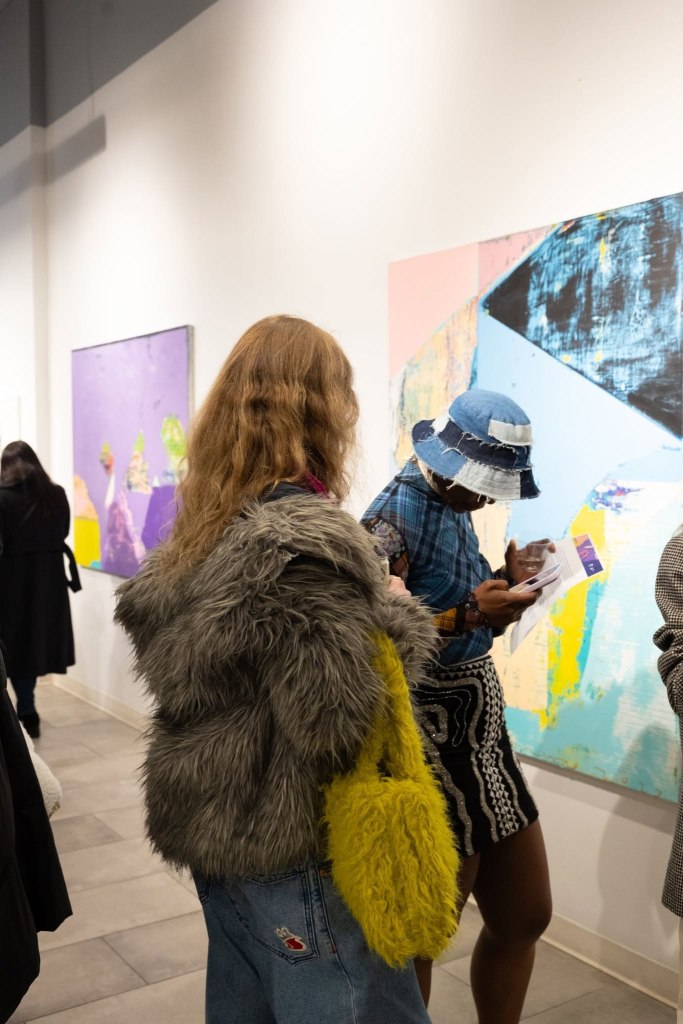
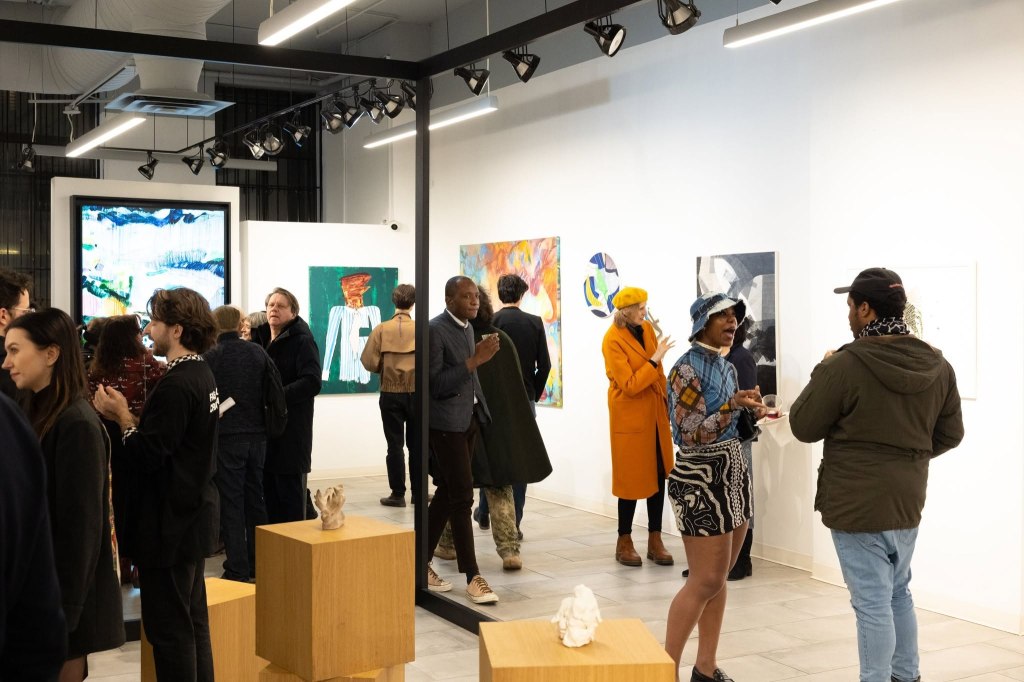
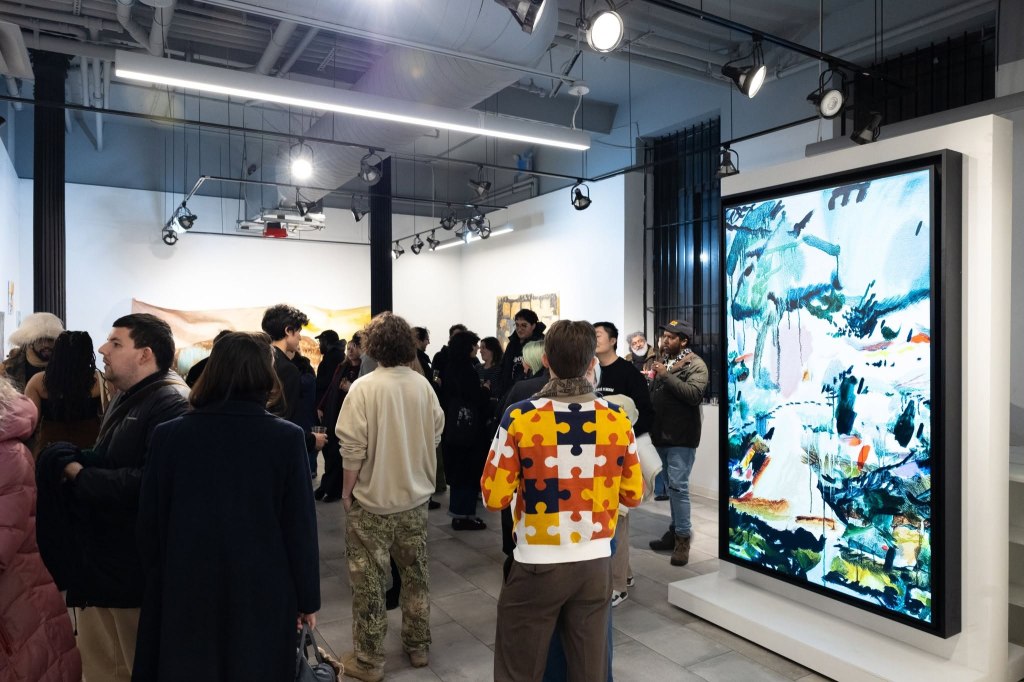
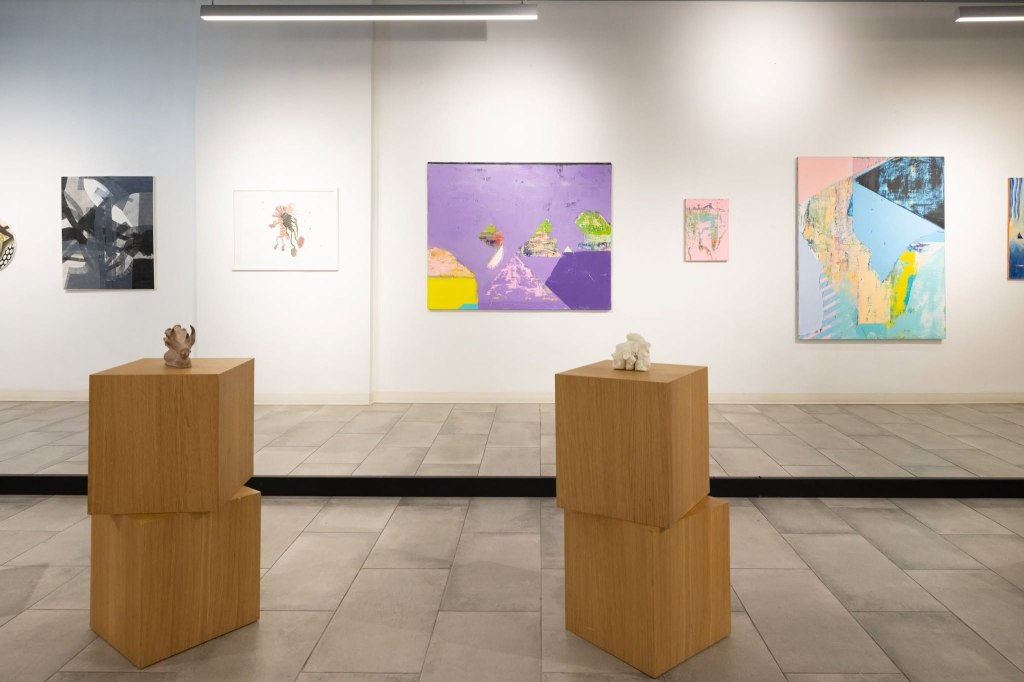
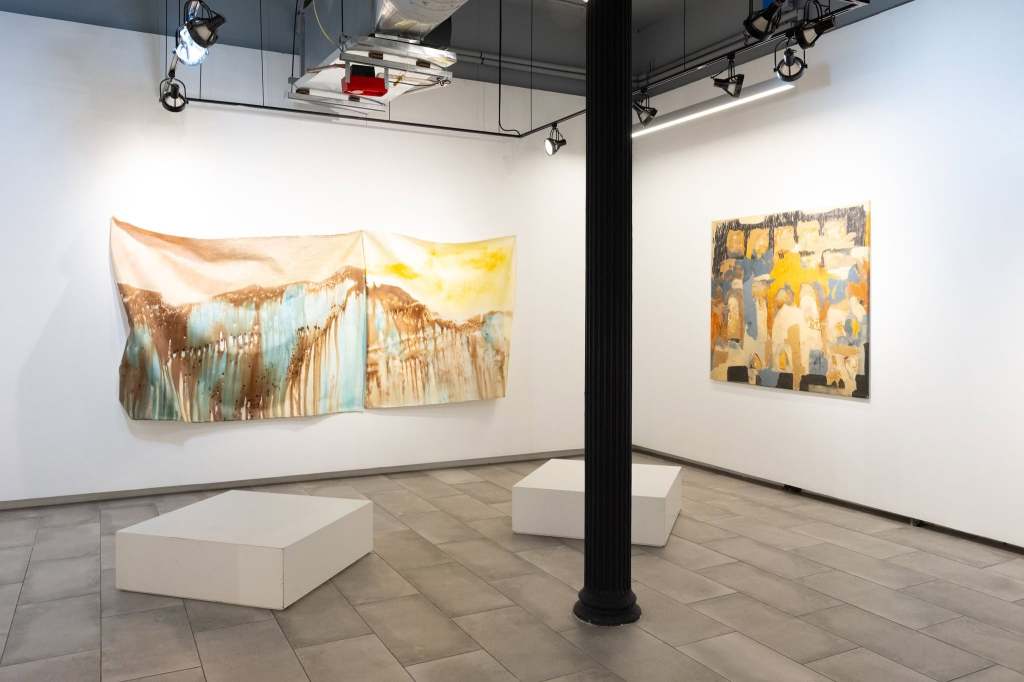
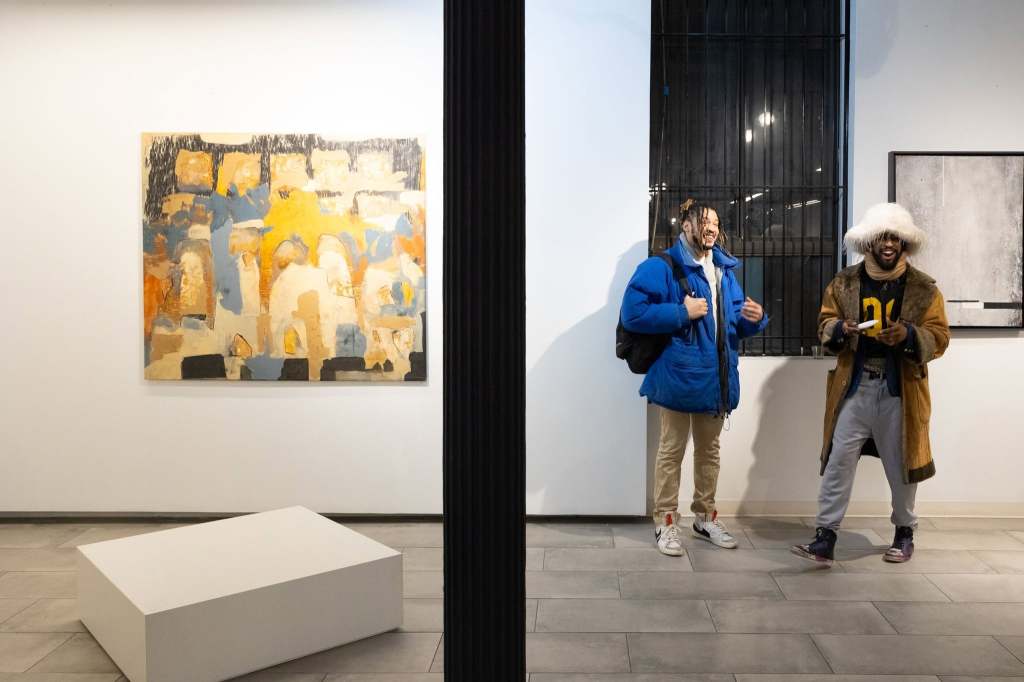
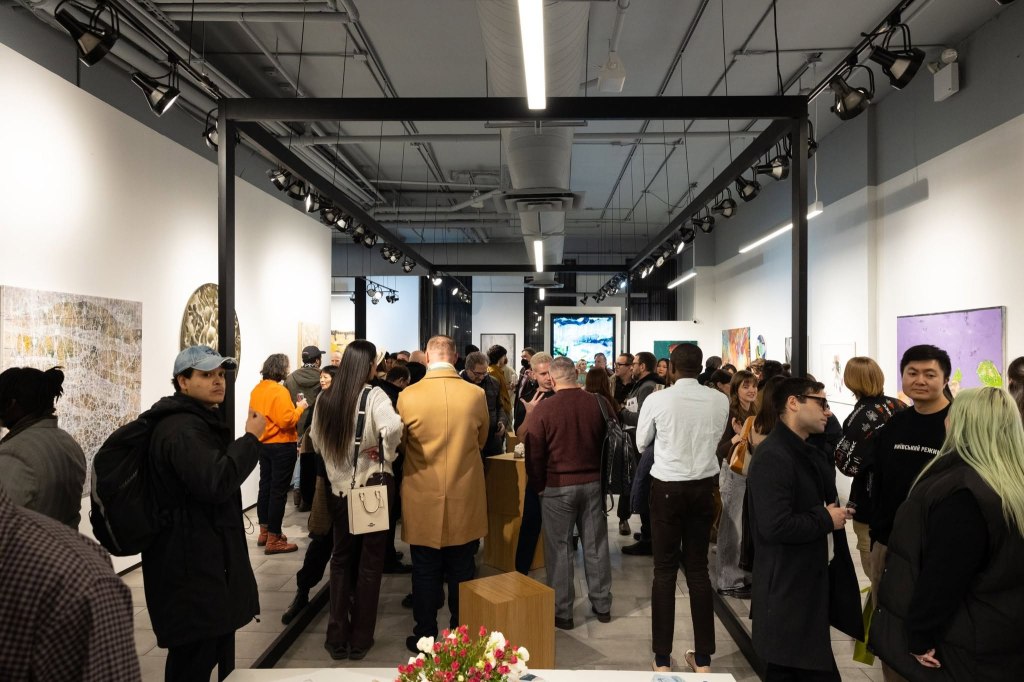
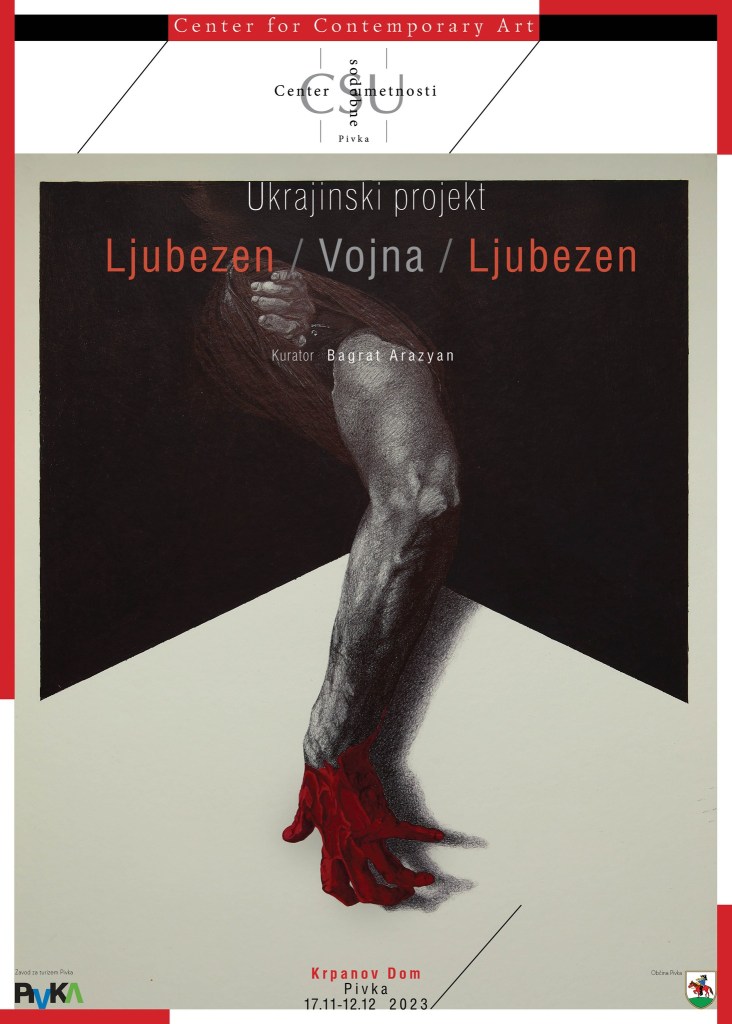
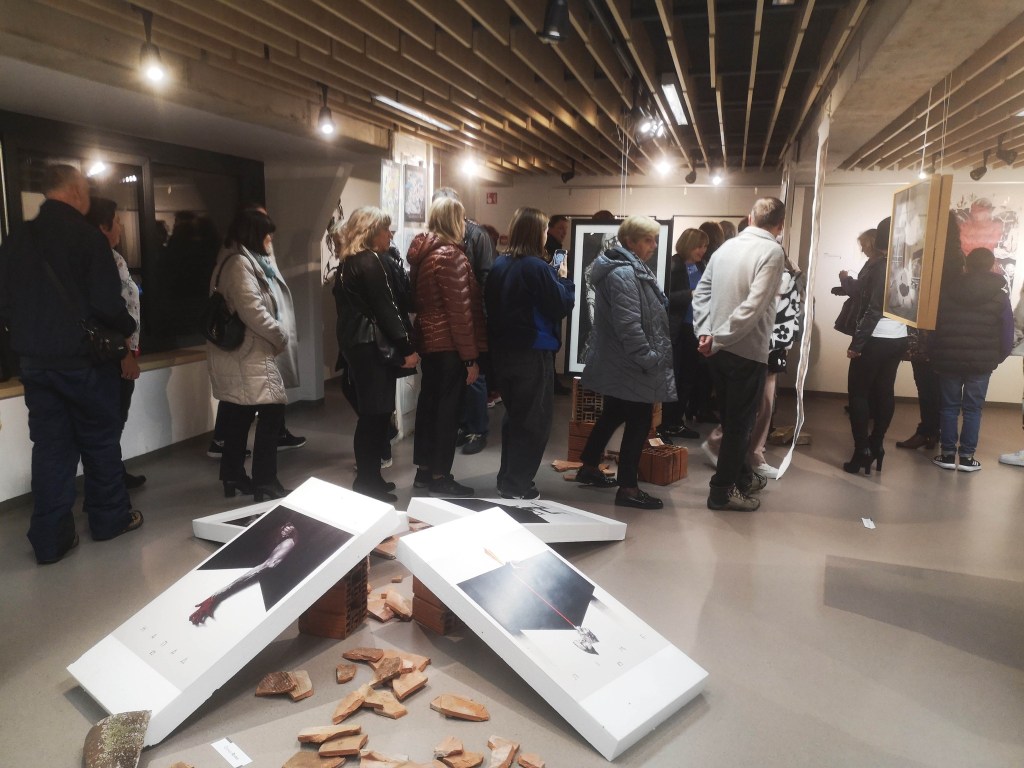
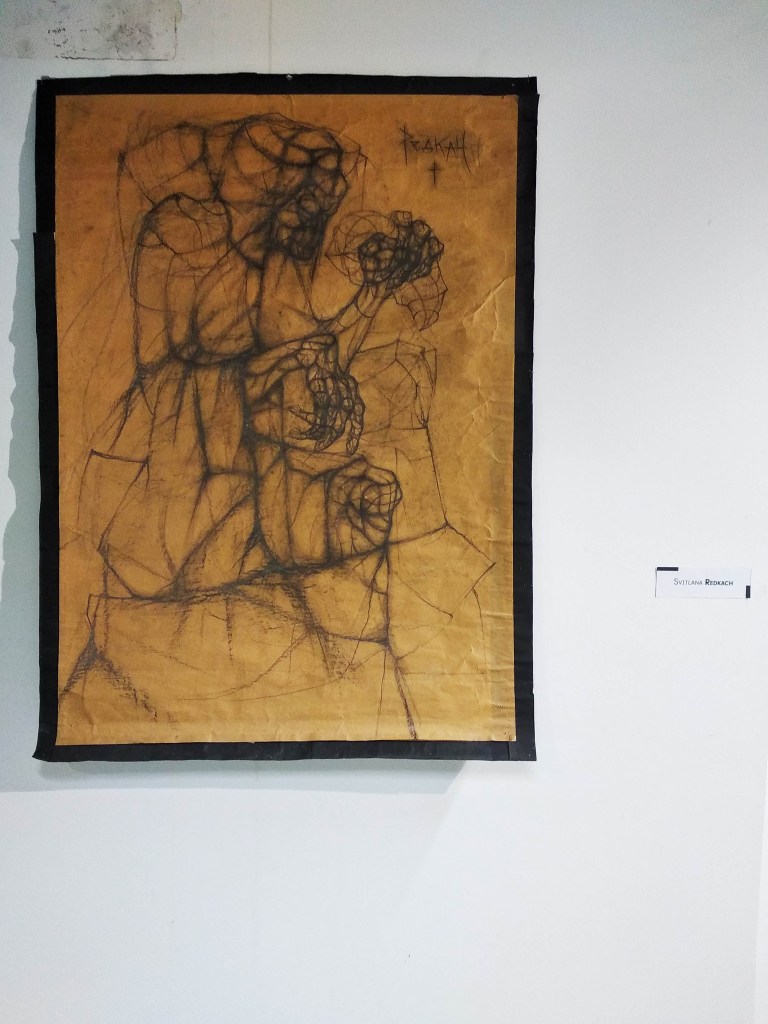
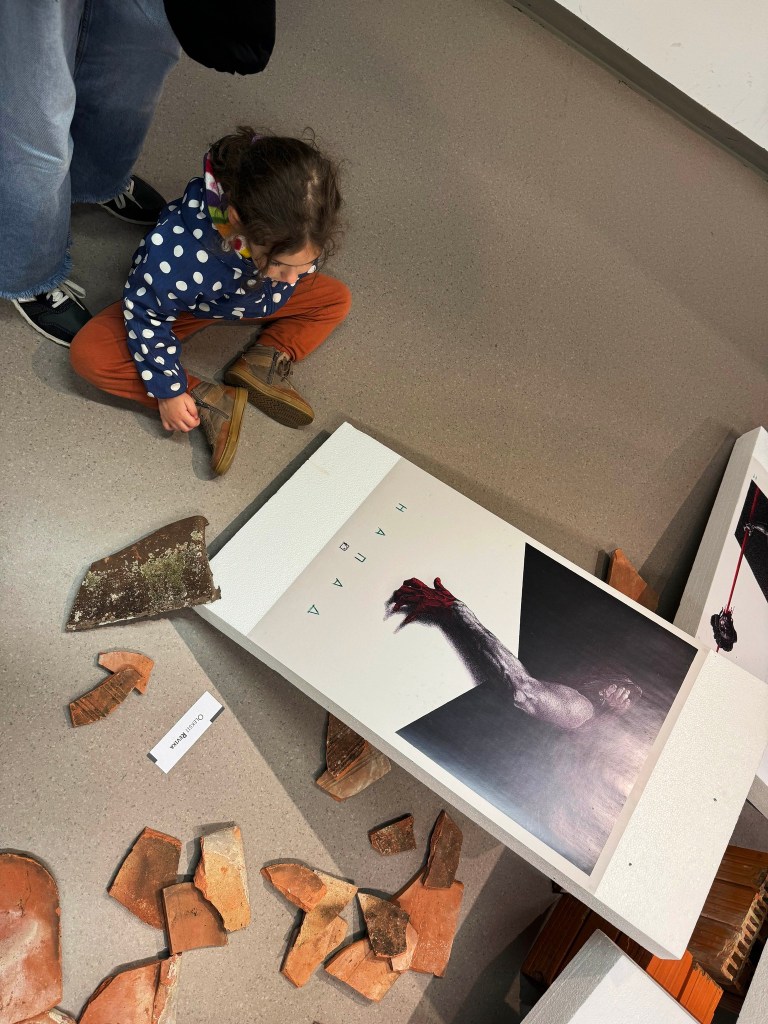
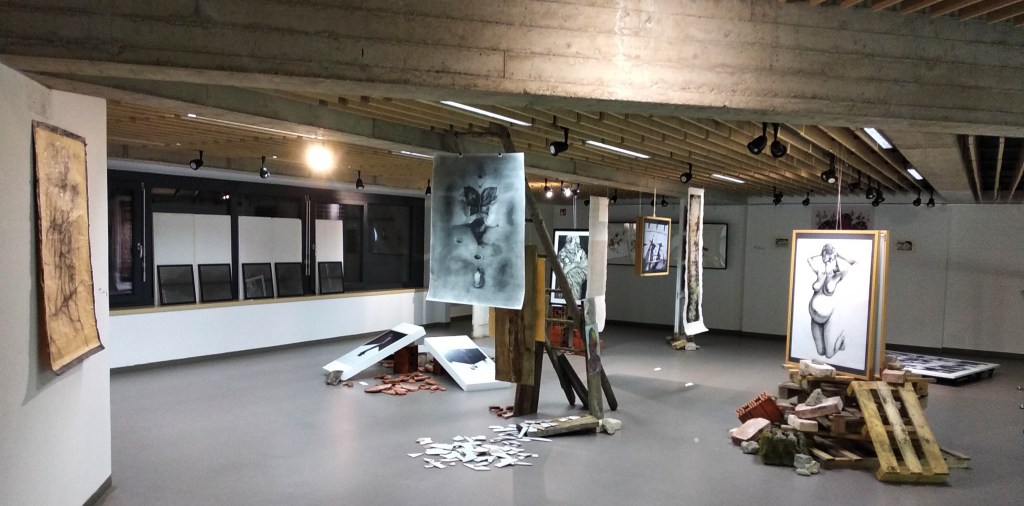
2023, Ukrainian project “Love / War / Love” at the 12th International Fine Art Festival Kranj, Slovenia
Curator Bagrat Arazyan. Participants: Eduard Belsky; Edik Belsky; Victor Khomenko; Olga Kopeleva; Natalia Korf-Ivaniuk; Oleksandr Zhyltsov; Ave Libertatem; Natalia Lisova; Anna Mironova; Nina Murashkina; Svitlana Redkach; Oleksii Revika; Tetiana Saienko; Polina Verbyts’ka; Oleksandra Voronina; Albina Yaloza; Elga Zefirova.
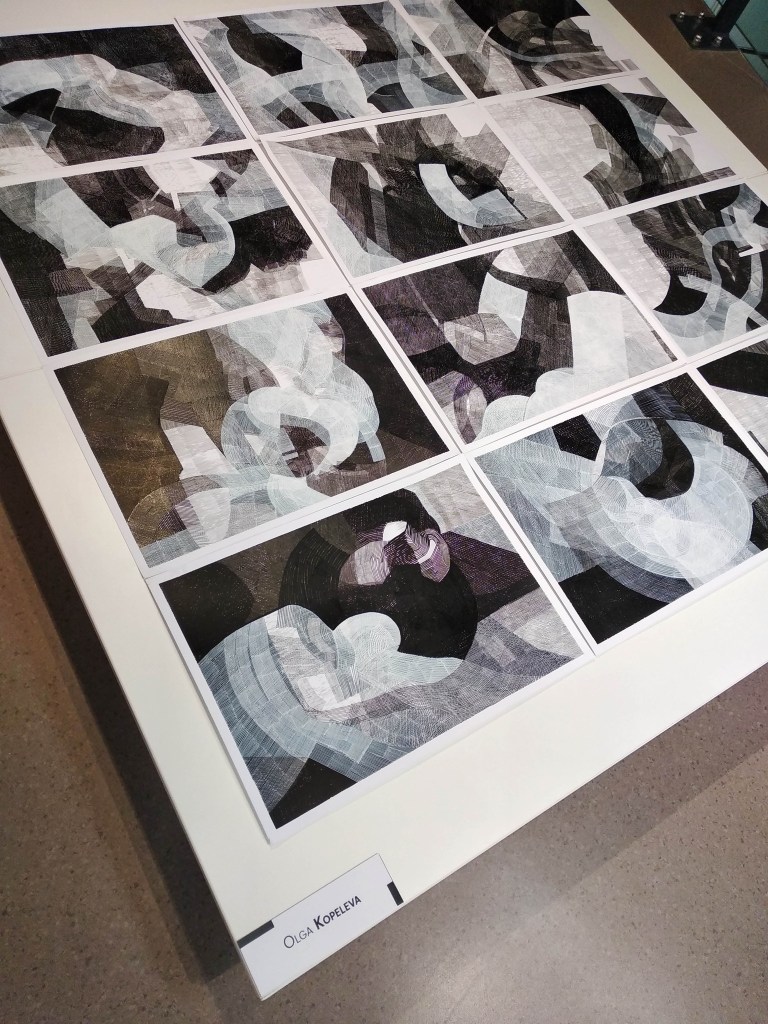
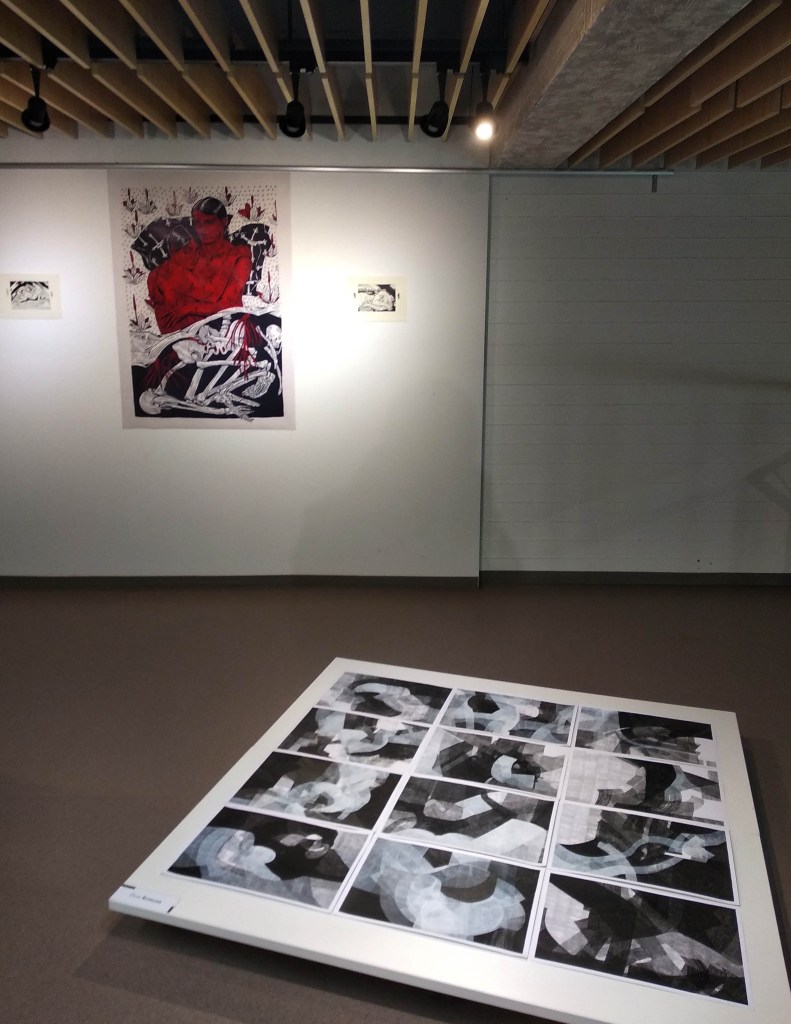
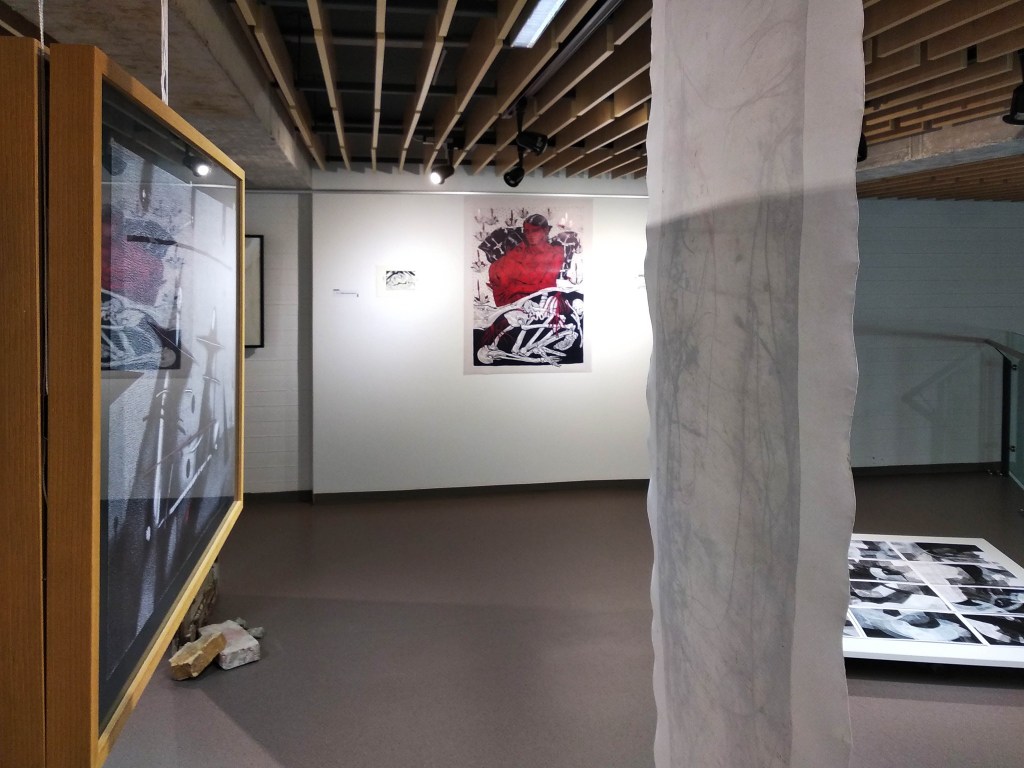
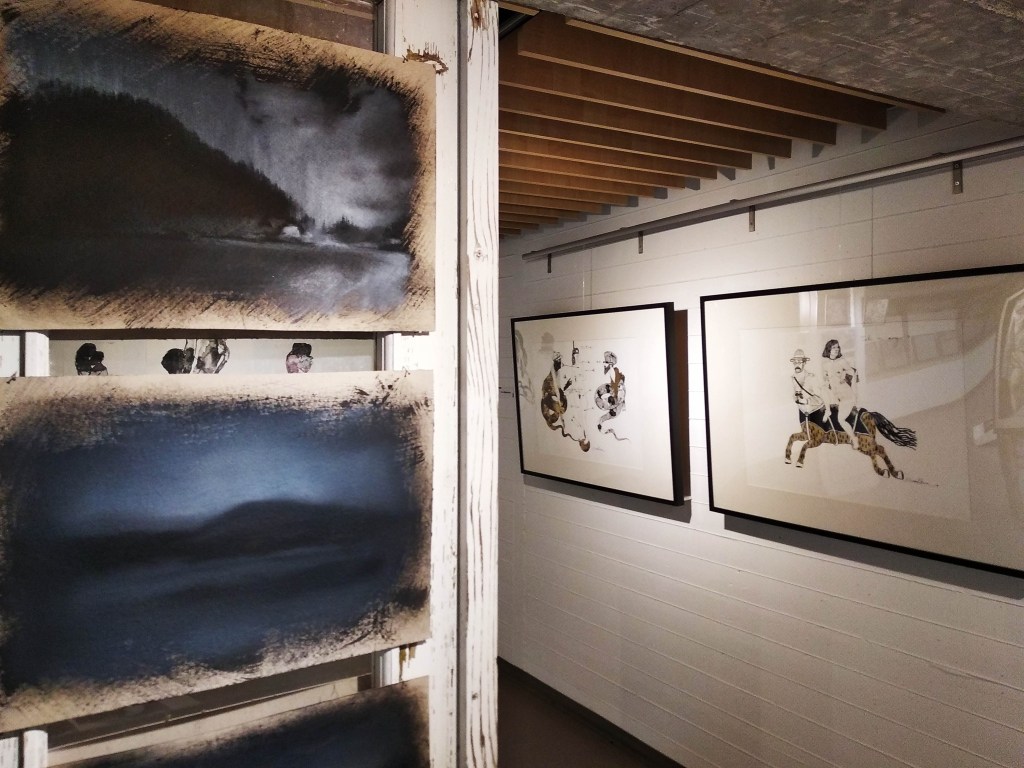
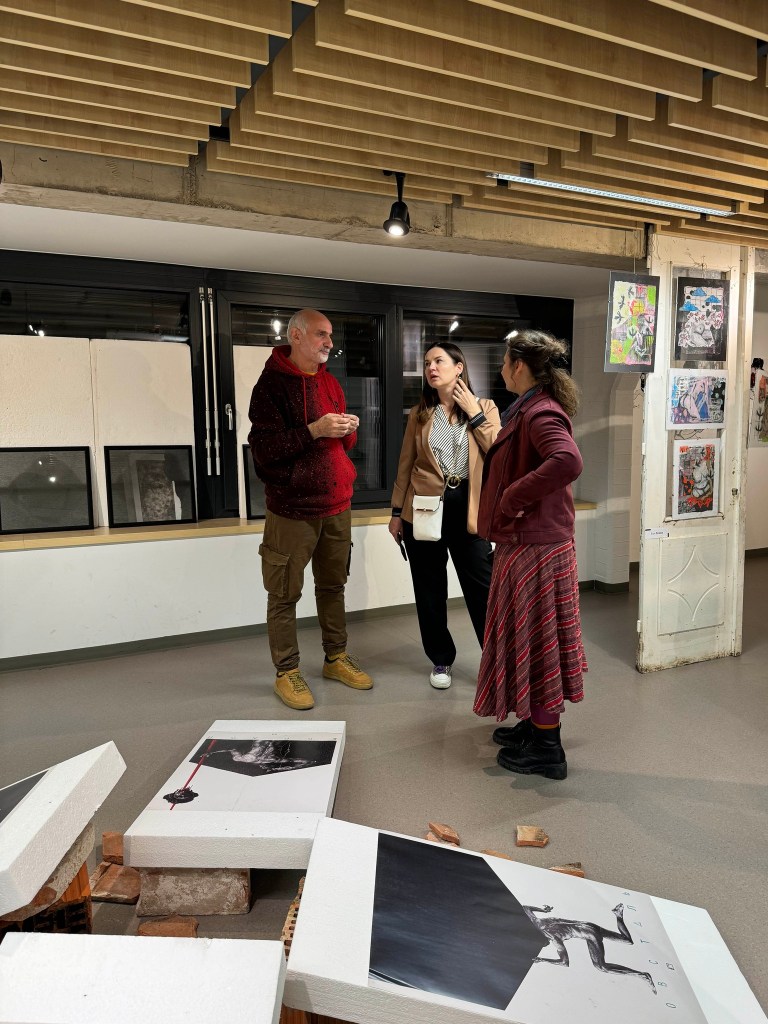
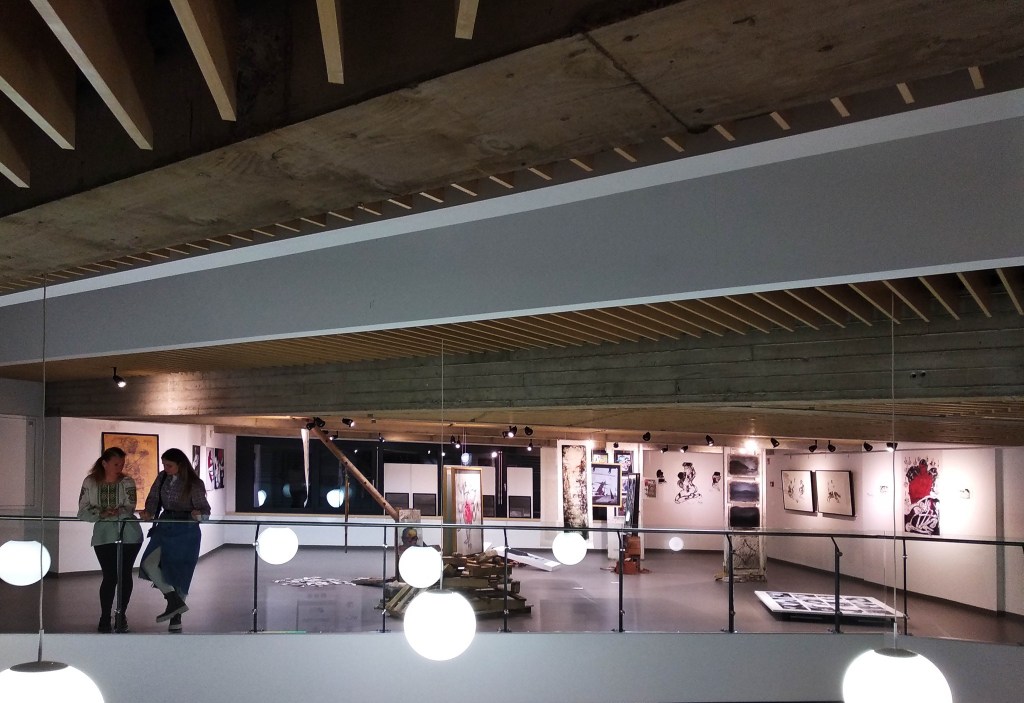
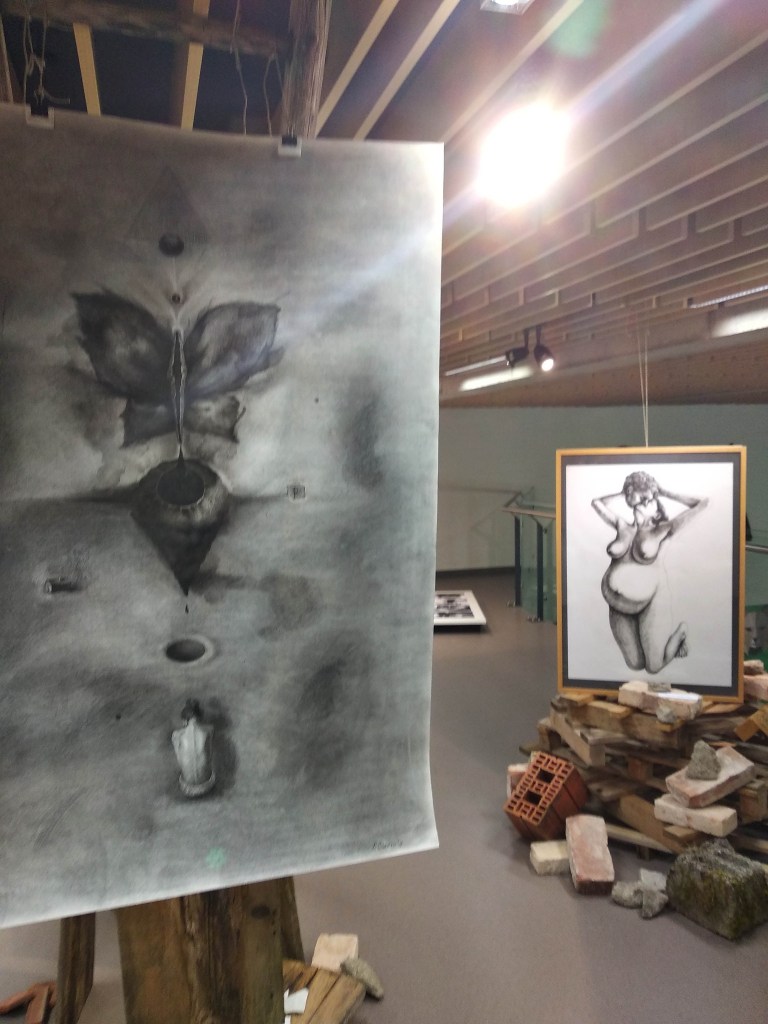
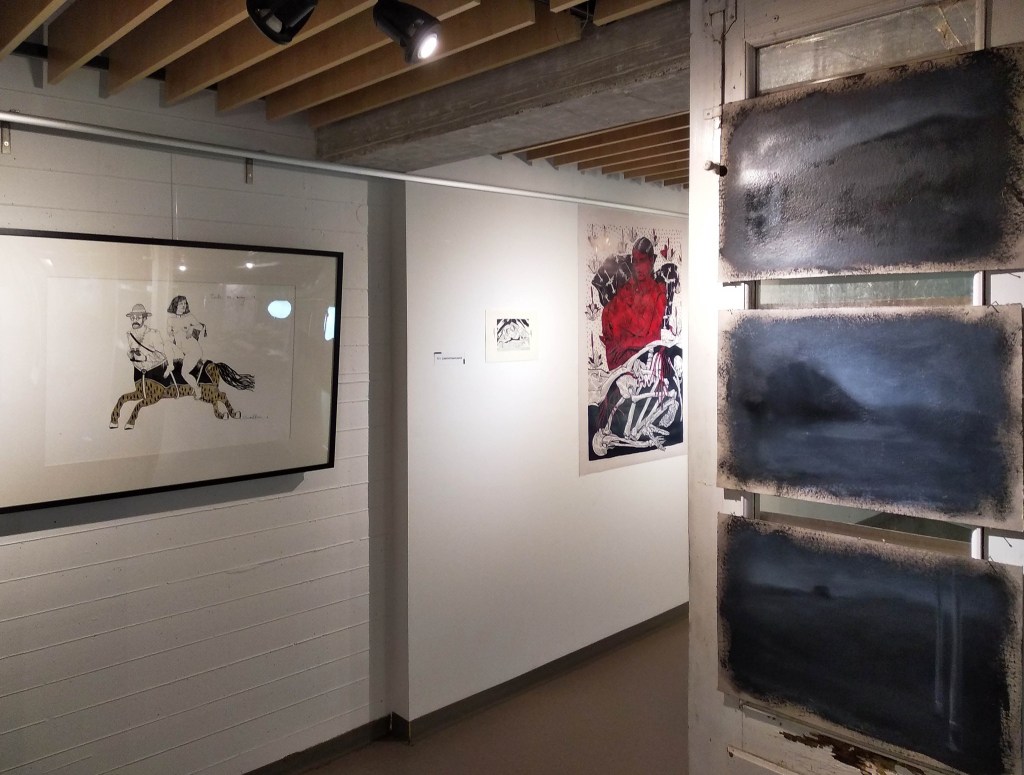
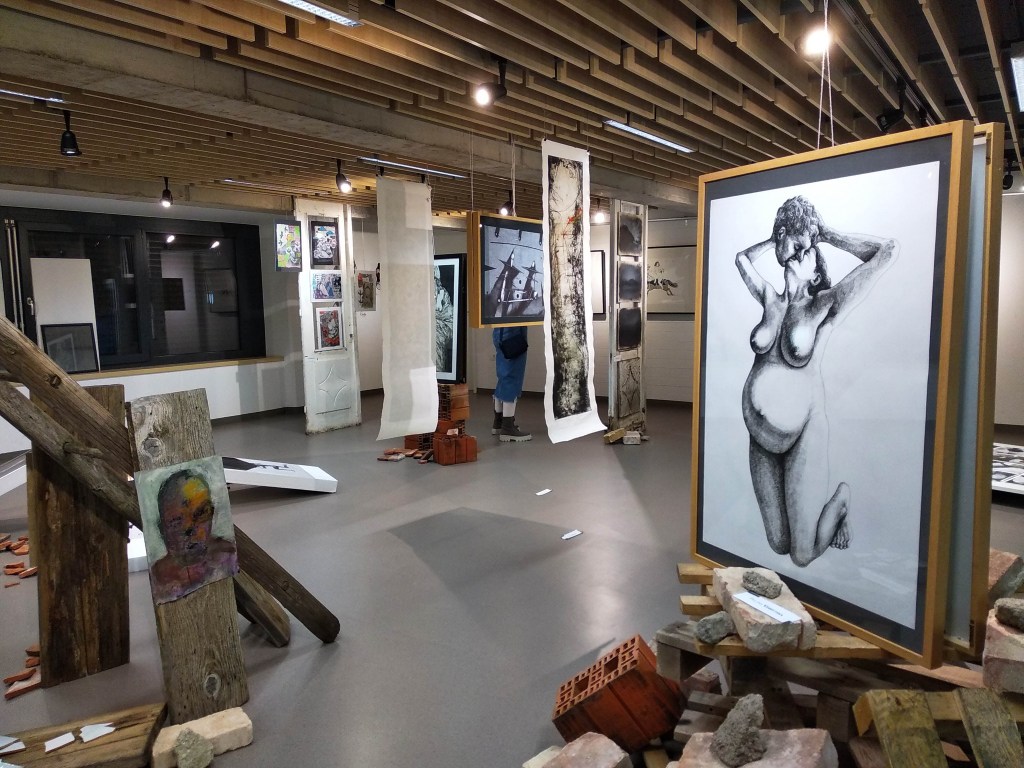
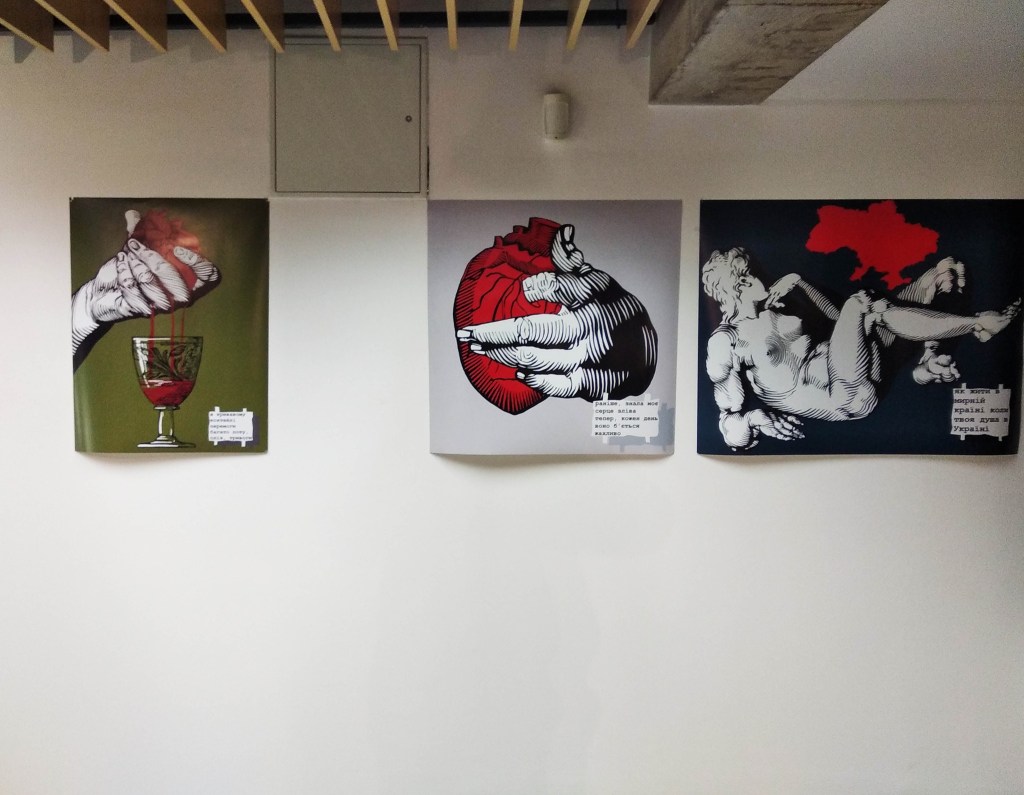
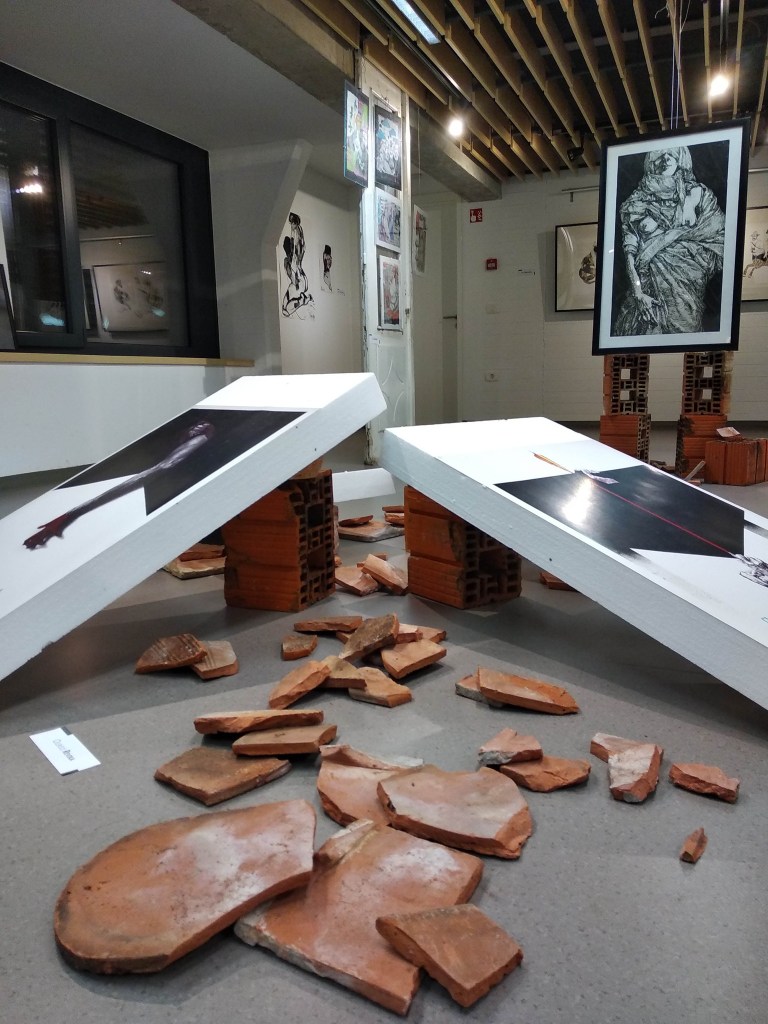
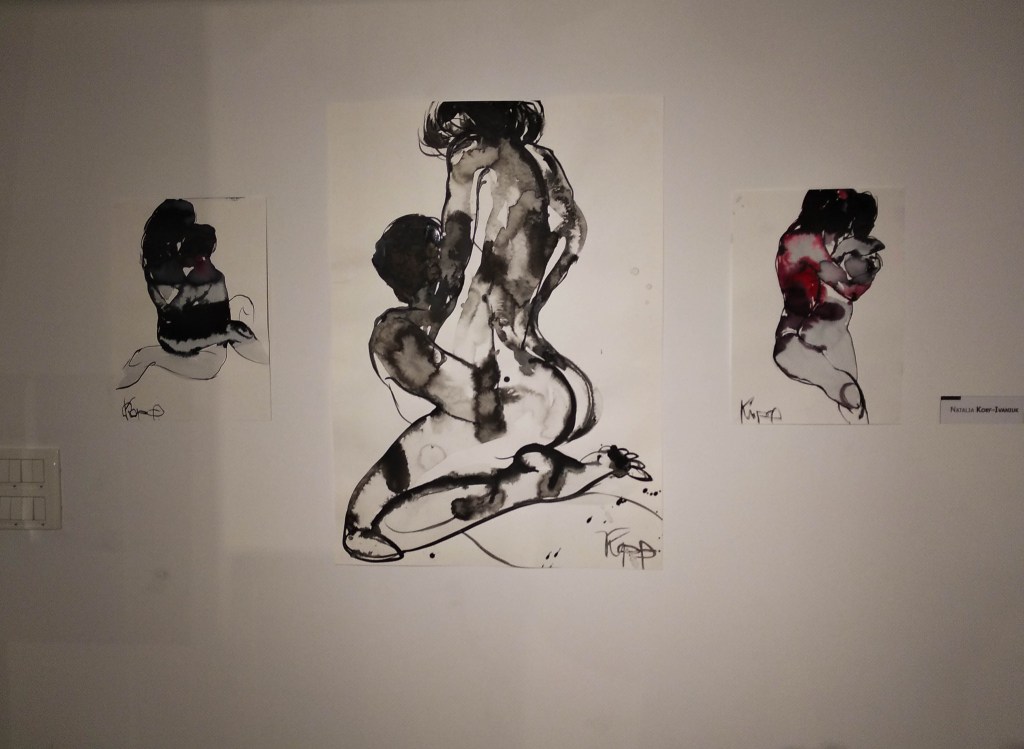
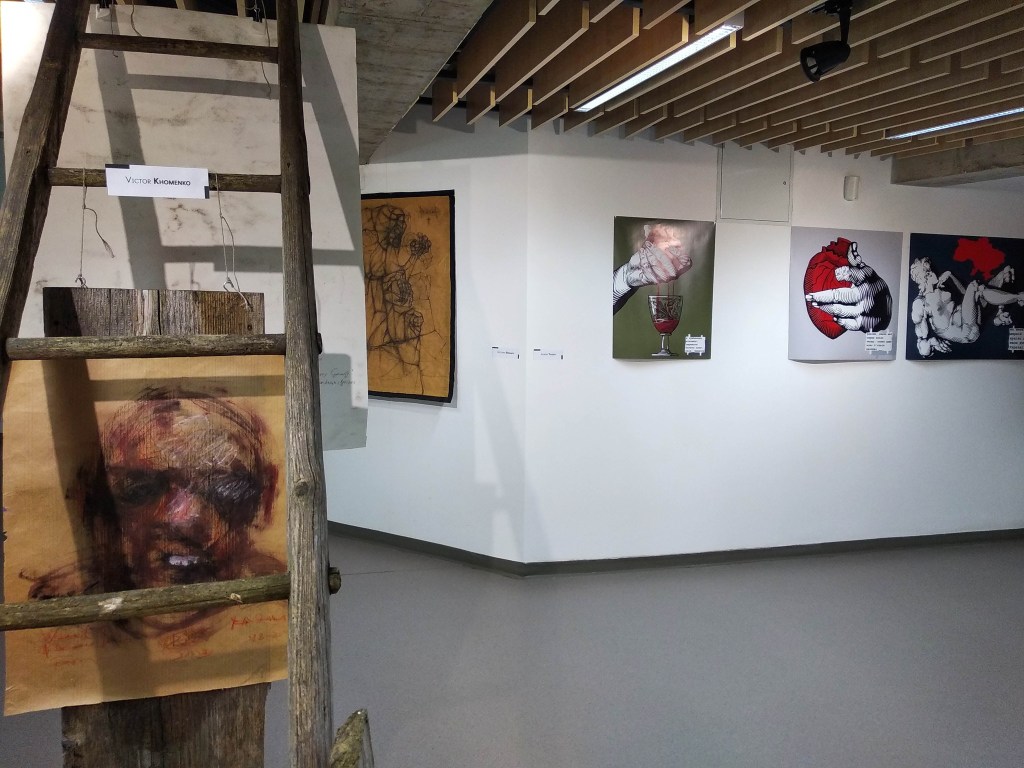
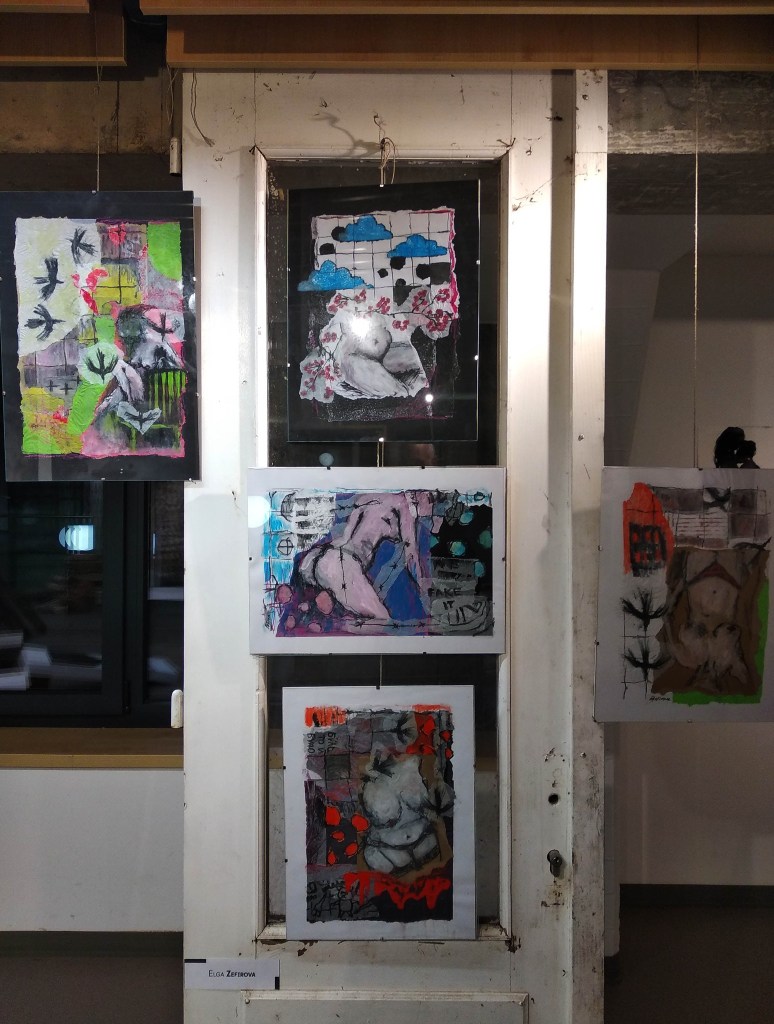
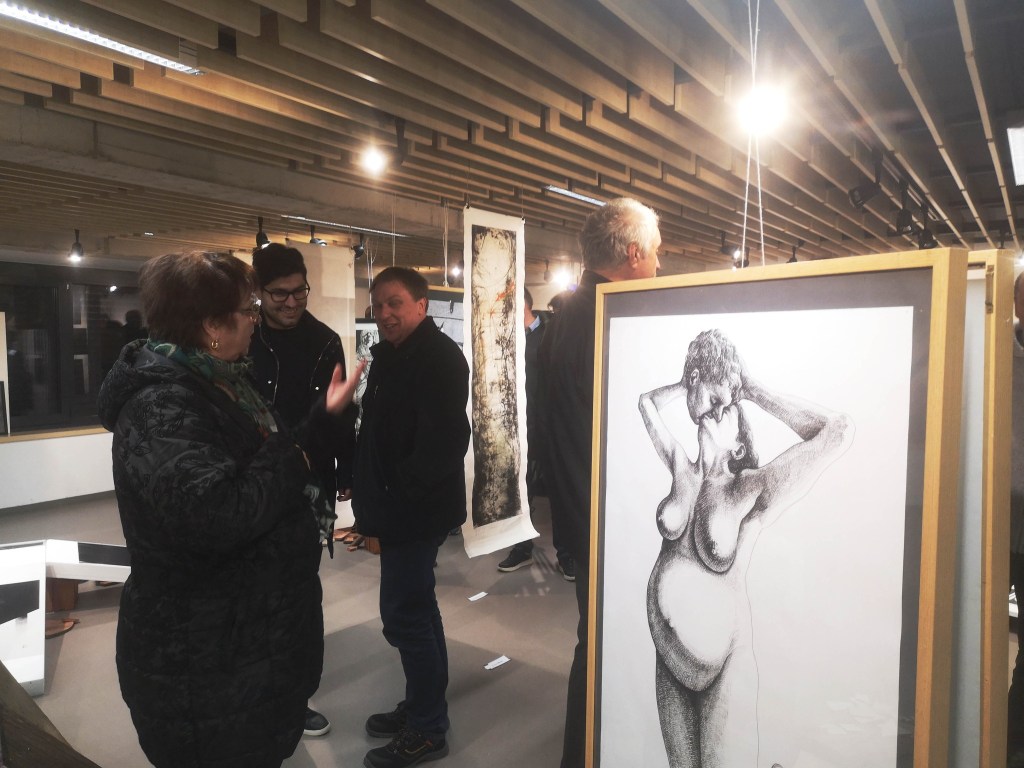
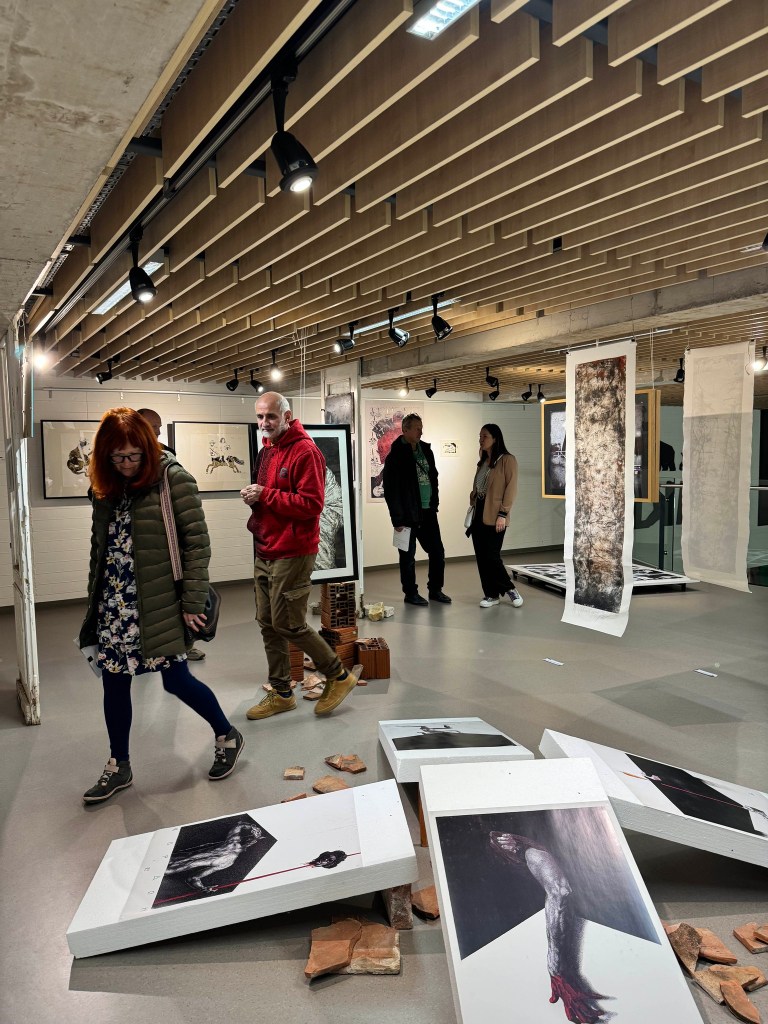
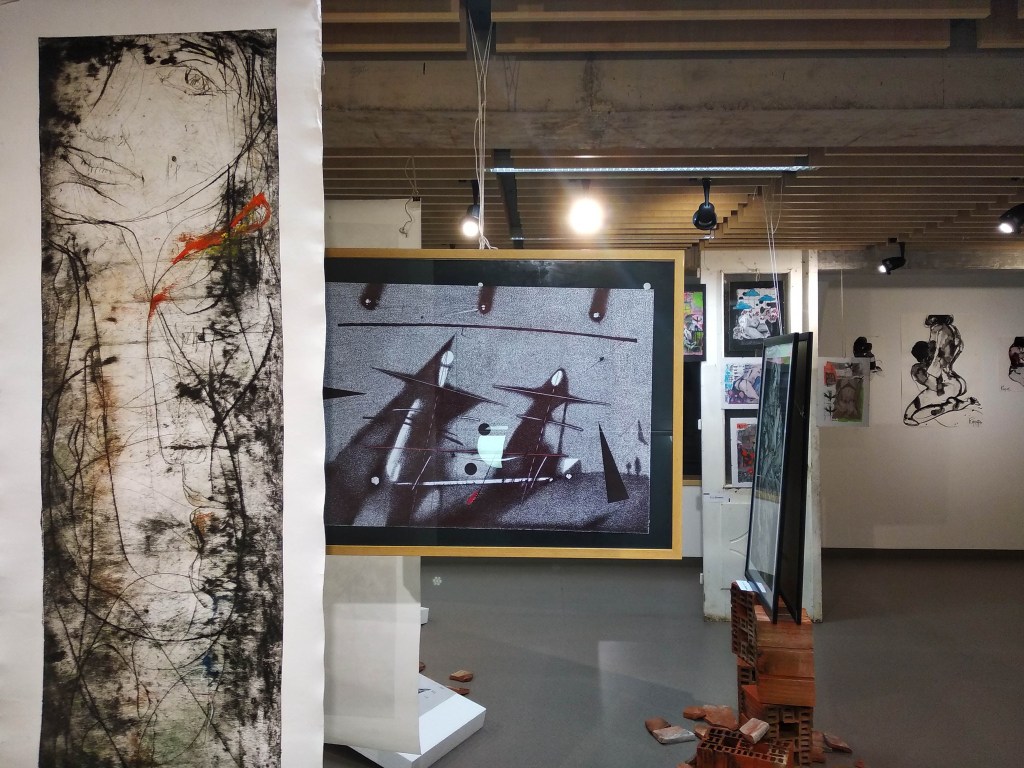
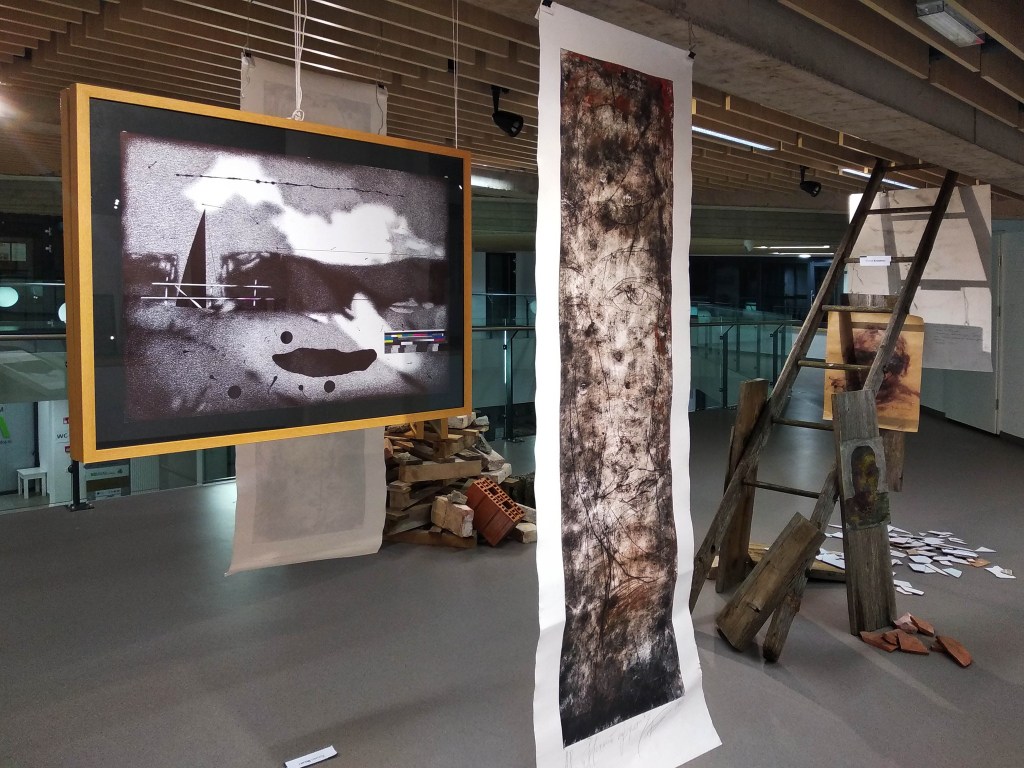
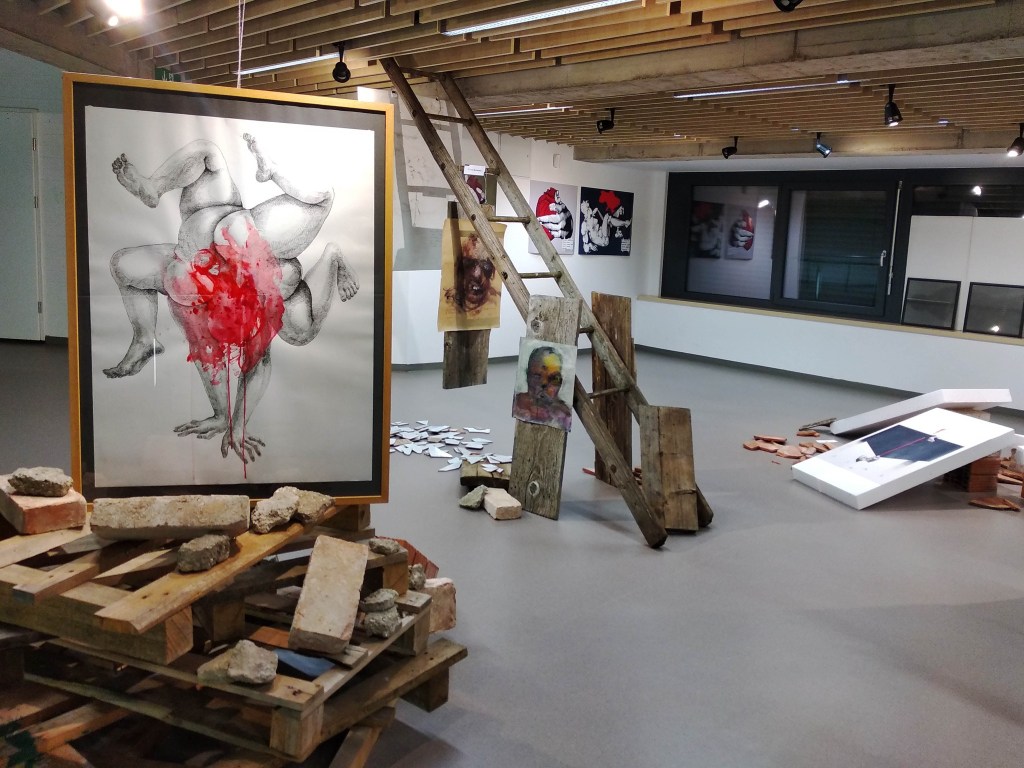
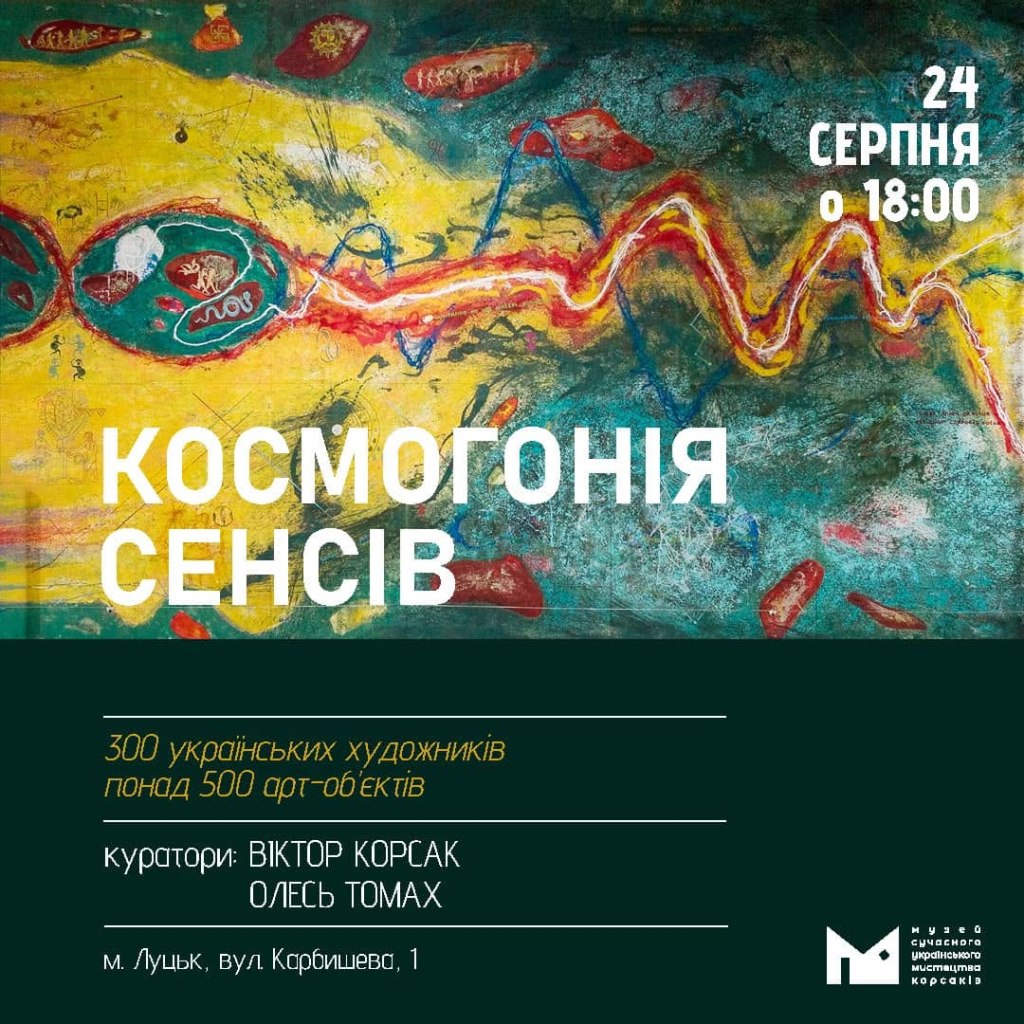
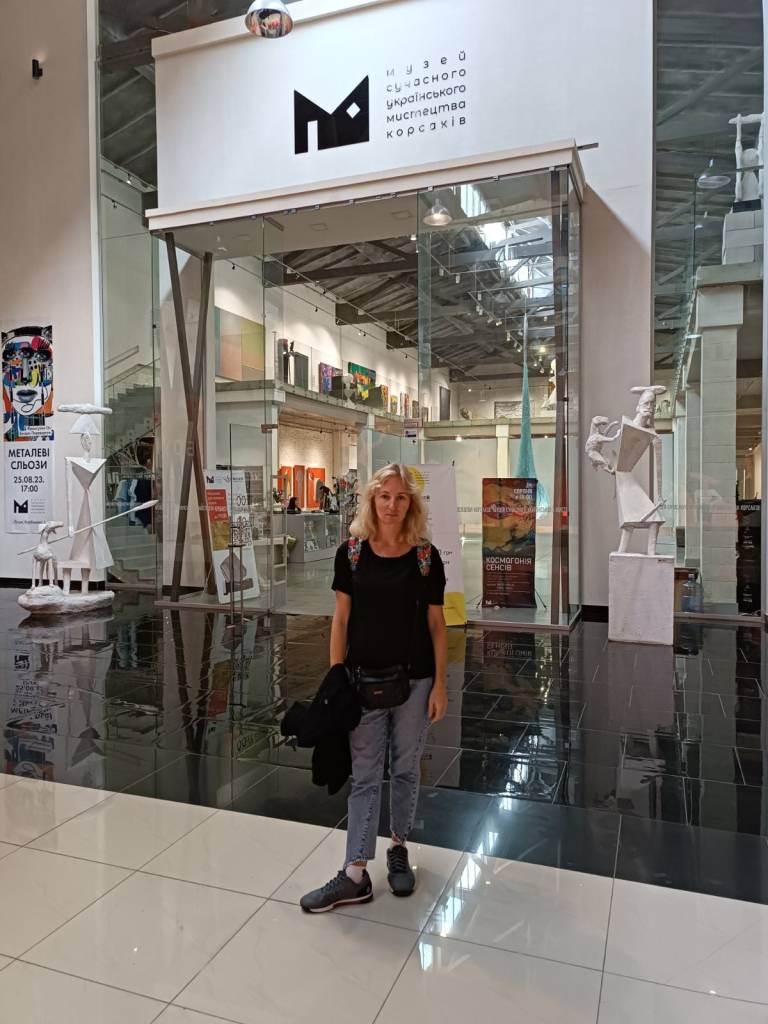
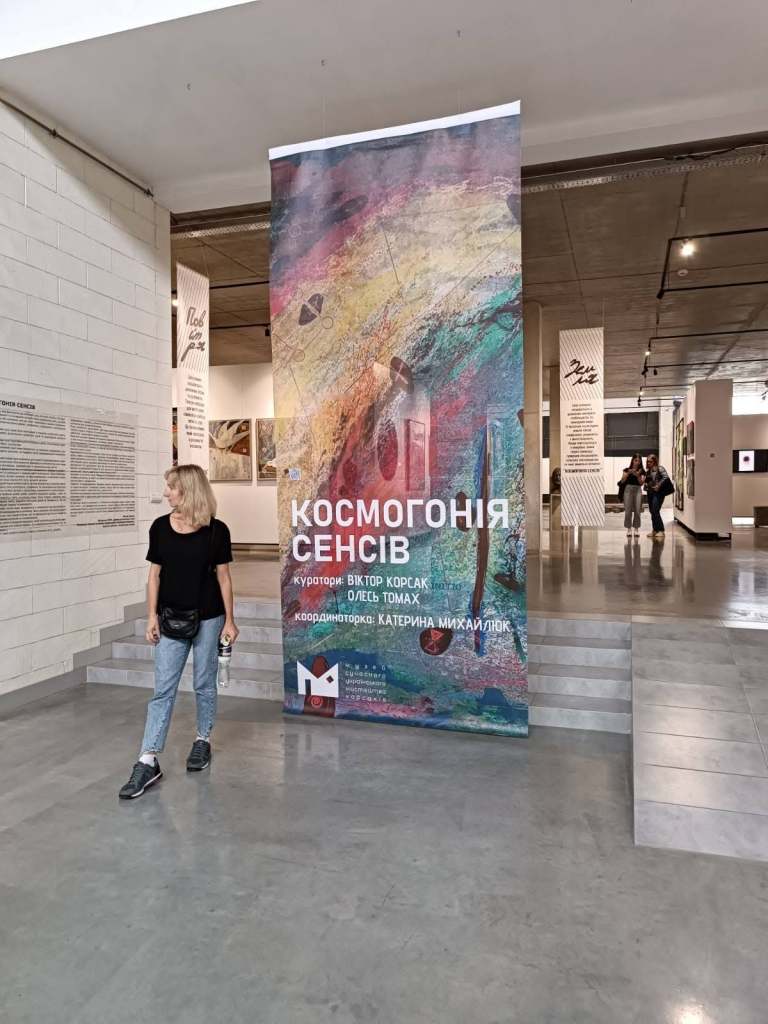
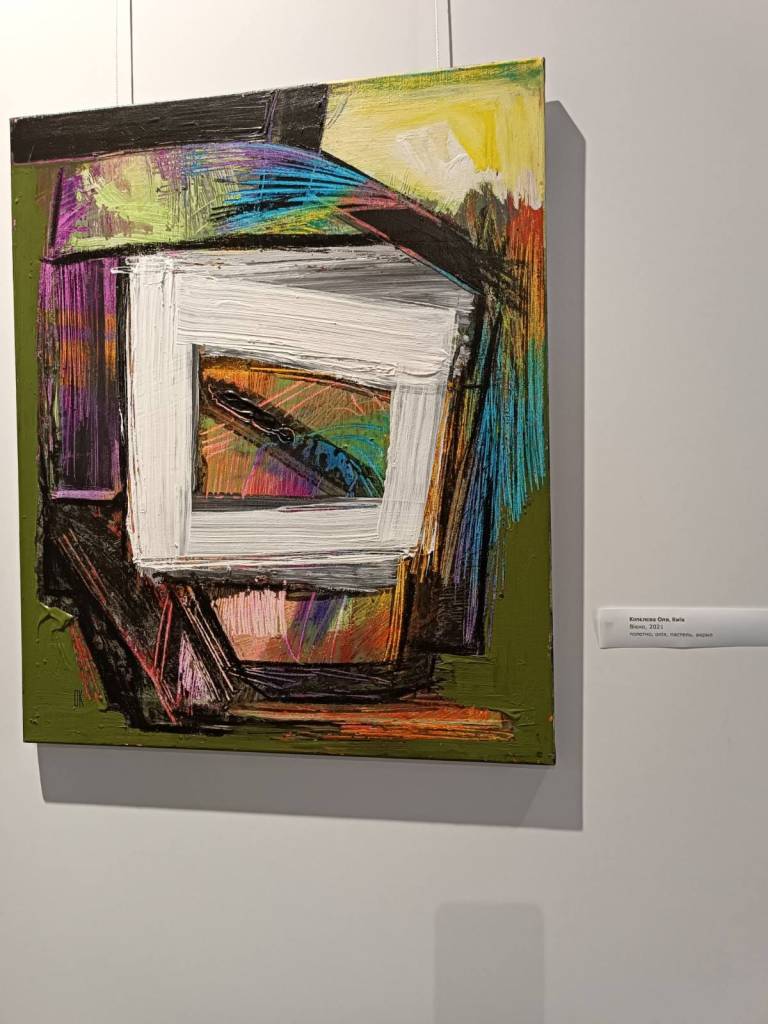
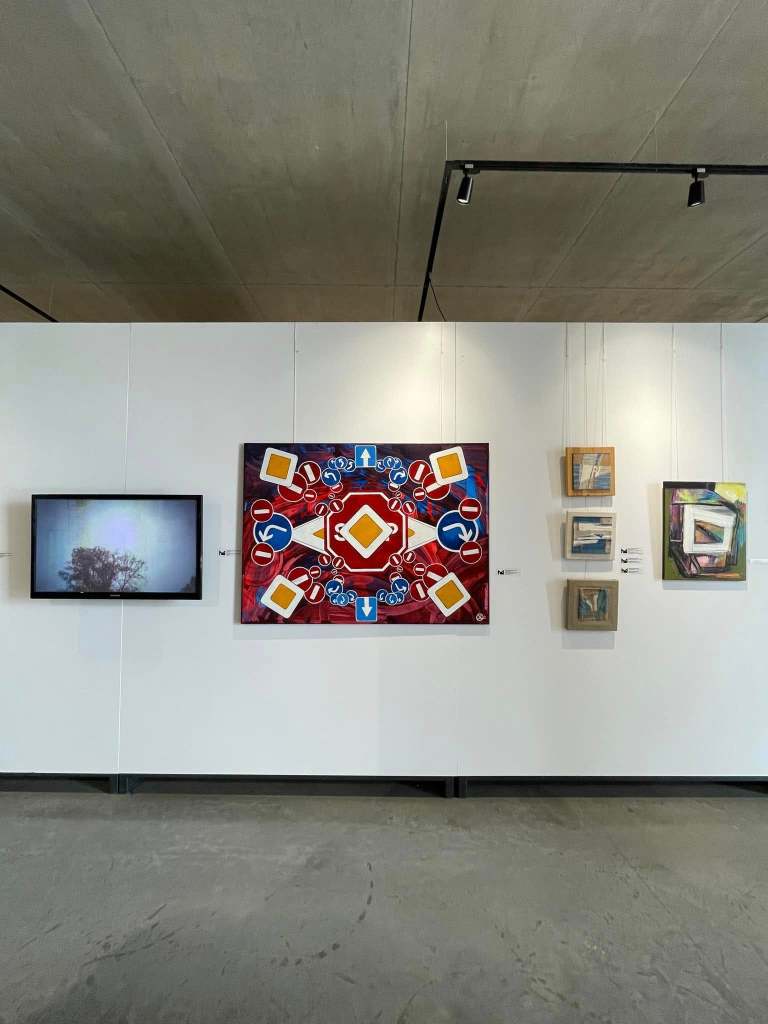
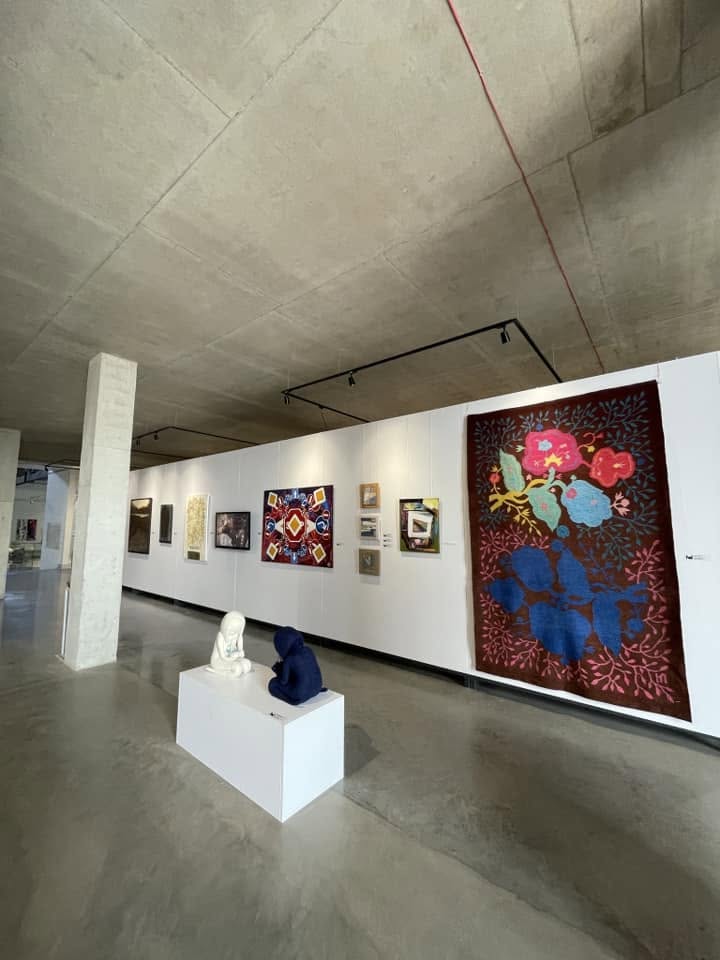
2023, “Cosmogony of Meanings” project, Korsak Museum of Contemporary Art
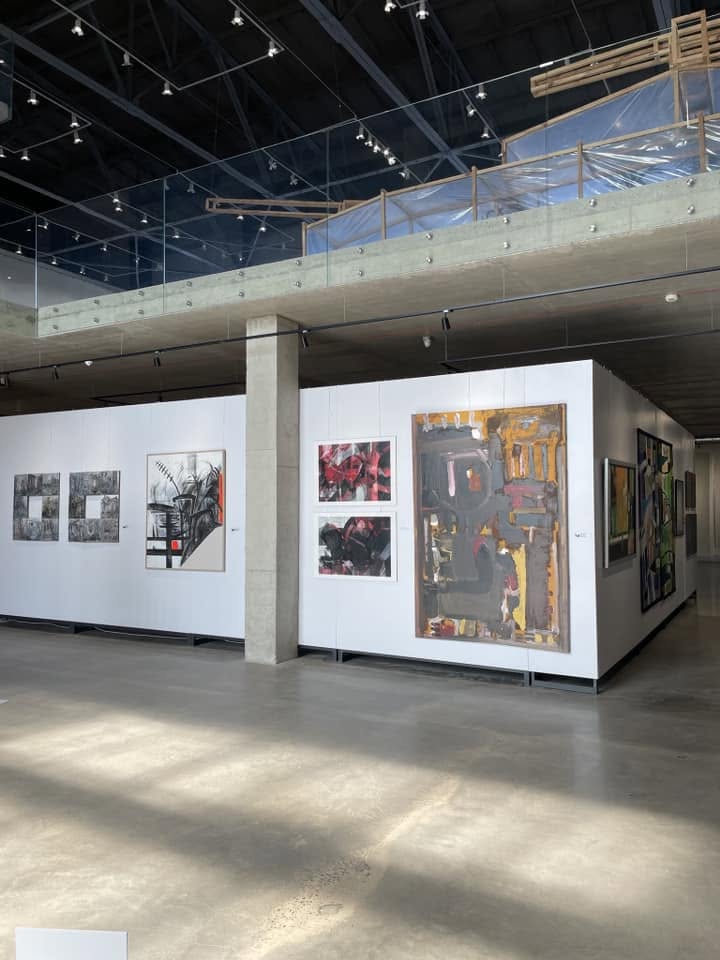
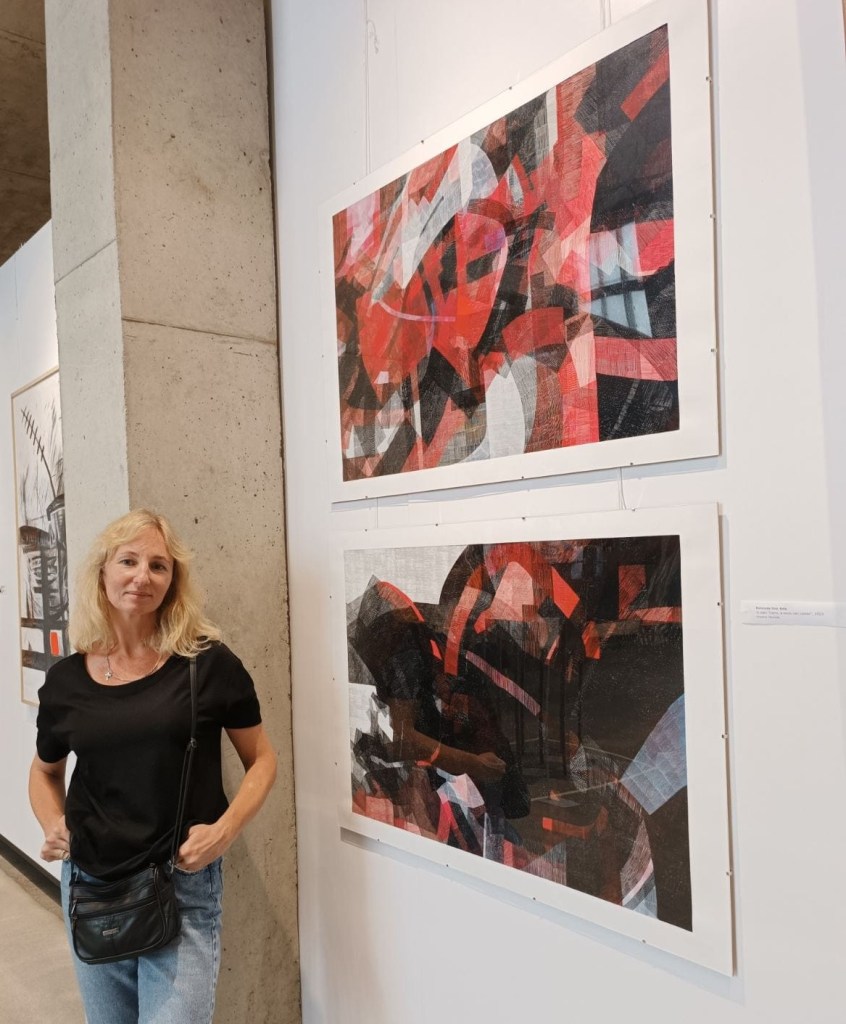
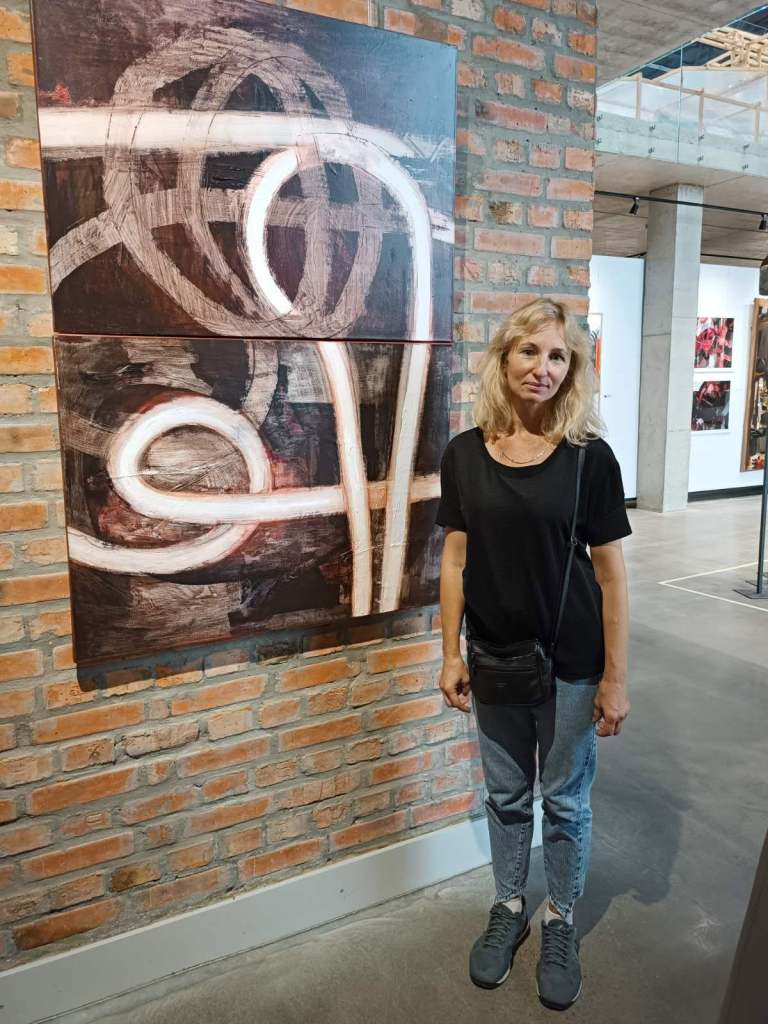
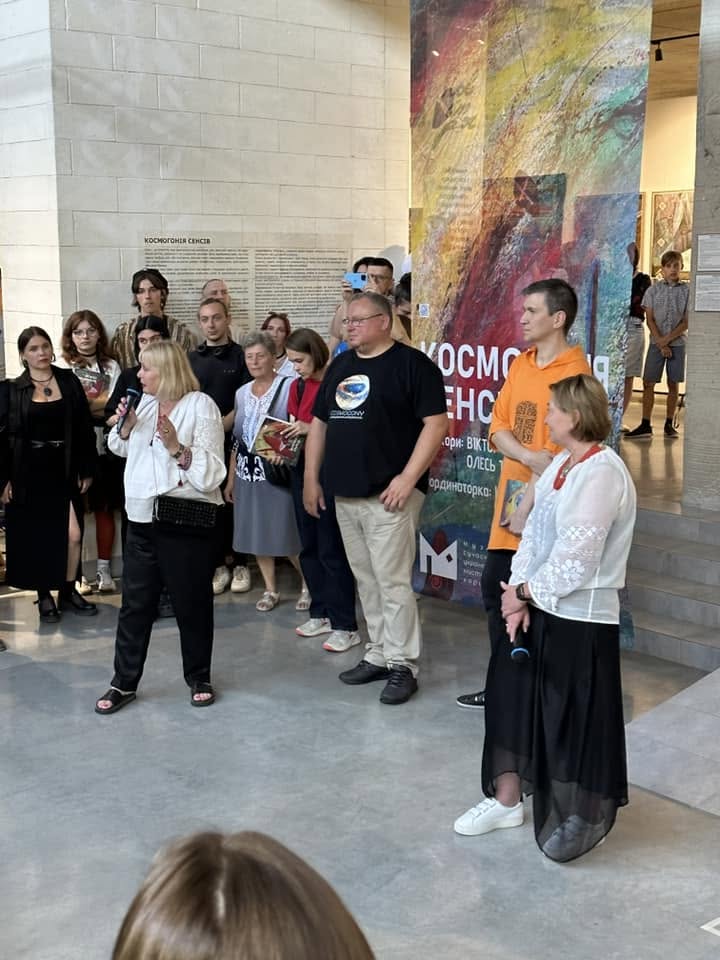
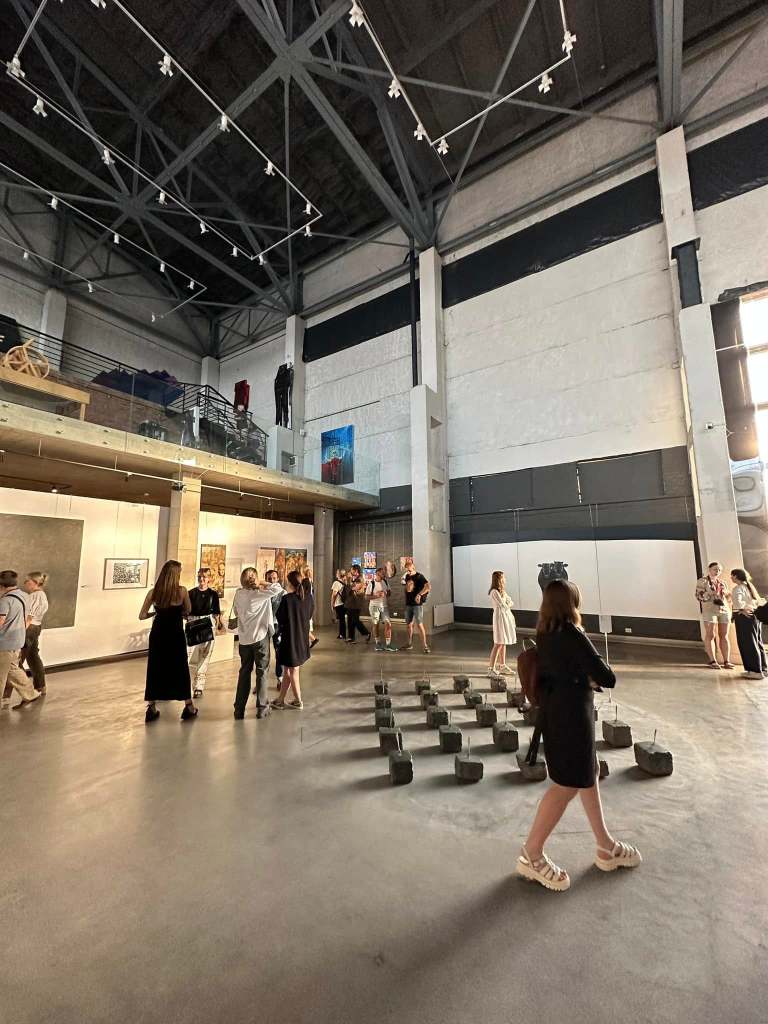
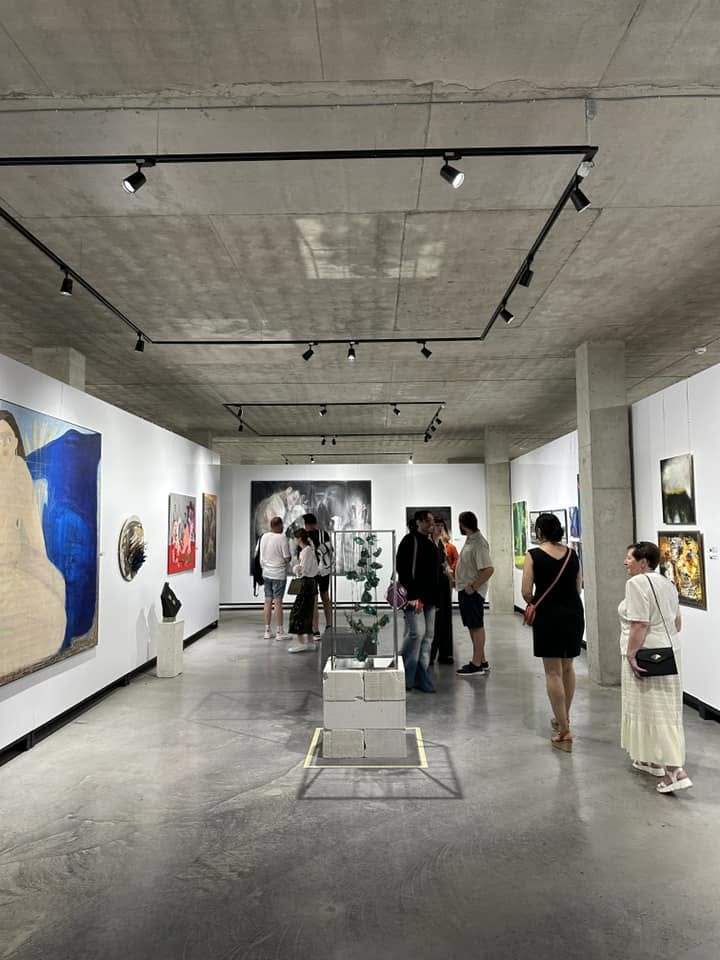
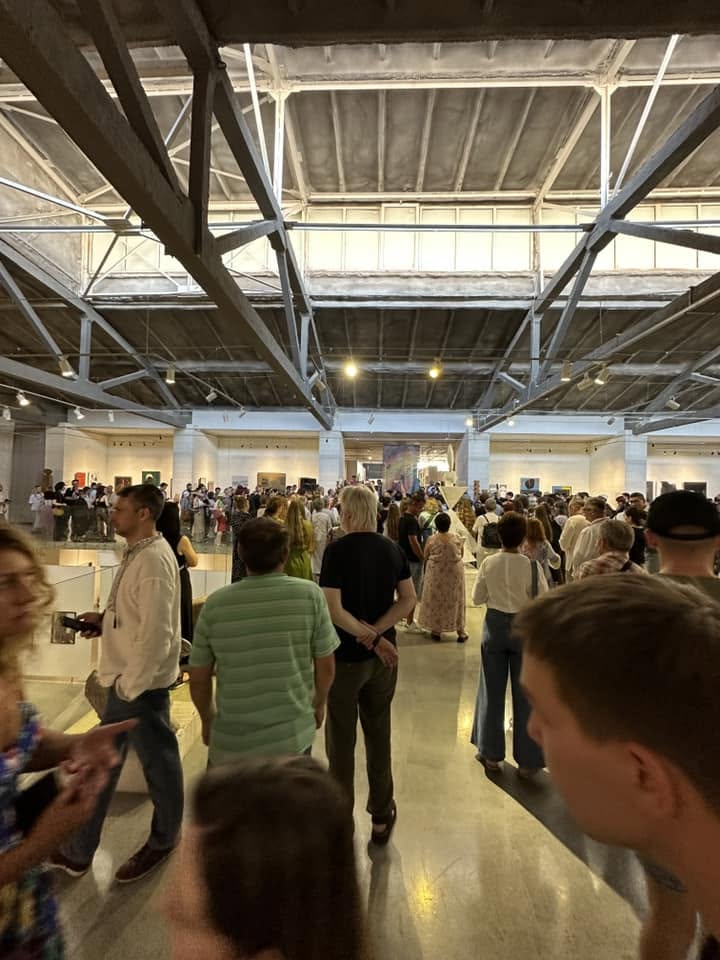
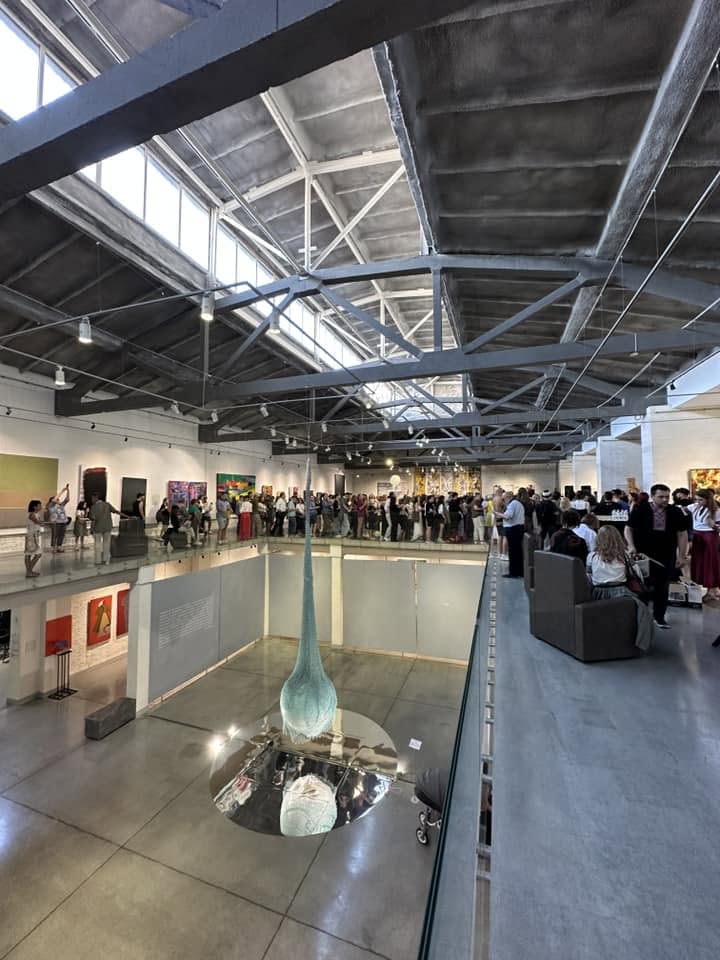
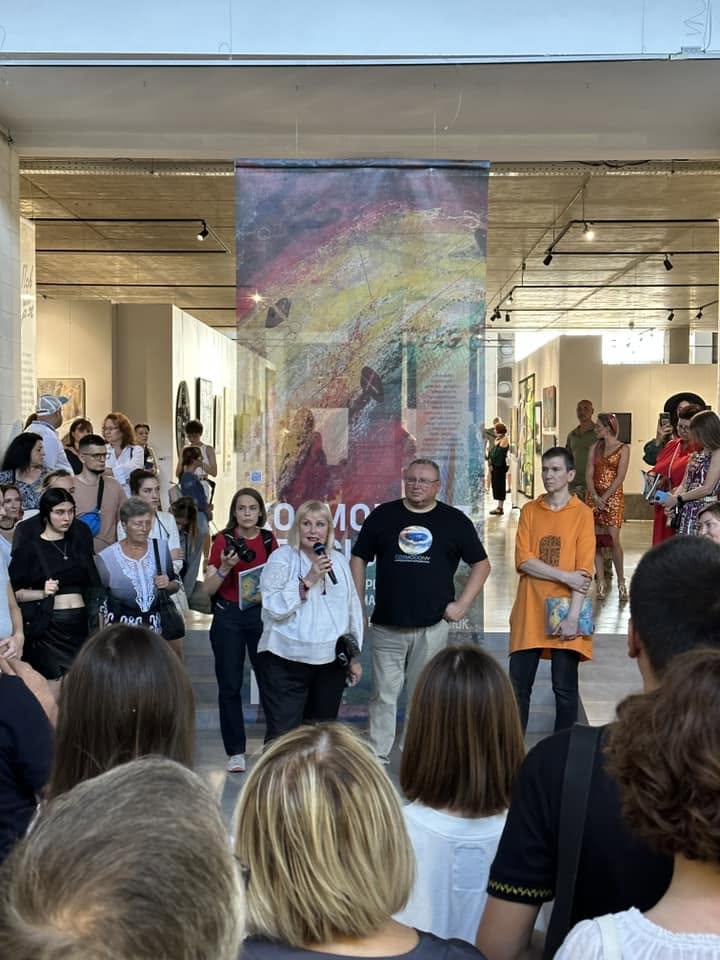
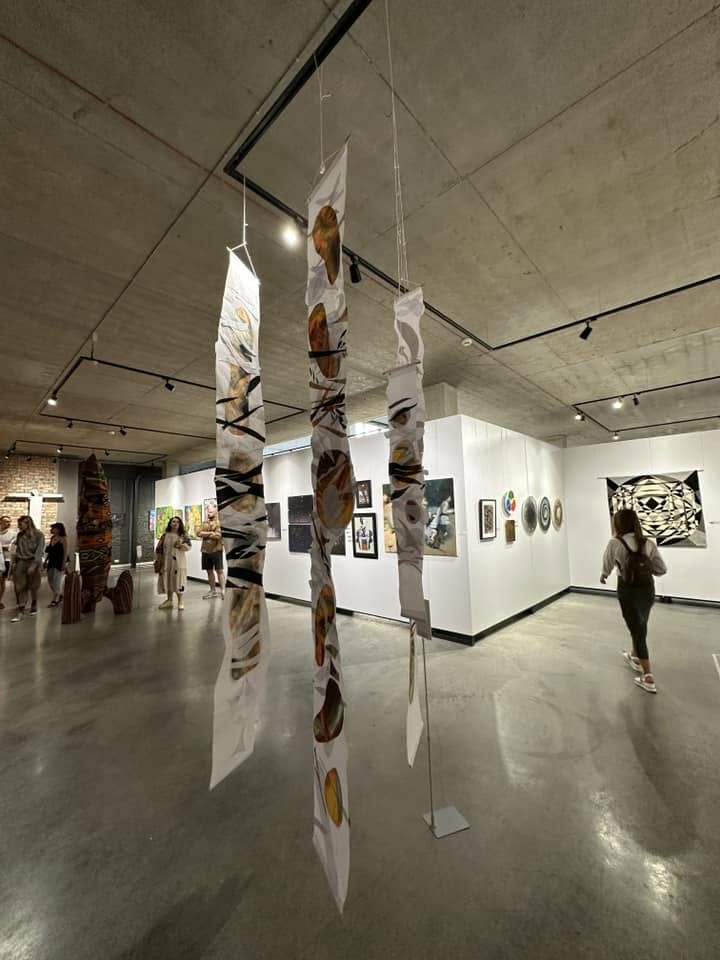
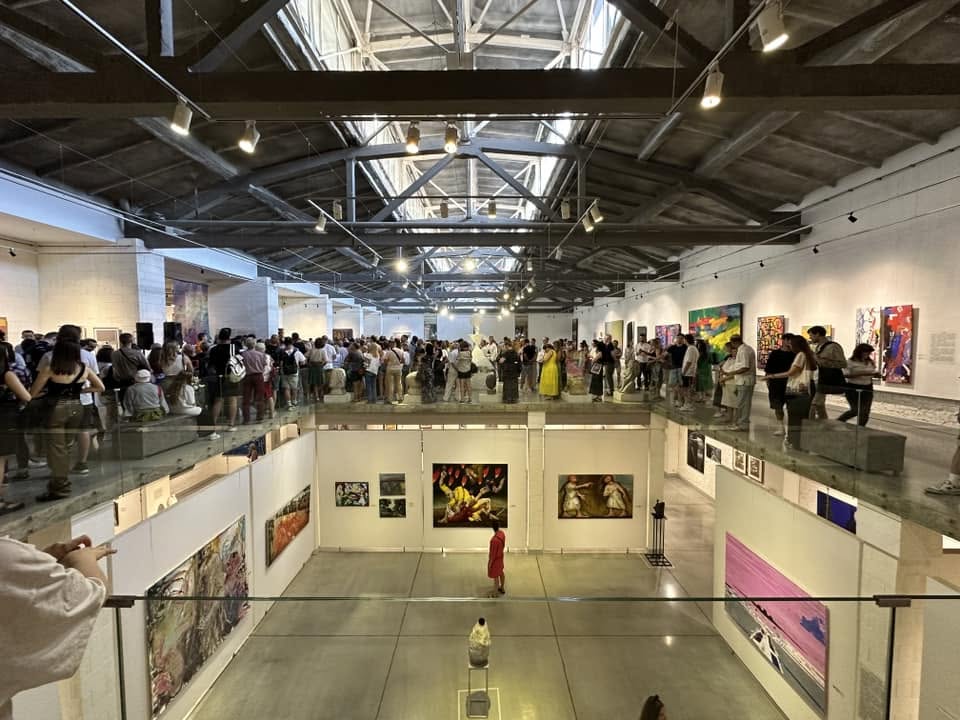
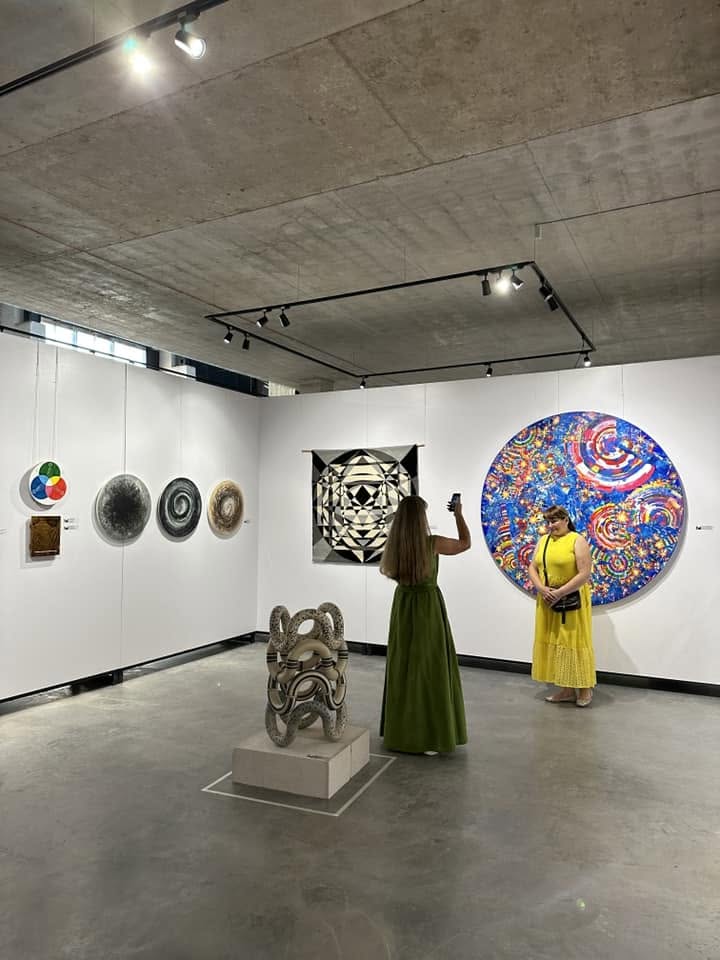
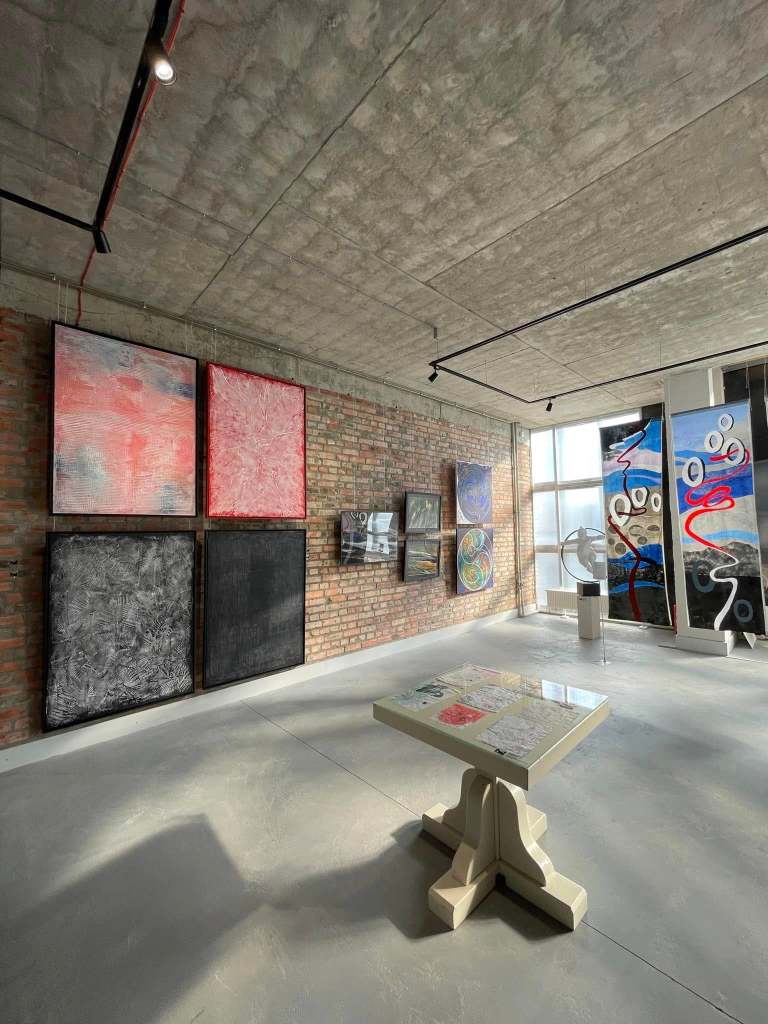
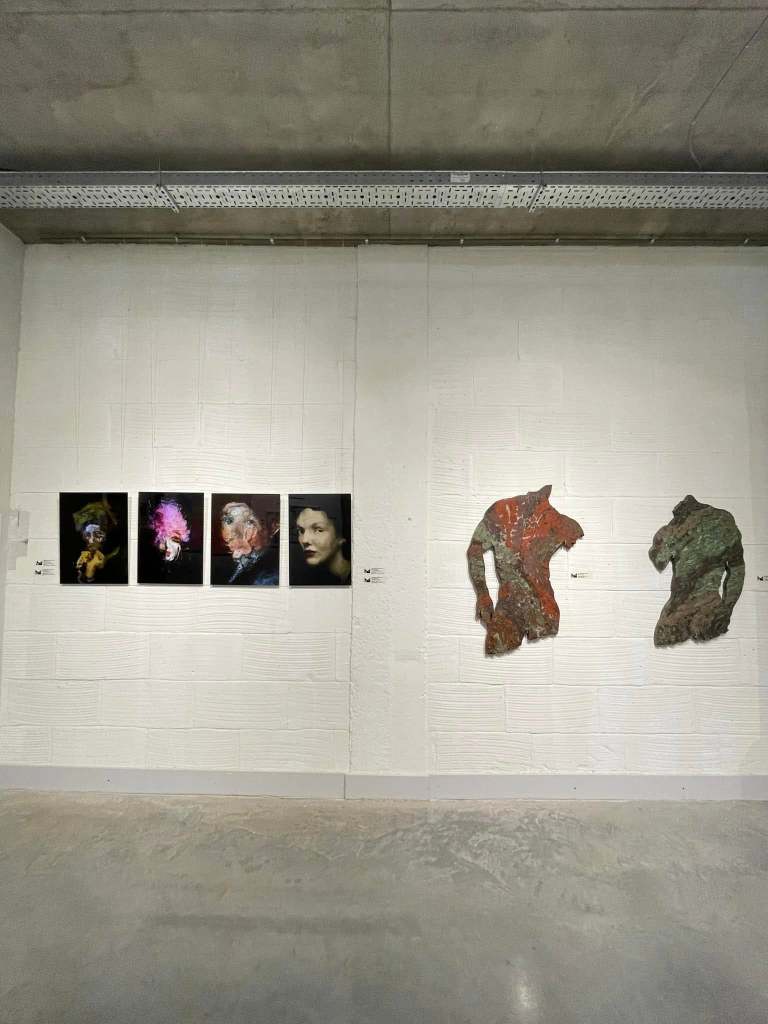
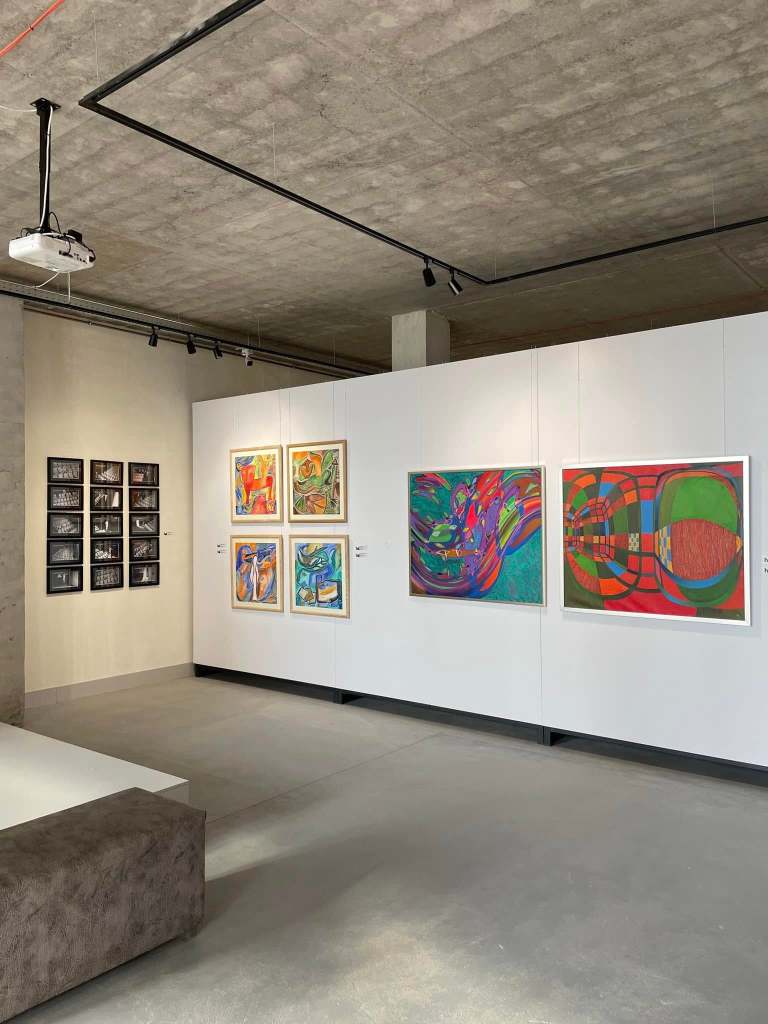
2023 “Male/Female” Project within the international project “Point of View”. Center for Contemporary Art Pivka , Lokarjeva Galerija, Ajdovščina, Slovenia. Curator: Bagrat Arazyan.
Masculine and Feminine… two energies, two forces, two thoughts, two lives. The primary movement of a man is towards a woman, the primary movement of a woman is towards a man. Intertwining and penetrating one another, they transform each other, giving birth to the power to live, to love, to create.
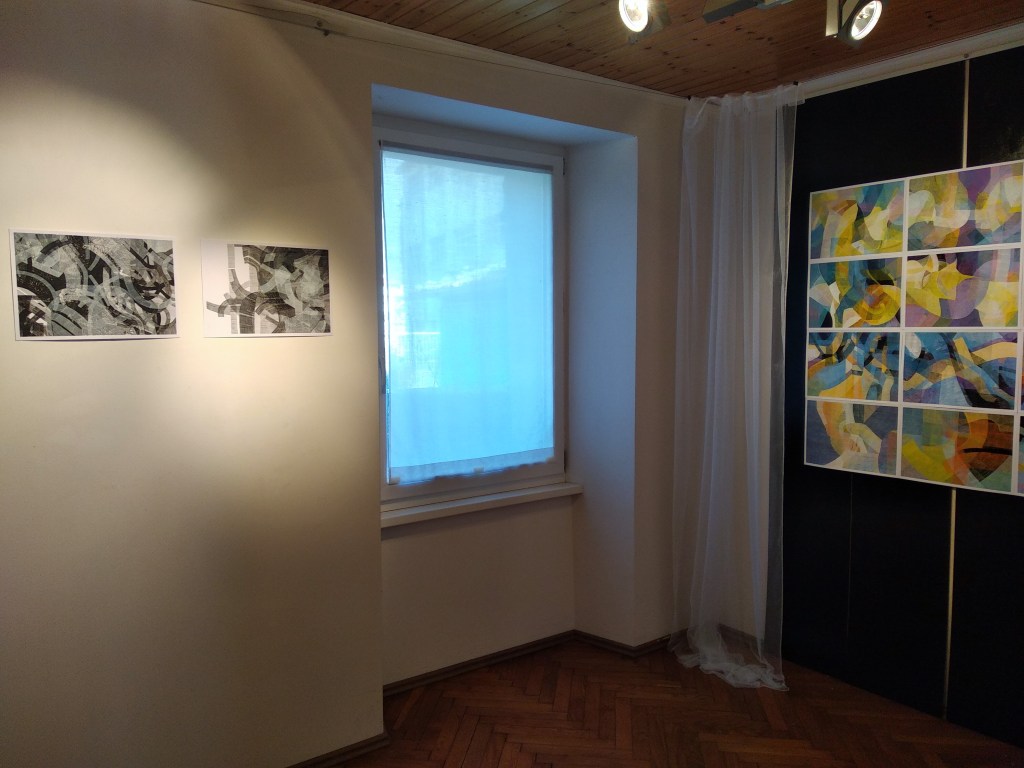
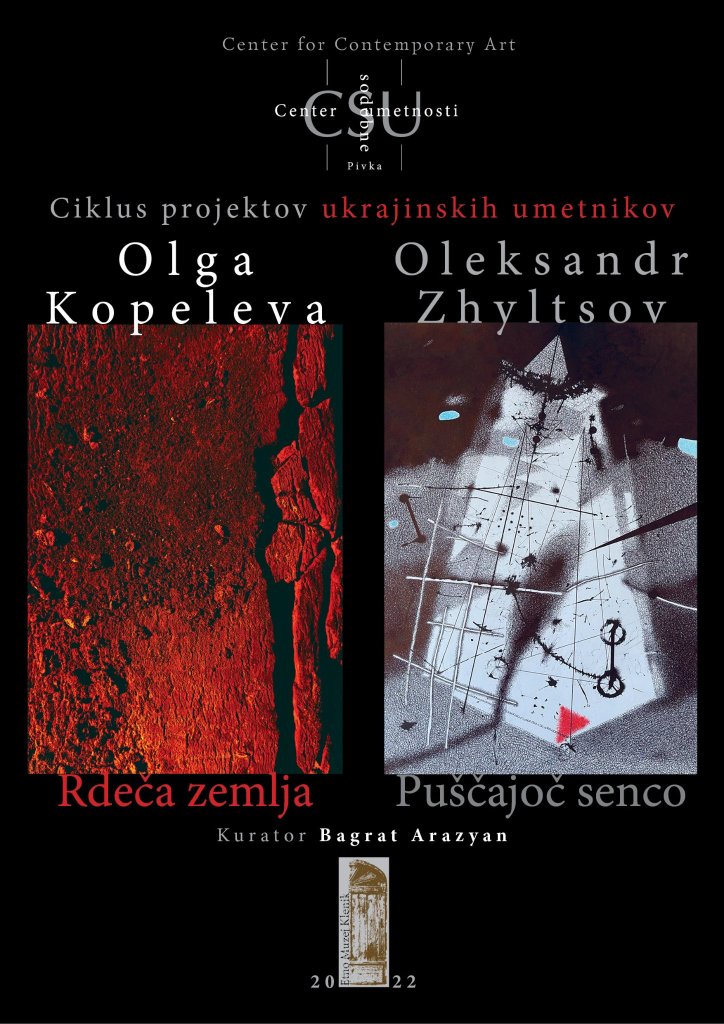
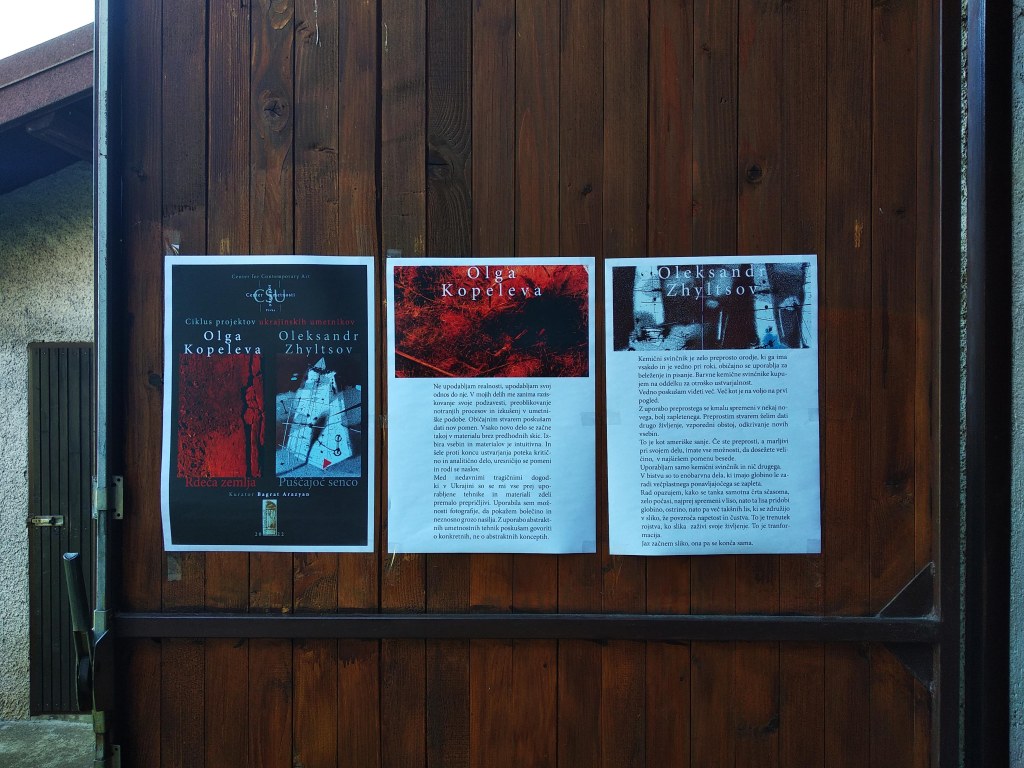
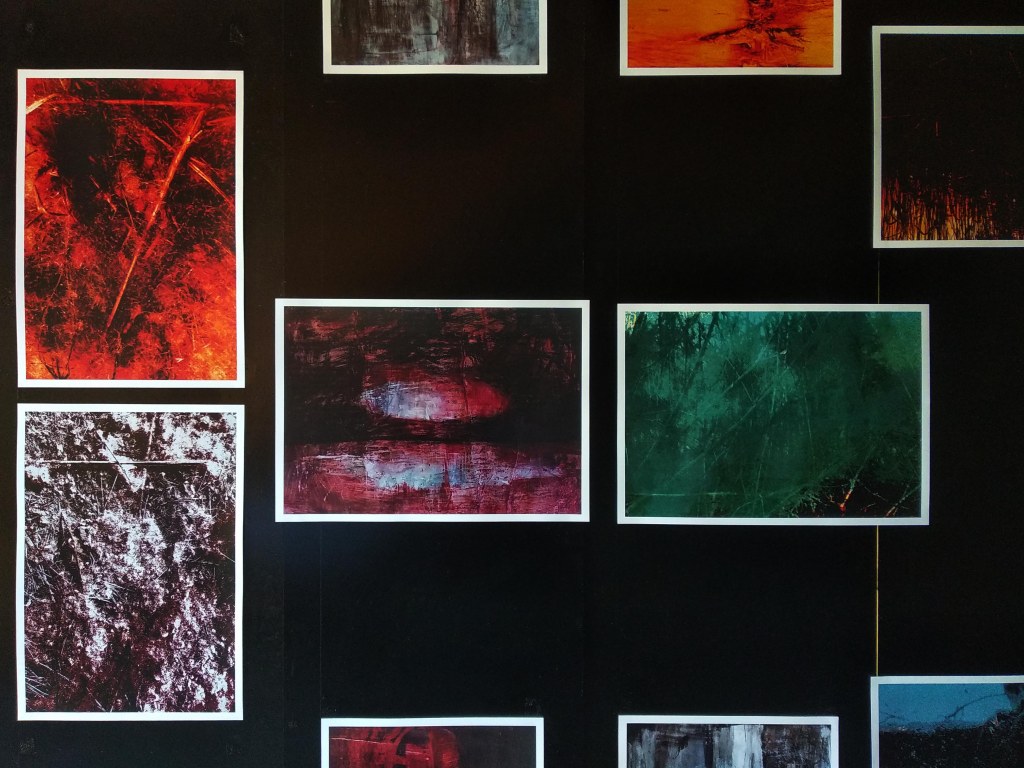
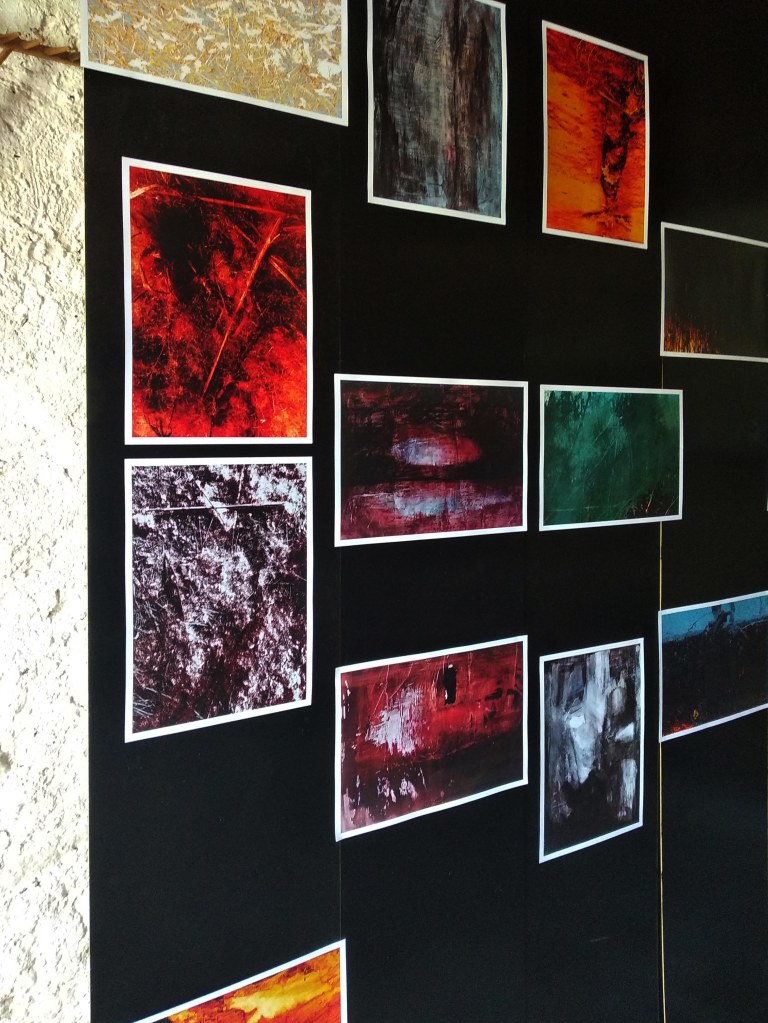
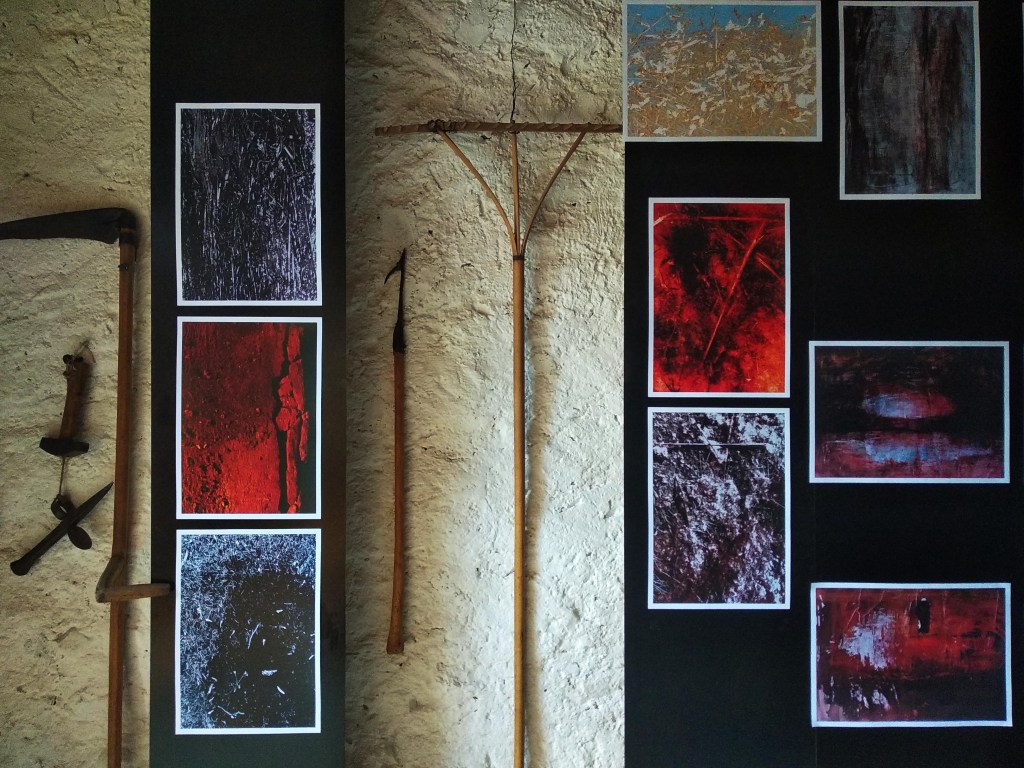
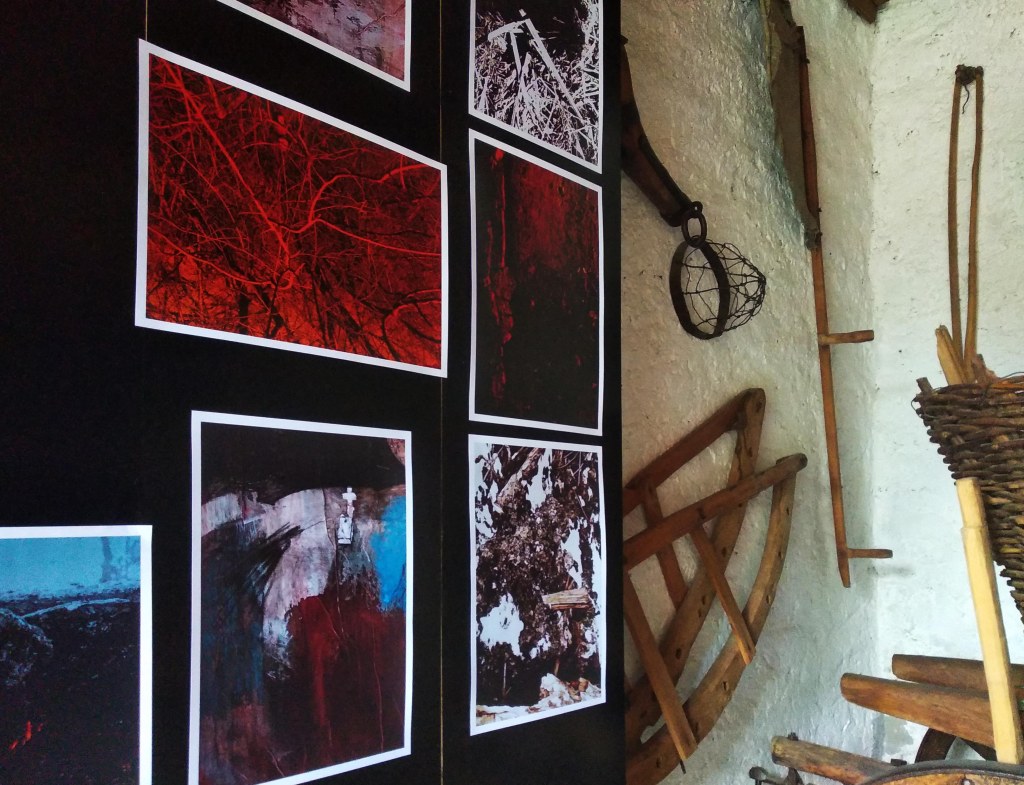
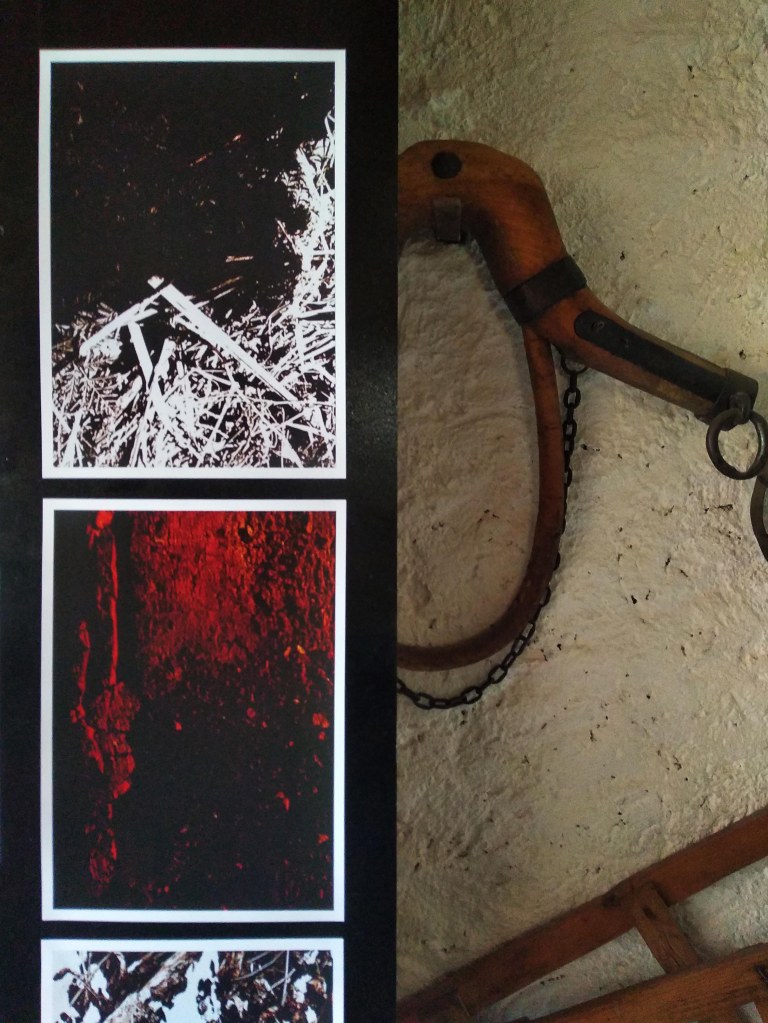
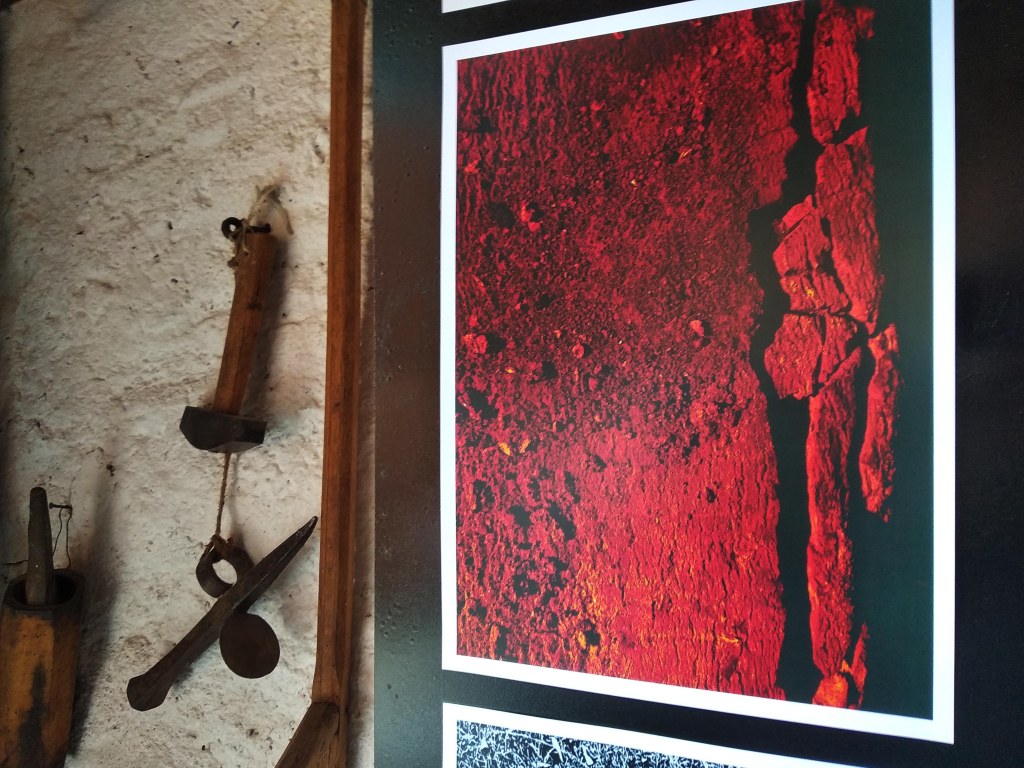
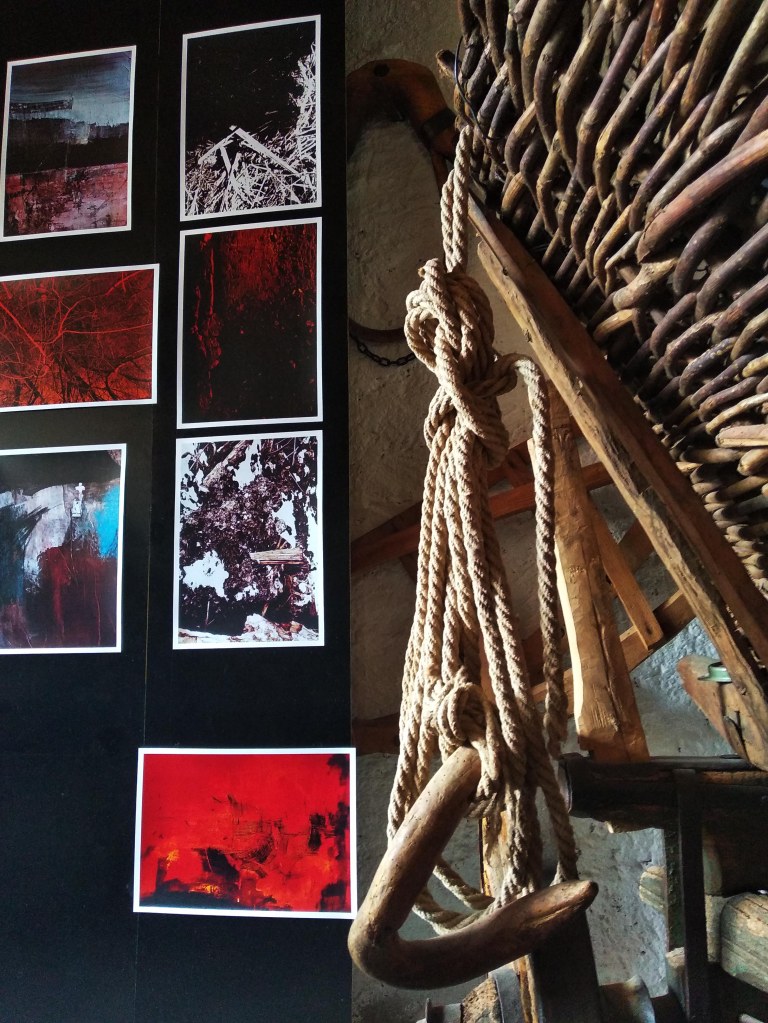
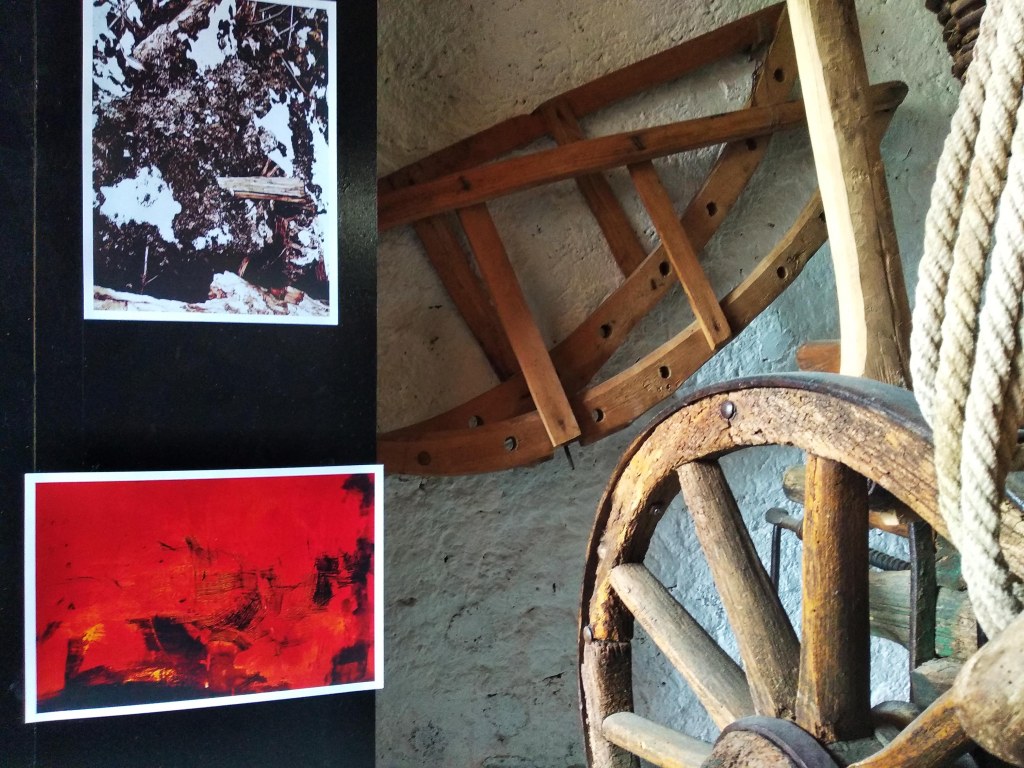
2022, “Red Earth” project, Center for Contemporary Art Pivka, Klenik Ethnographic Museum, Slovenia
Curator Bagrat Arazyan. Artists: Olga Kopeleva, Alexander Zhiltsov.